






The Illusion of Absolute Might: How Asymmetric Warfare is Redefining Global Power Dynamics
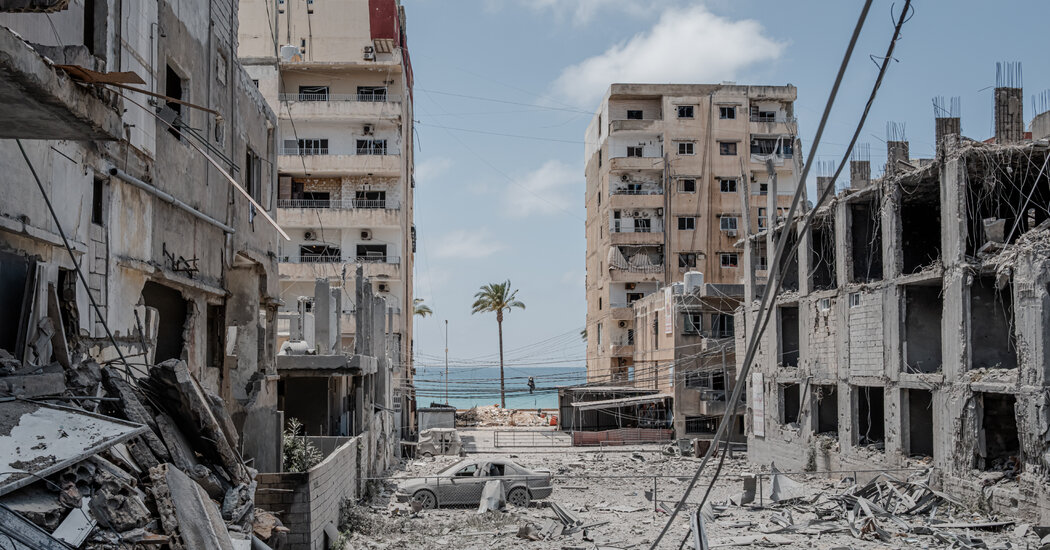
The contemporary international landscape is increasingly defined by a startling paradox: the world’s military behemoths are finding it profoundly difficult to subdue smaller, technically weaker adversaries. For decades, traditional geopolitical doctrine assumed that overwhelming military capability, fueled by massive defense budgets and state-of-the-art weaponry, would guarantee rapid victories over less-equipped state and non-state actors. Yet, from Eastern Europe to the Persian Gulf, this theory is collapsing under the weight of a highly fragmented, asymmetrical reality. Consider Russia’s ongoing invasion of Ukraine, a conflict that the Kremlin erroneously projected would conclude with the fall of Kyiv in a mere forty-eight hours, but has instead dragged into a multi-year war of attrition. Similarly, during his first term, U.S. President Donald Trump wagered heavily on a “maximum pressure” campaign designed to instigate a Venezuela-style regime change in Iran, only to find the Islamic Republic’s regional influence and defiance stubbornly intact. Today, a parallel dynamic is unfolding in the Levant, where Israel’s extensive military campaign in Lebanon—intended to dismantle the Iranian-backed militia Hezbollah once and for all—is instead revealing the stark limits of conventional military superiority. Rather than delivering a decisive, paralyzing blow to the Shiite militant group, Israel’s operations have met a wall of sophisticated, low-cost resistance, demonstrating that the age of unchecked military hegemony is yielding to a decentralized era where cheap, accessible technologies can successfully challenge the world’s most advanced armies.
The Lost Window: How Geopolitical Escalation Sabotaged Lebanon’s Bid for Sovereignty
HEZBOLLAH DISARMAMENT TIMELINE (2024-2025)
┌───────────────────────────┐ ┌───────────────────────────┐ ┌───────────────────────────┐
│ Late 2024: Truce Talks │ ───> │ Early 2025: New Leaders │ ───> │ August: Military Blueprint│
│ Hezbollah weakened by │ │ President & PM prioritize│ │ Lebanese Armed Forces │
│ pager attacks & strikes │ │ sovereignty & disarmament│ │ plan to dismantle arms │
└───────────────────────────┘ └───────────────────────────┘ └───────────────────────────┘
│
┌─────────────────────────────────────────────┘
▼
┌─────────────────────────────┐
│ Late 2025: War Derails │
│ Israel-Iran confrontation │
│ closes political window │
└─────────────────────────────┘
For a brief, tantalizing moment in late 2024 and early 2025, there existed a genuine political opening to achieve what decades of diplomacy and conflict had failed to do: the voluntary disarmament of Hezbollah. The Lebanese state, long overshadowed by the heavily armed group operating as a virtual state-within-a-state, found itself in an unprecedented position of leverage following a series of devastating Israeli intelligence operations. These operations, which included the targeted assassination of Hezbollah’s iconic leader Hassan Nasrallah, the high-tech sabotage of thousands of members’ communication devices, and the systematic destruction of major southern supply lines, left the militant group severely disoriented and politically vulnerable. Seizing on this weakness, a newly installed Lebanese president and prime minister took office in early 2025 with an explicit mandate to reclaim state sovereignty, leading the Lebanese military to draft an official, phased blueprint to dismantle Hezbollah’s independent arsenal. Western and Middle Eastern diplomats watched with cautious optimism as the stars aligned for a potential grand bargain: a lasting cease-fire with Israel in exchange for the gradual integration of Hezbollah’s fighters into the national army. However, this delicate domestic diplomatic track was abruptly shattered when regional tensions boiled over, culminating in direct, overt military confrontations between Israel, the United States, and Iran. As the broader regional proxy war intensified, Hezbollah’s survival instincts kicked back into overdrive, prompting the group to abandon domestic compromise, resume rocket barrages in solidarity with Tehran, and slam shut a historic window for Lebanese political reform.
The Swarm of Southern Lebanon: How Low-Cost Drones Leveled the Playing Field
ASSET RATIO & TACTICAL IMPACT
┌───────────────────────────────────────────┬───────────────────────────────────────────┐
│ CONVENTIONAL HIGH-VALUE TARGETS │ LOW-COST ASYMMETRICAL DRONES │
├───────────────────────────────────────────┼───────────────────────────────────────────┤
│ • Multi-million dollar Merkava Tanks │ • $500 Commercial FPV Drones │
│ • Static military command outposts │ • High-definition scouting cameras │
│ • Geolocated elite infantry units │ • Dispersed, mobile launch operators │
├───────────────────────────────────────────┼───────────────────────────────────────────┤
│ Vulnerable to overhead, low-altitude │ Evades traditional air defense grids │
│ precision strikes. │ (Iron Dome, radar tracking). │
└───────────────────────────────────────────┴───────────────────────────────────────────┘
When Israeli defense planners calculated the logistics of a ground invasion of southern Lebanon in early 2025, the mood in Jerusalem was remarkably confident, bordering on triumphant. Flush with the success of their intelligence campaigns, Israeli commanders envisioned a swift, sweeping operation where formidable armored divisions and elite infantry would roll across the border, carve out a broad buffer zone, and easily push Hezbollah’s remnants north beyond the range of their lethal anti-tank missiles. What these planners failed to adequately anticipate, however, was the profound evolution of modern drone technology, which has transformed the rugged valleys of southern Lebanon into a lethal, asymmetric trap. Hezbollah has deployed a vast, highly coordinated fleet of low-cost, explosive-laden unmanned aerial vehicles (UAVs) to hunt down Israeli patrols, locate camouflaged command centers, and strike armored vehicles with surgical precision. These cheap, off-the-shelf drones frequently bypass Israel’s sophisticated air defense systems, which were primarily designed to intercept high-altitude rockets rather than low-flying, slow-moving quadcopters. To compound the tactical damage, Hezbollah has effectively weaponized social media, broadcasting high-definition footage of military strikes to a global audience, creating a striking narrative contrast where highly advanced Israeli soldiers occasionally appear helpless against an unseen, airborne enemy. This technological equalization has stalled the Israeli advance into a costly, grinding stalemate, proving that premium armor is no longer a guarantee of battlefield dominance when the airspace above can be dominated by a $500 consumer drone.
Geopolitical Collateral: The Exhausting Reality of Middle Eastern Proxy War Strategies
REGIONAL CONTRAST: THE CASUALTIES OF GEOPOLITICS
┌─────────────────────────────────────────────────────────────────────────────┐
│ THE PERSISTENT STALEMATE │
├──────────────────────────────────────────┬──────────────────────────────────┤
│ MILITARY SHIELDING │ SOCIETAL FRUSTRATION │
├──────────────────────────────────────────┼──────────────────────────────────┤
│ • Advanced interceptors protect capitals │ • Lebanon caught in proxy wars │
│ • Rocket/drone barrages shot down │ • Economy shattered by instability│
│ • High-tech defenses limit casualties │ • Sovereignty dictated by rivals │
└──────────────────────────────────────────┴──────────────────────────────────┘
The ongoing confrontation along the Blue Line does not occur in a vacuum; rather, it is a highly volatile front in a broader, multi-player chessboard designed to project power across the Middle East. This grand strategic rivalry was vividly illustrated when Iran launched a coordinated volley of missiles and drones toward U.S.-aligned regional states, including Kuwait and Bahrain, in direct retaliation for American strikes on an Iranian military command facility. While the vast majority of these incoming threats were neutralized by American naval assets and regional defense grids, the event highlighted the fragile security architecture of the Persian Gulf and the Levant, where smaller nations are perpetually caught in the crossfire of foreign geopolitical agendas. For the civilian population of Lebanon, this latest cycle of violence brings a deep, agonizingly familiar sense of disenfranchisement, as decisions of life, death, economic survival, and national sovereignty continue to be made in foreign capitals rather than by their own elected government in Beirut. The fleeting promise of a nation capable of charting its own sovereign, peaceful foreign policy has once again been deferred, replaced by the grim reality that Lebanon remains a primary theater for surrogate warfare, where the legitimate aspirations of its people are routinely sacrificed to satisfy the strategic calculations of faraway powers.
The Shadow of Stagnation: The True Strategic Cost of Russia’s Campaign in Ukraine
A similar disconnect between military posture and strategic reality is playing out on the fields of Eastern Europe, where Russia’s recent escalation of devastating air strikes exposes a deeper, systemic weakness. In a bid to exert psychological dominance and force concessions, Moscow recently launched a massive barrage of hundreds of drones and missiles targeting Kyiv and other major cities, causing widespread blackouts and claiming the lives of dozens of civilians. Yet, geopolitical analysts note that these terrifying aerial displays cannot obscure the fact that Russia’s grinding ground invasion has slowed to a virtual crawl, with frontline advances achieved only at an astronomical cost in Russian lives and material. Instead of representing a position of strength, these intensified bombardments are increasingly viewed as a desperate attempt by the Kremlin to secure leverage ahead of potential diplomatic negotiations, particularly as Moscow seeks to capture the attention of a incoming U.S. presidential administration. With Washington’s geopolitical focus increasingly divided between the war in Eastern Europe and the escalating crises in the Middle East, Russian President Vladimir Putin is utilizing high-intensity psychological warfare to signal that Moscow cannot be ignored, even as his military faces acute recruitment shortages and severe industrial sanctions at home.
Frontline Advances: [Stagnant / Low Progress] ───> Air Campaigns: [High Intensity / Psychological]
Reasoning: Seeking diplomatic leverage and trying to re-engage Western administrations.
Resilient Rhythms: How Communities Find Solace and Expression Amid Global Turmoil
GLOBAL MICRO-MOVEMENTS OF RESILIENCE
┌─────────────────────────────────────────────────────────────────────────────┐
│ HUMAN ADAPTATIONS │
├──────────────────────────────────────────┬──────────────────────────────────┤
│ POLITICAL HUMOR │ CULTURAL NOSTALGIA │
├──────────────────────────────────────────┼──────────────────────────────────┤
│ • India’s “Cockroach Janta Party” │ • Toronto’s “Basement Jam” scene │
│ • Transformed insult into civic pride │ • Reclaiming unpretentious space │
│ • 1,000,000+ youth members registered │ • Diaspora-inspired social unity │
└──────────────────────────────────────────┴──────────────────────────────────┘
Amid the dark, complex realities of global conflict and macroeconomic hardship, humanity’s capacity for resilience, cultural expression, and collective joy continues to thrive in unexpected ways. In India, a vibrant youth movement has emerged under the self-deprecating banner of the “Cockroach Janta Party,” a satirical political initiative launched after a high-ranking judicial official compared complaining young activists to pests. Rather than succumbing to despair over high unemployment and systemic corruption, over a million young Indians have proudly embraced the cockroach moniker as an emblem of survival and persistence, turning a bureaucratic insult into a powerful tool for social solidarity and political satire. Meanwhile, half a world away in Toronto, young professionals and members of the Caribbean diaspora are actively turning their backs on the sterile, high-priced exclusivity of modern nightclubs to revive the iconic “basement jam”—an unpretentious, community-focused house party tradition that originally flourished in the late 1960s. This cultural shift toward authentic, pocket-friendly communal gathering spaces mirrors a broader global yearning for simplicity and warmth, reminding us that even during an era dominated by high-tech warfare and cold geopolitical maneuvering, the human spirit consistently finds refuge in creative defiance, close-knit communities, and the timeless comfort of shared art, literature, and home-cooked meals.