



The Rise of a Venezuelan Gang in the Shadows
In the bustling corridors of international law enforcement, a dramatic chapter unfolded when Jose Enrique Martinez Flores, known ominously as “Chuqui,” touched down in Houston, Texas, after being extradited from Colombia. At just 24 years old, Flores wasn’t arriving as a typical tourist or businessman—he was entering a new phase of accountability, facing the full force of American justice for his alleged leadership in one of Latin America’s most feared criminal syndicates. As per the U.S. Department of Justice, this extradition marked a pivotal moment in the ongoing battle against foreign threats infiltrating communities far beyond their Venezuelan origins. Flores, who allegedly oversaw a sprawling network of illicit activities in Colombia, stepped off the plane handcuffed, symbolizing the long arm of the law reaching across borders to dismantle dangerous organizations. The journey from his arrest on March 31 to this courthouse appearance on May 15 was fraught with legal maneuvers, but it culminated in a stark reminder that no one is untouchable, especially those tied to gangs like Tren de Aragua, or TdA.
Imagine growing up in a world where violence and crime paid the bills—that’s the backdrop for many members of TdA, a Venezuelan prison gang that has metastasized into an international menace. Flores, by all accounts, climbed the ranks from humble beginnings to become a key player in Bogota, overseeing operations that included drug trafficking, extortion, prostitution, and even murder. Prosecutors paint a picture of a young man steeped in danger, part of an “inner circle” of senior leadership within this designated foreign terrorist organization. It’s a human story intertwined with horror: families torn apart by drug wars, neighborhoods paralyzed by fear, and communities under the thumb of criminals who operate like shadowy paramilitary groups. For Flores, code-named “Chuqui,” this wasn’t just criminal enterprise—it was a way of life dictated by survival in a lawless land. His actions allegedly contributed to the bloodshed and chaos that has spilled over into the U.S., where drug flows threaten public safety and undermine the very fabric of society. Yet, in being brought to trial, Flores’ extradition humanizes the broader victims of such networks—innocent people caught in the crossfire, from Colombia’s streets to America’s bustling drug markets.
The charges against Flores reveal the depth of his involvement in a web of conspiracy that stretches across continents. Facing a single count of conspiring to provide material support to TdA—through personnel, including himself—and another for direct material support, he embodies the classic gangster archetype turned modern terrorist. But the indictment doesn’t stop there; it alleges his role in an international drug distribution conspiracy, specifically the handling of at least five kilograms of cocaine meant for U.S. distribution. This isn’t abstract crime—it’s about real kilograms morphing into addictive powder that destroys lives in American homes, schools, and streets. With the potential for life in prison and a $10 million fine hanging over him, Flores’ case underscores the Trump administration’s aggressive stance against such groups. Designated as a foreign terrorist organization and a Specially Designated Global Terrorist on February 20, TdA’s actions mirror those of extremists, blurring the lines between organized crime and terrorism. Flores’ alleged orchestration of murders, extortions, and sex trafficking in Colombia painted him as more than a thug—he was a conduit for evil, facilitating the pain that echoes globally, from Venezuelan prisons to U.S. suburbs ravaged by overdoses and gang violence.
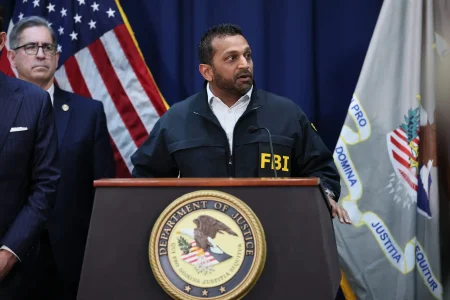
In the wake of this extradition, voices from U.S. law enforcement echoed a sense of triumphant resolve. FBI Director Kash Patel minced no words, declaring that under President Trump’s leadership, foreign terrorist organizations like TdA would be “hunted down and brought to justice.” Patel, a figure known for his unyielding pursuit of national security, framed this event as a beacon for relentless action against violent criminal networks. He vowed that the FBI would utilize “every tool available” to dismantle these threats, curb the influx of deadly drugs into American communities, and safeguard everyday citizens from the shadows of international crime. Patel’s emphasis on Flores being the “highest ranking TdA member” brought to justice in U.S. history wasn’t just rhetoric—it was a deeply human commitment, reflecting the frustrations of families who’ve lost loved ones to drug-related tragedies or the anxieties of parents monitoring online predators fueled by such syndicates. For Patel and his team, this wasn’t merely a legal victory; it was personal, a stand against the erosion of public safety caused by proxies undermining stability from afar. His statements humanized the bureaucratic language of indictments, turning cold facts into a rallying cry for vigilance and action.
Zooming out, this case fits into a larger narrative of TdA’s brazen expansion from Venezuela’s overcrowded prisons to global notoriety. The Venezuelan government has allegedly used such gangs as proxies to destabilize and undermine U.S. public safety, according to FBI assessments—a chilling implication that ties political corruption to everyday violence. The Trump administration’s racketeering charges, filed in April under RICO statutes, marked the first of their kind against TdA, encompassing conspiracies for murder, sex trafficking, assault, and drug dealing. These weren’t isolated incidents but part of a systemic threat that humanizes the plight of victims: young women forced into prostitution, communities extorted into silence, and families grieving murders orchestrated for control. By targeting TdA’s leadership, the U.S. aimed to disrupt the pipeline of cocaine flooding markets, calculated in billions of dollars but measured in shattered dreams and overdose fatalities. This broader effort reveals the human cost—law enforcement officers risking their lives in raids, survivors rebuilding from trauma, and policymakers wrestling with the immigration and security challenges that enable such cross-border crimes.
Finally, Flores’ indictment is just one piece of a broader puzzle, as evidenced by a related December superseding indictment from a Houston grand jury charging three other TdA leaders: 48-year-old Yohan Jose Romero, 45-year-old Juan Gabriel Rivas Nunez, and 38-year-old Giovanni Vicente Mosquera Serrano. They face conspiracies involving material support to TdA, with Mosquera Serrano additionally tied to cocaine charges alongside Flores and listed on the FBI’s 10 Most Wanted Fugitives list—a testament to his elusiveness and danger. This collective pursuit humanizes the relentless cat-and-mouse game between law enforcers and criminals, where each arrest represents hope for justice. For instance, Mosquera Serrano’s notoriety evokes the stories of fugitives evading capture for years, leaving trails of fear and chaos in their wake. As these cases unfold, they highlight the importance of international cooperation, from extradition treaties to shared intelligence, in confronting threats that respect no borders. In the end, bringing figures like Flores to account isn’t just about punishment—it’s about restoration, offering communities a chance to heal from the wounds inflicted by organizations that thrive on terror and exploitation. With the promise of more indictments on the horizon, the U.S. sends a message that the war on such transnational crime is far from over, urging vigilance and unity in the face of relentless adversaries.
Further Context and the Push for Accountability
This ongoing saga with Tren de Aragua isn’t isolated; it’s part of a growing pattern where Venezuelan gangs exploit regional instabilities to launch global operations. As Venezuela grapples with political turmoil and economic collapse, groups like TdA have evolved from prison cliques into sophisticated networks mimicking terrorist cells. The human element shines through in survivor stories—migrants fleeing Venezuela only to encounter TdA’s reach in neighboring Colombia or even within the U.S., where gang activities mimic organized labor rackets but with deadly intent. Extraditions like Flores’ build bridges of trust in international relations, reassuring allies that the U.S. prioritizes dismantling these threats. For Colombian authorities, cooperating with American counterparts means investing in their own safety, reducing the grip of extortion and murder that plague daily life. Patel’s proclamation about using “every tool” resonates as a pledge to families who’ve suffered, like those in Houston communities seeing drug-related tragedies firsthand. It’s not just about arrests; it’s about proactive measures, such as enhanced border security and intelligence sharing, to nip problems in the bud. The Biden administration’s continuation of this momentum, following Trump’s designation, underscores bipartisan commitment, humanizing law enforcement as a bipartisan effort rather than a partisan tool.
Looking ahead, the implications for public safety extend to everyday Americans, who benefit from these crackdowns through reduced drug availability and disrupted trafficking routes. Flores’ case exemplifies how one man’s actions can ripple into widespread harm, but also how justice can illuminate paths to prevention. By targeting leaders, the FBI aims to create a domino effect, pressuring underlings to turn informants or abandon ship. This humanizes the strategy: turning potential perpetrators into collaborators, offering them paths out of darkness through witness protection and rehabilitation if they cooperate. Patel’s focus on “protecting the American people” evokes images of bustling neighborhoods reclaiming peace, parks free from dealer dealings, and schools shielded from the blight of addiction. The $10 million fine potential for Flores highlights financial accountability, potentially draining TdA’s coffers to fund victim restitution or community programs. Overall, this extradition isn’t just a victory—it’s a narrative of resilience, showing that even deeply entrenched criminal empires can be challenged by unwavering resolve and international solidarity. As more cases like this emerge, it fosters hope that the cycle of violence can be broken, one extradition at a time.