





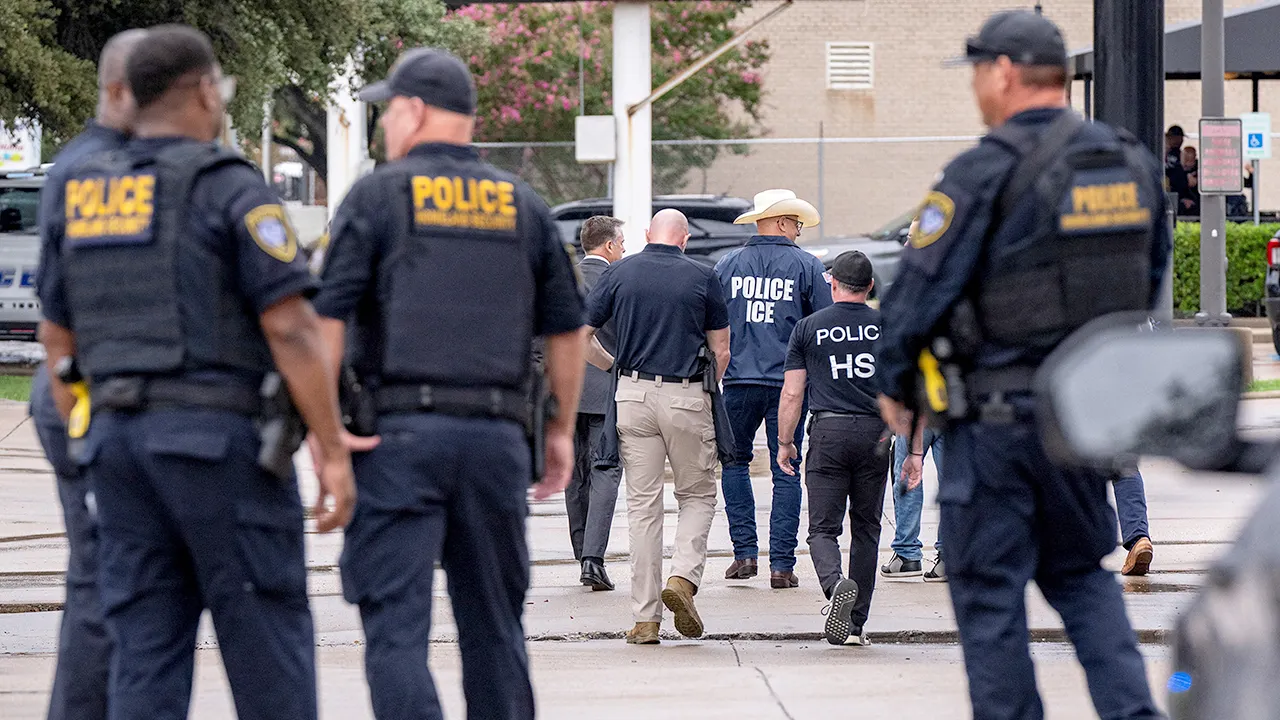
The ordinary, bureaucratic hum of the Dallas ICE Field Office was shattered with absolute violence on a fateful day in 2025, transforming a routine administrative facility into a terrifying, high-stakes combat zone in a matter of seconds. High above the facility, an anonymous sniper had taken up a tactical position on a nearby rooftop, methodically firing seventeen rounds of high-caliber ammunition directly through the glass and walls of the building, sending shockwaves of panic through the personnel and detainees within. Among those caught in the crosshairs was Marco Solis, a seasoned deportation officer whose eighteen years of dedicated federal service had never prepared him for the raw, sensory shock of that moment. Sitting quietly at his desk, Solis was suddenly blasted by a violent explosion of debris, sheetrock, and shattered plaster that struck him directly in the head as bullets effortlessly tore through the multiple walls of his office. The sheer suddenness of the assault left him momentarily disoriented and caught off guard, struggling to comprehend the origin of the sharp, deafening “snaps” echoing through the corridors. It was only when a second round violently penetrated the wall, tumbling visibly across the ceiling above his head, that the terrifying truth crystallized: they were the targets of an active, highly coordinated sniper attack. This horrifying event, which ultimately claimed the lives of two helpless detainees, initiated a desperate struggle for survival within the facility. Recently, Homeland Security Secretary Markwayne Mullin formally recognized the extraordinary valor of these officers, presenting them with prestigious medals for their selflessness during the crisis. For Solis and his colleagues, however, these official honors are merely a somber marker of an event that permanently altered their perspective on their profession, highlighting the extreme vulnerability of modern law enforcement officers who find themselves in the line of fire.
As the high-caliber gunshots continued to rain down from the rooftop, the chaotic scene inside and outside the facility rapidly transitioned from a standard active-shooter defense into a desperate, life-or-death rescue mission. In the immediate aftermath of the initial volley, multiple detainees who were arriving at the facility were struck by the incoming rounds, leaving them heavily wounded and trapped inside a highly vulnerable transport van parked directly in the line of fire. It was during these critical, blood-soaked moments that deportation officer Andres Goche threw himself into the fray, demonstrating a level of courage that defied basic human survival instincts. Disregarding his own safety as bullets continued to split the air around him, Goche physically rushed to the transport van and dragged the bleeding, panicked victims out of the vehicle, pulling them into the relative safety of the building’s processing area. Working alongside Solis and other quick-thinking staff members, Goche helped establish an impromptu triage center amidst the spreading dust and blood, administering critical first aid to stabilize the wounded while they awaited medical services. This harrowing experience forced Goche to confront the ultimate, existential question that haunts every law enforcement officer in moments of extreme peril: the terrifying uncertainty of whether they will survive the shift or suffer a fatal injury. Reflecting on the chaos, Goche noted that while the persistent fear of injury or death is an inherent, universally understood hazard of the job, experiencing it firsthand brings a profound psychological weight that training alone can never fully prepare an officer to handle. His selfless actions that day saved lives, but they also underscored the immense, often unseen sacrifices made by officers who are thrust into the role of battlefield medics at a split-second’s notice to protect those in their custody.
The violent assault on the Dallas facility was not an isolated incident of local unrest, but rather a chilling manifestation of a dangerous, rapidly evolving national environment that ICE employees now face on a daily basis. According to Goche and Solis, the modern landscape for deportation officers and administrative support staff has degenerated into a grim “new reality” characterized by unprecedented hostility, targeted threats, and a constant, exhausting undercurrent of physical danger. For Solis, who has committed more than eighteen years of his life to federal service, the current level of volatility and raw violence is unlike anything he has ever witnessed throughout his lengthy and decorated career. The profession of immigration enforcement has transitioned from standard, structured law enforcement into an incredibly hostile way of life where officers must maintain a state of hyper-vigilance merely to survive their daily shifts and return home safely to their families. To cope with this pervasive, heavy atmosphere of dread, federal personnel across the United States have had to mentally come to terms with the very real and immediate possibility of violence, relying heavily on their rigorous tactical training and the deep, familial trust they share with their fellow officers on the front lines. This heightened state of alert has created massive tension and ripple shifts throughout the entire agency, necessitating significantly increased security protocols and fortified structural defenses at federal facilities nationwide as administrators struggle to protect their staff from coordinated sniper attacks and other acts of domestic terror. The severe shift in public sentiment and the rapid escalation of physical violence have forced these civil servants to view their workplaces not as secure, peaceful offices of federal law, but as potential battlegrounds, highlighting a deeply disturbing trend where those charged with enforcing congressional mandates are increasingly treated as enemies by hostile actors in their own communities.
Beyond the immediate physical dangers faced by officers on duty, the rising tide of hostility against immigration enforcement has exacted a devastating psychological toll on their families, who must often bear the heaviest, most agonizing burdens of this highly charged political environment. Solis spoke candidly and passionately about the fundamental unfairness of this situation, emphasizing that spouses, children, and parents of officers are increasingly being subjected to a relentless barrage of threats, harassment, and public vitriol simply by association. These innocent family members have absolutely no role in writing immigration policies or directing federal enforcement strategies; their only connection to the system is loving someone who has chosen to serve their country by faithfully executing the immigration laws enacted by the democratically elected Congress of the United States. This toxic dynamic introduces a unique, deeply painful layer of anxiety to the profession, as officers must not only worry about their own safety during active-shooter incidents but also constantly fear for the physical security and mental well-being of their loved ones back home. The hyper-politicization of immigration enforcement has stripped away the normal boundaries of civil service, leaving families highly vulnerable to personal attacks, threats of violence, and invasive harassment by bad actors who fail to separate the individual from the federal institution. This agonizing domestic burden represents a silent, ongoing crisis within the law enforcement community, forcing families to live under a perpetual shadow of worry, constantly look over their shoulders in public, and shield their private lives from an increasingly aggressive social landscape that struggles to view federal agents as human beings rather than mere political symbols. It is a profound, deeply unfair sacrifice that goes completely unrecognized by the general public, yet it remains a daily, exhausting reality for the families who must wave goodbye to their partners, parents, or siblings each morning, praying they return home unharmed.
Addressing the deep roots of this coordinated public hostility, Andres Goche pointed directly to a highly organized effort to spread misinformation, stating that much of the national anger directed at ICE is deliberately manufactured and fueled by “paid actors” and professional agitators. According to Goche, these hostile individuals operate with the single, highly disruptive purpose of causing civil disturbance, generating public outrage, and actively attempting to derail federal officers from executing their primary mission priorities. This orchestrated campaign of agitation heavily distorts public perception, painting a highly villainous and false picture of federal officers that completely ignores the highly structured, lawful, and protective realities of their daily civil duties. In direct response to this widespread vilification, Goche delivered a heartfelt, emotionally charged message to the American people, pleading for a return to simple, rational human empathy and mutual respect. “We’re not the bad guys,” he emphasized with profound sincerity, reminding the public that underneath the tactical uniforms and federal badges are real human beings who possess families, personal dreams, and the exact same core values and fundamental interests as the very citizens they live alongside in this beautiful country. The aggressive, politically motivated effort to dehumanize ICE officers ignores their shared humanity and the essential constitutional duties they perform under the federal government’s legal framework. Goche’s passionate defense of his agency highlights a deep, systemic frustration with the way modern media landscapes and paid political agitators manipulate public opinion, creating a highly artificial, hostile, and dangerous divide between local communities and the federal officers who are simply doing their assigned jobs. By treating officers as political scapegoats, these malicious actors obscure the truth, place innocent civil servants in extreme physical danger, and directly fuel the toxic and volatile atmosphere that ultimately erupted into the terrifying Dallas sniper attack.
The true, undeniable depth of the officers’ humanity was perhaps most clearly and beautifully demonstrated by their instinctive actions during the height of the active shooter crisis, which proved that the shared bond of human life transcends political polarization and administrative titles. Christopher Pyne, an enforcement removal assistant who closely witnessed the terrifying events and their aftermath, reflected on how the rapid, courageous actions of Solis and Goche revealed the profound empathy and moral character that exists behind the federal badge. When the sniper’s bullets began penetrating the facility, these brave officers did not hesitate to risk their own lives to rescue, treat, and protect the wounded detainees under their care, reaffirming that they recognize everyone they deal with as equal human beings deserving of safety, protection, and medical dignity. This selfless rescue acts as a powerful, undeniable counter-narrative to the highly publicized stereotypes of cold, unyielding federal agents, proving instead that deep compassion and a sense of duty are intimately intertwined in their daily labor. For Solis, receiving the official medals from Homeland Security Secretary Markwayne Mullin was a deeply humbling experience, yet he remained steadfast in pointing out that awards are never the driving force behind their service. He emphasized with quiet conviction that no officer on that team performs their dangerous duties in search of accolades, commendations, or public recognition; rather, they act because doing the right thing is a fundamental human obligation, regardless of whether anyone is watching or acknowledging their sacrifices. This quiet humility, combined with an unwavering commitment to preserving the lives of those in their custody, defines the true, human character of these maligned officers, serving as a powerful reminder that beneath the intense political divisions and threat of physical violence, the core values of bravery, empathy, and service endure.