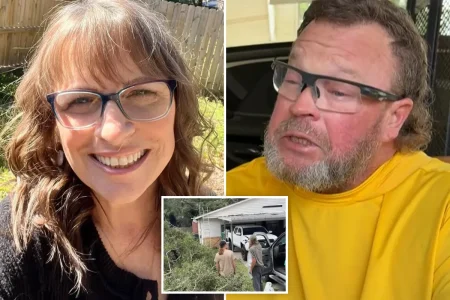




At seventy-two years old, Bill Von Herbulis has learned that independence is not about what your body can do, but what your spirit refuses to give up. For nineteen years, since breaking his neck in an accident that left him unable to stand or walk, he has lived in an electric wheelchair. But the wheelchair has never defined him. Every day, he motors out of his condominium in New Smyrna Beach, Florida, pulling a red wagon loaded with fishing rods, tackle boxes, crab traps, and all the small necessities of a man who loves the water. He makes his way to a narrow private dock near Ponce de Leon Inlet, where the Atlantic Ocean breathes against the shoreline. He fishes alone, often for hours, content with the rhythm of the tides, the tug of a line, and the quiet company of pelicans and gulls. His wife of forty-one years, Lori, knows better than to worry too loudly. Bill has fallen into the water before—twice, in fact—and always managed to get himself out. He is an avid hunter, a former water treatment plant operator, and a grandfather of six. He is stubborn in the most beautiful way. On the evening of September 27, that stubbornness would be tested in darkness, in rising tide, and in waters known to be full of sharks.
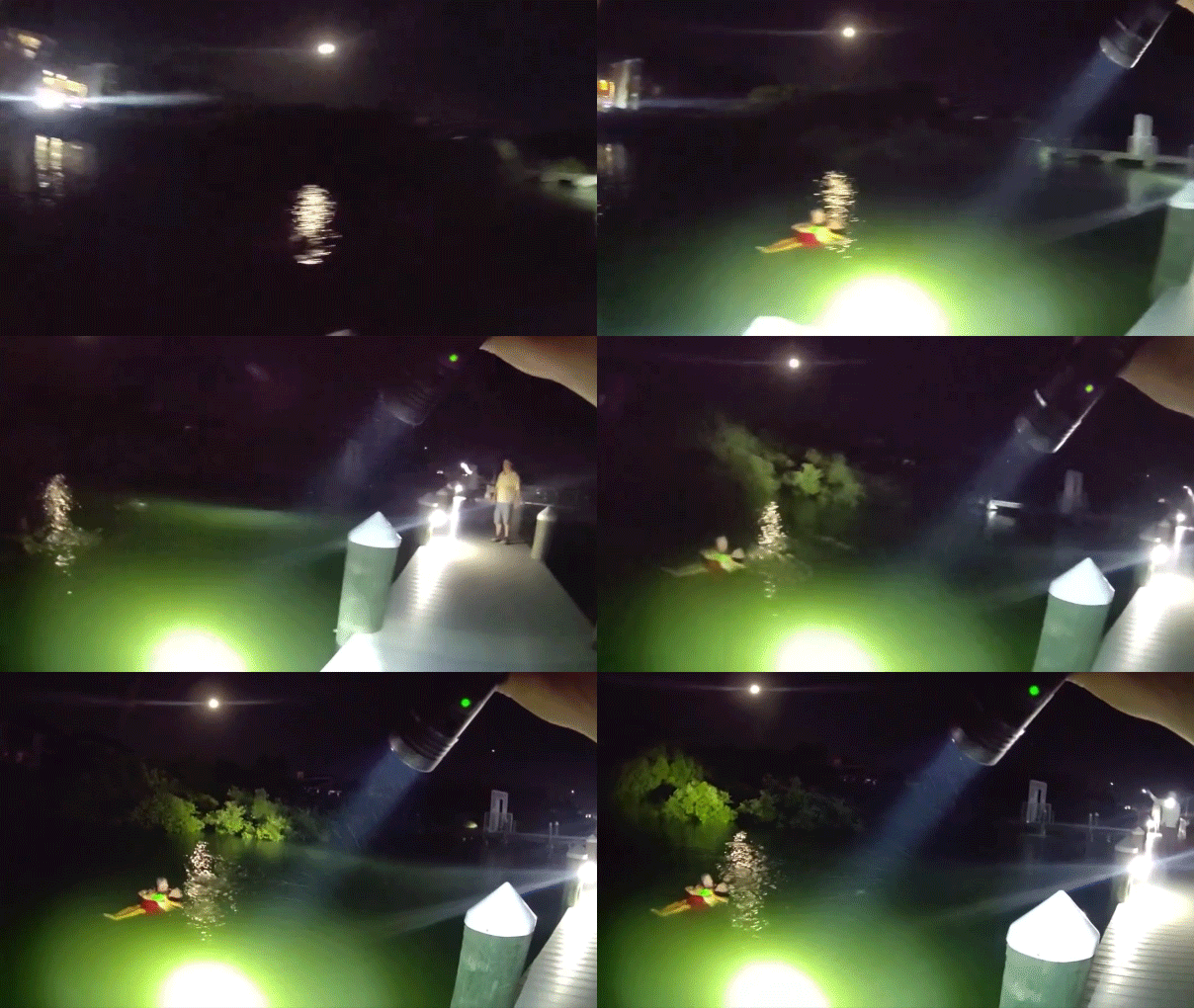
It had not been a memorable evening of fishing. The sun was dipping low, painting the sky in shades of amber and rose, and Bill decided to pack up his gear and head home. He was not supposed to be on the dock after dark; his family and neighbors had warned him many times. But Bill had never been one to follow warnings when the water called. The dock was unusually empty that night—no other anglers, no strolling couples, no sunset watchers. Just Bill, his wheelchair, his wagon full of equipment, and the lapping waves. As he rumbled over the weathered planks toward the gate, his wagon bumped into a dock box and jackknifed suddenly. The jolt sent his wheelchair toppling over, and Bill Von Herbulis tumbled headfirst into the water. His cellphone—his lifeline to the world—splashed in beside him and disappeared into the dark. The water was deep because it was high tide, and Bill, despite his injuries, managed to swim upward and break the surface. He reached out blindly and found a metal electrical conduit pipe jutting between the boat slips. It was the closest thing without barnacles or sharp oyster shells, and he gripped it with everything he had. At low tide, the pipe would have been four to six feet out of reach, but that night, fate gave him a handhold. He began calling for help, every thirty seconds, his voice growing hoarse against the sound of the tide. No one came. He thought about his wife coming home and finding him missing. He thought about waiting all night in the dark water. He kept hollering, determined not to give up.
Help arrived in the form of a stranger who had just pulled into the marina and heard the splashing. The man saw Bill clinging to the pipe, but a locked gate on the private dock prevented him from getting close. He didn’t have a key, and he didn’t belong there—but none of that mattered. He called 911 and reported a possible drowning. Within minutes, deputies with the Volusia County Sheriff’s Office were racing to the Minorca condominium community. Sergeant William Leven and Deputy Boris Rodriguez arrived to find Bill’s overturned wheelchair on the dock and Bill himself struggling to keep his head above water. The body camera footage captures what happened next: Leven unclips the belt holding his gun holster, kicks off his boots, and lowers himself into the water, a sheriff’s office buoy in hand. He moved carefully, knowing that below him were razor-sharp oyster shells and that the dock’s pylons were encrusted with barnacles capable of slicing skin to the bone. He got the buoy to Bill, then snatched a bag of Bill’s belongings as it floated away. With bystanders helping from above, the deputies guided Bill up the stairs from the water to the dock. Bill, who cannot stand or walk, declined medical attention. He simply wanted to go home. They helped him back into his electric wheelchair, and he motored away with a grateful heart. The next day, the sheriff’s office posted the rescue video on Facebook, praising the quick-acting sergeant. Leven is now set to receive a Lifesaving Award. As for Bill, he was back on the dock the very next morning. “He doesn’t miss,” Lori laughed.
The danger Bill faced was not just drowning, exposure, or the sharp, encrusted hazards of the marina. The water around Ponce de Leon Inlet and New Smyrna Beach is famously shark-filled, and the timing of his fall could not have been worse: it was dusk, the very hour when sharks are most active and most likely to feed. New Smyrna Beach has long held a reputation as one of the shark bite capitals of the United States, with surfers and swimmers regularly encountering blacktips, spinners, and other species in the murky surf. According to data from Tracking Sharks, an organization that publishes records of shark incidents, there have been dozens of shark attack bites globally in recent years, with Florida leading the nation in unprovoked encounters. In September, not far from where Bill was rescued, a surfer was bitten on the foot by a shark. Experts with the International Shark Attack File advise avoiding the water at dawn and dusk, swimming with a buddy, avoiding areas where people are fishing, and refraining from excessive splashing—all rules Bill inadvertently broke that evening. But Bill has never been intimidated by sharks. He fishes from that dock regularly and has caught sharks himself, including one about seven feet long. He often watches sharks snatch half of his catch as he reels in redfish or snook. When asked about the risk of falling into shark-filled water at feeding time, he simply chuckles. “There’s obviously sharks in that water,” he said. “But they didn’t want me.” His dry humor hides an extraordinary calm, the calm of a man who has faced physical limits every day for nineteen years and refuses to let fear take root.
What makes this story so moving is not just the rescue, but the way Bill and his family tell it. Lori Von Herbulis, who has been married to Bill for forty-one years, says she doesn’t go fishing with him because she is afraid of witnessing exactly what happened that night. She has spent decades watching her husband navigate a world that was not built for wheelchairs, watching him hoist himself, watching him push limits, watching him come home with cuts and scratches and stories. When she learned what had happened, her heart must have stopped. But Bill’s first instinct was not to dwell on the terror. He joked that he made a clean dive into the water, avoiding the barnacles and oysters because he entered cleanly. He called the man who heard him splashing their “angel,” even though the man didn’t have a key to the dock and couldn’t get close enough to help directly. “We don’t think he belonged there—not that we care, because he was our angel,” Lori said. The anonymous angler didn’t stick around to be celebrated. He just called 911 and disappeared into the night. That is its own kind of heroism. And then there is Sergeant Leven, who didn’t hesitate to drop his gun belt and wade into dark, dangerous water at feeding time, knowing that a shark could just as easily find him. He did not ask whether Bill belonged there. He did not weigh the risks. He saw a human being in trouble, and he moved. That is the quiet, uncelebrated courage that defines so many first responders—the willingness to be the one who goes in, even when the water is dark and the odds are uncertain.
In the end, this is a story about community, about the invisible threads that tie strangers together in moments of crisis, and about a man who refuses to let his disabilities or a terrifying fall keep him from the life he loves. Bill Von Herbulis was back on the dock the day after his rescue, casting his lines and tending his crab traps as if nothing had happened. His wife laughs about it now, but there is a layer of profound love beneath the laughter. She knows that Bill will not stop. He will keep fishing at dawn and dusk. He will keep rolling his wheelchair down that narrow dock. He will keep pushing the boundaries of what a body in a wheelchair can do, because for him, that is not recklessness—it is living. He was the catch of the day on September 27, pulled from the water not by a hook and line but by courage and compassion. Sergeant William Leven’s awarding ceremony will be a moment of well-deserved recognition, but the real reward is already visible in Bill’s grin, in his wife’s relief, in the way he motors home every evening with the smell of salt and bait on his clothes. He has fallen three times now, and three times he has risen—once with help, always with grace. The sharks may patrol those waters, but they didn’t want him. The sea gave him back, and so did the man who waded in after him. In a world that often feels divided, this is a reminder that heroism does not require a cape or a headline. Sometimes it just requires a deputy who is willing to get wet, a stranger who makes a phone call, and a resilient old fisherman who refuses to let anything — not age, not paralysis, not sharks — steal the simple joy of a line in the water.