



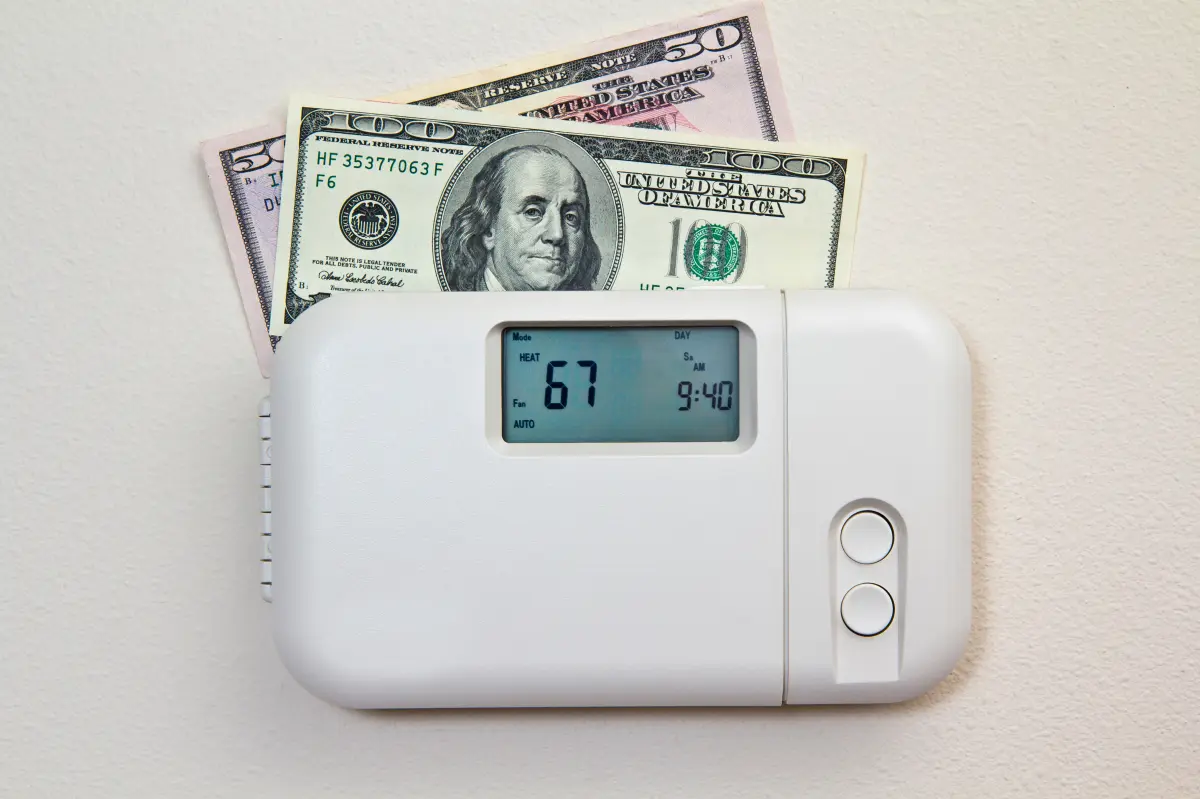
Winter cash is coming—but not the kind of cash you find under a mattress. It’s a lifeline. As the first frost dusts the windows and the radiators start clanking, many New Yorkers brace for the inevitable: higher energy bills. Every autumn, the anxiety begins. You watch the forecast, you check the oil tank, and you wonder if the budget can stretch to cover another month of heat. It shouldn’t have to be that way. Governor Kathy Hochul recently announced that the Home Energy Assistance Program, or HEAP, is now open for applications. HEAP is a federally funded program designed to help low- and middle-income households pay for electricity, gas, oil, propane, wood, coal, and other home energy costs. It’s not a loan and not a trap. For eligible residents, it’s a check—money that can make a real difference when temperatures drop. “No New Yorker should have to choose between heating their homes this winter and keeping food on the table,” Hochul said in a press release, and that simple line captures the heart of the program. This isn’t just policy; it’s a promise that you don’t have to live in fear of the thermostat. Whether you’re a senior in a Brooklyn walk-up, a family of four in Buffalo, or a single worker in an old rental in Albany, help may be available. The program has been around for decades, but each year it adjusts to the realities of rising energy costs and the specific needs of the people it serves. This winter, the checks are larger than before. And that matters, because the cost of staying warm has never been steeper. The idea is not to pay your entire heating bill, but to make it manageable—to lift the weight just enough that you can keep your home comfortable without going into debt or skipping meals.
Of course, the first question everyone asks is: How much can I get? The answer isn’t a single number, because every household is different. HEAP payments start at $35 and climb all the way to $1,086. The exact amount depends on a few important factors: your income, the size of your household, what fuel you use to heat your home, and whether anyone in your home is considered vulnerable—like a young child, an older adult, or a person with a disability. This year, lawmakers recognized that energy prices are still climbing, and they responded by increasing the amounts for certain fuel types. If you heat with oil, kerosene, or propane, your check has been raised by $90, bringing the top benefit to $990. If you depend on wood, pellets, or coal, the increase is $65, taking your maximum to $700. For families who use natural gas or electricity, the base amounts still apply, and those may vary, but the important thing is that the money is there. Let’s be honest: $700 or $990 might not cover the whole winter, but it could cover a delivery of heating oil, a few weeks of electricity, or a cord of wood. It gives you room to breathe. It takes the edge off the terror of opening a utility bill. And for some households, especially those already receiving other forms of assistance, it can be the difference between a warm home and a dangerous one. The program is not designed to make you rich, but it is designed to make sure you don’t have to choose between heat and groceries. And in a city and state where the cost of living can feel impossible, that kind of help is more than just a few dollars—it’s a hand up.
Now, who can actually apply? The eligibility rules are broader than many people expect. You don’t have to be living in poverty to qualify—you just need to meet the income guidelines for your household size. For example, a family of four can have a gross monthly income of up to $6,852, which works out to about $82,230 a year, and still receive assistance. That’s a decent middle-class salary by many standards, and it means a lot of working families who are stretched thin can get help. The program also considers whether you receive certain benefits automatically. If you get Supplemental Nutrition Assistance Program benefits, often called SNAP or food stamps, you may be eligible. The same goes for federally funded Temporary Assistance, which is sometimes called Public Assistance, or for Supplemental Security Income if you are living alone. Another requirement is that at least one member of your household must be a United States citizen or a Qualified Non-Citizen. That last part is in place because HEAP is federally funded, and the rules come with the money. But for the vast majority of New Yorkers, the process is straightforward. You don’t need to be a homeowner, and you don’t need to have an emergency already underway. If you’re paying for heat out of your own pocket and your income falls within the limits, it’s worth applying. The state has an income table on the HEAP website that shows the exact cutoff for every household size, and the application itself will guide you through the steps. If you’re unsure whether you qualify, the worst thing you can do is assume you don’t. The program was built to help people who are working hard and still struggling, and many families who never imagined they’d receive assistance are pleasantly surprised.
Applying for a regular HEAP benefit is not as hard as it sounds, and you can do it from the comfort of your kitchen table. The application is available on the HEAP website, and if you already receive certain benefits like SNAP or Public Assistance, you might even qualify automatically without filling out a separate form. For everyone else, you’ll need to provide basic information about your income, household size, heating source, and energy costs. Once you apply, you can receive one regular benefit per season. But—and this is crucial—checks are awarded on a first-come, first-served basis until the funding runs out. That means waiting too long can leave you out in the cold, both literally and figuratively. Every year, the money gets exhausted, and late applicants are often turned away. So if you’re reading this and think you might qualify, don’t delay. There’s another important detail to understand: the payment is sent directly to your energy vendor, not to you. In other words, the check goes to your oil company, your electric utility, or your propane supplier. That’s not a bad thing—it ensures the money is used for the intended purpose, and it takes the burden off you to figure out how to pay the bill. It shows up as a credit on your account, and you’ll see the balance go down. There’s also an Emergency HEAP benefit for people who are in danger of running out of heating fuel or having their utility service shut off. That program is separate, and applications for the emergency benefit open on January 4, 2027. If you’re facing a shutoff notice or your oil tank is nearly empty, this is the safety net you need. But you have to apply through the proper channel and provide proof of the emergency.
Beyond helping with heating bills, the state also wants to make sure your heating system actually works. Nothing is worse than a broken furnace in the middle of January, and for low-income households, the cost of repairing or replacing a boiler, furnace, or other direct heating equipment can be absolutely impossible. That’s why the state’s Heating Equipment Repair and Replacement program is so important. This program opened for the 2026–2027 season on October 1, 2026, and it offers assistance for exactly these kinds of emergencies. If your primary heating source is broken, the program can step in and pay for certain repairs. The benefit amount is based on the actual cost of the work, but there are caps: up to $4,000 for a repair and up to $8,000 for a replacement. That means if your old furnace finally gives out, you’re not left to face the full cost alone. The program is specifically designed to make sure your heating system is safe, functional, and ready for winter. It covers things like fixing a cracked heat exchanger, replacing a worn-out burner, or installing a new boiler when the old one can’t be saved. For many families, this is the difference between having heat and not having it at all. It’s also a matter of safety, because a malfunctioning heating system can be both uncomfortable and dangerous, with the risk of carbon monoxide leaks or electrical fires. By taking care of the equipment, HEAP and its related programs are doing more than just cutting bills—they’re protecting lives. If your heating system is old, unreliable, or completely broken, don’t wait until the temperature plummets. Reach out to the program and see if you qualify. This is one of those hidden gems of assistance that not enough people know about, but it can be a real game-changer.
At the end of the day, the message is simple: you don’t have to face winter alone. The state of New York, through HEAP and the heating equipment repair program, is offering real financial help to families who need it most. It’s not a handout; it’s a lifeline. It’s the acknowledgment that no one should have to choose between having a warm home and putting food on the table. And it’s a reminder that assistance is available for those who reach out. The process does take a little time and patience, and the funding is limited, so the sooner you act, the better. Go to the HEAP website, check the income guidelines, and fill out the application. If you need help with the process, there are local agencies and community organizations across the state that can guide you through it. You can also call the HEAP hotline or visit a local Department of Social Services office. Don’t let pride get in the way, and don’t assume you don’t qualify. Millions of dollars are available, and they’re meant to be used. Winter is coming, and yes, it’s going to bring high energy bills, but that doesn’t mean you have to face them without support. The cash is out there. The program is open. The only thing left to do is apply, and you should do it before the funds run out. Whether you need help paying for a tank of oil, a month of electricity, or a brand-new furnace, there’s a program waiting for you. So take a deep breath, grab your paperwork, and reach out. Warmth is more than a luxury; it’s a basic need, and in New York, help is on the way.