




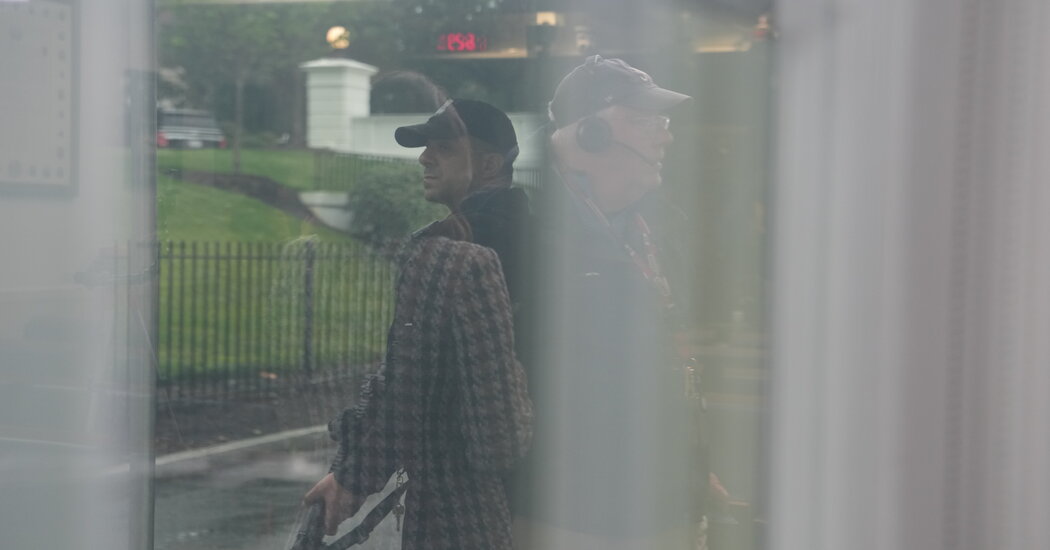
The White House, bathed in the soft, historic glow of security lights on a cool Saturday evening, has long stood as an enduring symbol of global power, democratic stability, and seemingly impenetrable safety. For the journalists, staffers, and tourists who frequent its surrounding pedestrian plazas and meticulously manicured lawns, the executive mansion is a place where history is recorded in real time, usually under the watchful, comforting eyes of the world’s most elite security forces. To spend a weekend evening on the North Lawn is to participate in a quiet, heavily guarded routine—a space where the hum of high-end camera equipment and the murmurs of reporters preparing for late-night broadcasts form a predictable, peaceful rhythm of civic life. Yet, on this particular night, that carefully maintained illusion of absolute sanctuary was violently shattered in an instant, proving that even the most heavily fortified residence on Earth is ultimately fragile in the face of sudden chaos. In a matter of seconds, the gentle atmosphere of the Washington evening evaporated, replaced by a raw, terrifying reminder of the unpredictability of modern gun violence, transforming a routine shift for the White House press corps into a sudden, desperate scramble for survival that shocked the nation.
Inside this sudden, terrifying vacuum of safety, the immediate reality of the threat was captured with harrowing intimacy by Selina Wang, a senior White House correspondent for ABC News. Standing on the North Lawn, Wang was engaged in the modern, routine task of recording a social media update on her iPhone, her voice calm, poised, and professional as she spoke directly to her viewers. But her video recording would capture something far more visceral and frightening than a typical political report; only three seconds into the segment, the sharp, rapid cracks of what sounded like dozens of gunshots began to tear through the heavy night air. The footage captures a chilling, instantaneous shift from professional poise to raw, primal survival instinct as she immediately drops to the cold ground to seek cover from the unseen, echoing threat. In that terrifying moment, the boundary between the detached reporter documenting history and the vulnerable human being caught in a potential tragedy dissolved entirely, leaving her flat against the grass, listening to the echoing thunder of twenty to thirty shots that seemed to come from mere yards away, her heart hammering against the pavement.
A short distance away on the North Lawn, Allison Robbert, a seasoned and respected photographer for The New York Times, experienced the same sudden, deafening auditory assault that shattered the evening’s peace. She described hearing a relentless barrage of gunfire, a rapid-fire sequence of twenty to thirty shots that echoed off the historic facade of the executive mansion and sent an immediate shockwave of adrenaline through everyone working outside. The reaction from the Secret Service was immediate, intense, and uncompromising; discarding their usual quiet, background presence, heavily armed agents sprang into high-alert tactical mode, shouting commands to clear the area and swiftly ushering the startled, panicked journalists away from the exposed lawn. They were rushed into the relative safety of the White House press briefing room, the heavy doors slammed and locked tight behind them to create a barrier against the unknown danger outside. Once inside, a heavy, anxious silence fell over the gathered press pool, as this room, which had hosted decades of diplomatic sparring and historic presidential announcements, suddenly transformed into a temporary bunker filled with shocked media professionals breathing heavily as they waited to discover if the threat had been neutralized.
As the physical space of the White House went into a state of highly coordinated, tense lockdown, the digital landscape began to buzz with the clinical, bureaucratic language of official military and law enforcement crisis response. Kash Patel, the director of the Federal Bureau of Investigation, took to social media to confirm that the F.B.I. was actively on the scene, providing immediate, tactical support to the Secret Service as they responded to the reports of shots fired near the White House grounds. This dry, official confirmation of a major security breach stood in stark contrast to the raw, deeply emotional updates being sent by the journalists still huddled inside the briefing room, waiting for news. While the official law enforcement machinery worked to establish command, control, and a secure perimeter, the human beings caught inside the secure zone were using their personal devices to share the genuine terror of the experience, posting videos of the echoing gunfire and sending quick, trembling messages to families. This juxtaposition highlighted the modern reality of breaking news in the digital age, where the sterile, factual updates of a security operation are accompanied in real-time by the deeply human, vulnerable testimonials of those who lived through the panic.
This shocking breach of peace at the very heart of American governance serves as a distressing mirror to the broader, lingering anxiety that defines modern life in the United States, where the specter of sudden violence is never far from mind. For years, communities across the nation have struggled with the pervasive, haunting trauma of gun violence in everyday public spaces, from schools and supermarkets to neighborhood theaters and community parades. To hear the unmistakable sound of rapid gunfire echoing across the lawn of the President, however, introduces a deeply unsettling existential dimension to this ongoing national crisis, proving that no level of security can truly insulate a space from the volatile realities of the outside world. The psychological impact on the staff, journalists, and security personnel who work within these historic gates is profound, serving as a reminder that their daily professional duties are carried out under the constant, dormant threat of tragedy. The realization that bulletproof glass and elite tactical squads are merely a final line of defense, rather than an absolute guarantee of prevention, leaves a lingering sense of vulnerability that persists long after the immediate danger has passed.
As the night wore on and the initial rush of adrenaline slowly drained from the locked-down press corps, the atmosphere in the briefing room shifted from acute, heart-pounding panic to a weary, quiet vigil of waiting. The gunfire had ceased, leaving behind a heavy, unnatural stillness that was punctuated only by the low, whispered murmurs of reporters calling their spouses and children to assure them that they were safe and unharmed inside. With the shooter’s motives, identity, and exact location still shrouded in the fog of an active, ongoing investigation, the journalists began the slow, difficult process of pivoting back to their professional duties, translating their own traumatic experiences into the breaking news reports of the evening. This startling event stands as a powerful testament to the resilience of the men and women who work to document our history, often finding themselves unexpectedly thrust into the very center of the dangers they are assigned to cover. Ultimately, as the emergency sirens faded and the lights of the nation’s capital continued to shine against the dark sky, the lingering question was not just how such a breach occurred, but how we cope with a world where even the most heavily guarded symbols of democracy can be so suddenly and terrifyingly disrupted.