



Paragraph 1
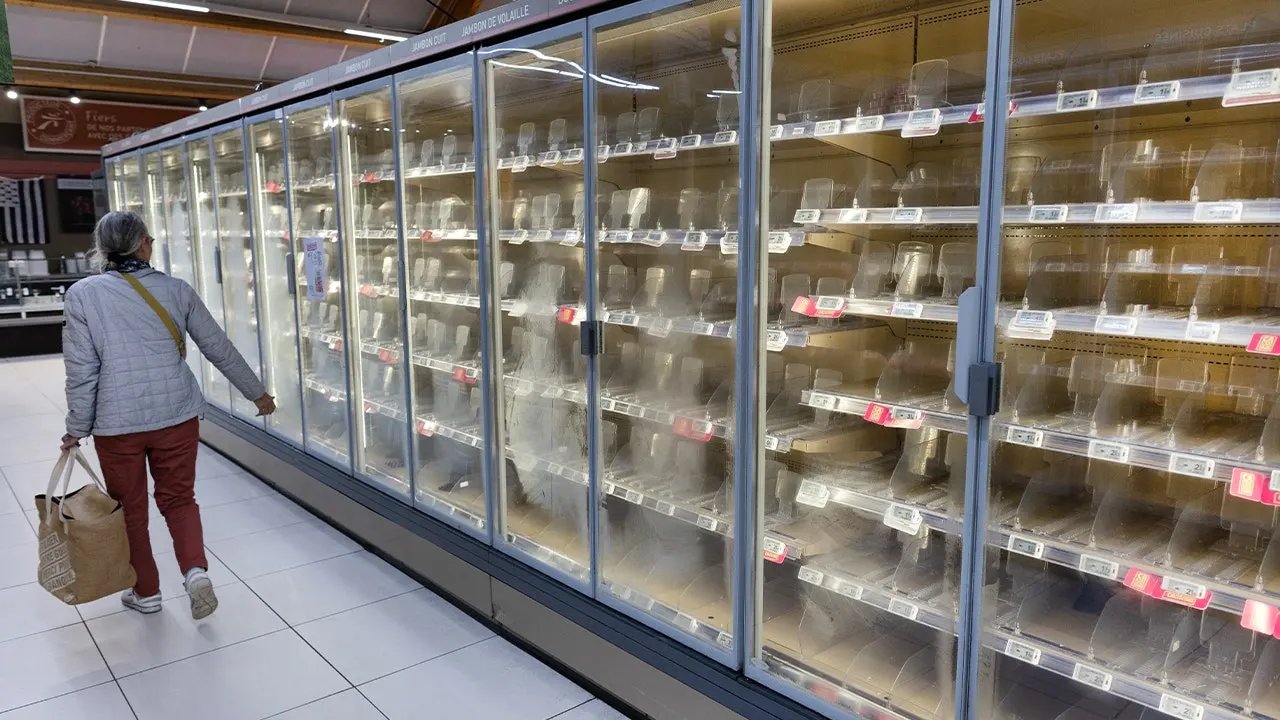
It starts so innocently. You walk into the fluorescent-lit embrace of your local supermarket, the hum of the air conditioning a constant white noise. You grab a cart, say hello to the deli clerk, and reach for a bag of frozen peas—only to find them limp and soft. The freezer doors are fogged up, and a faint, sour smell of defrosting meat drifts through the air. This is the nightmare scenario emerging from recent events that have rattled national security circles, moving the threat of cyberwarfare out of the realm of cryptic code and silent servers and directly into the mundane, everyday ritual of feeding a family. In late August, at least six military commissaries—grocery stores on U.S. bases serving active-duty personnel and their families—experienced sudden and mysterious refrigeration failures. Fort Huachuca in Arizona bluntly warned its community that “ALL frozen food has spoiled.” Similar failures struck F.E. Warren Air Force Base in Wyoming, Naval Station Newport in Rhode Island, Columbus Air Force Base in Mississippi, and Travis Air Force Base and Fort Irwin in California, where sales were limited to dry goods. These weren’t just isolated broken coolers; in at least one instance, the refrigeration units were deliberately set to higher temperatures overnight, glowing warmer in the dead of night like a silent, malicious hand twisting a dial. Now, with European supermarkets suffering eerily similar sabotage—some reaching a scorching 122 degrees Fahrenheit—the question haunting officials is no longer if someone is targeting our food supply, but who and when they will strike again.
Paragraph 2
For Nicole Parker, a former FBI special agent, this is not a random coincidence of faulty machinery. It is a glaring red flag that signals a profound shift in the nature of modern conflict. Parker, who spent years hunting down complex threats, warns that the next attack on American security may not arrive with a missile strike or a ground invasion, but through the very aisle where we pick out milk and bread. “Every human being has to eat. This is the grocery store,” Parker told Fox News Digital, her words cutting through the technical jargon to a basic, undeniable truth. While the U.S. incidents occurred at military bases, the parallel disruptions in Sweden, Belgium, and Luxembourg create a worrying pattern that suggests a coordinated dry run or a deliberate act of intimidation aimed at the global food supply chain. Investigators in the United States are now working with French law enforcement, looking for digital fingerprints that might connect the two sets of failures. The investigation, involving the Army Criminal Investigation Division’s Cyber Field Office, the Defense Commissary Agency, and the Defense Criminal Investigative Service, is painstakingly slow, but the urgency is palpable. Parker insists that what we are seeing across the Atlantic is a prelude to what could happen on American soil. The danger is not just the loss of a few steaks and gallons of ice cream; it’s the realization that the systems we take for granted—the cold chain that keeps our food safe, the grid that powers our lights, the servers that run our banks—are all vulnerable targets that an adversary can reach without ever leaving their keyboard.
Paragraph 3
The broader implications of this threat extend far beyond spoiled produce, touching on the very fabric of societal stability. Parker describes this as “asymmetrical warfare,” a strategy where a smaller or less powerful adversary can inflict massive psychological and economic damage on a superpower without engaging in traditional combat. By attacking something as fundamental as the food supply, an enemy can foster chaos, distrust, and a sense of vulnerability that erodes the public’s confidence in its government and institutions. “No one in law enforcement underestimates the harm that could be caused by a cyberattack against our country or against our allies,” Parker emphasized. This psychological impact is the actual weapon. When families walk into a grocery store and find empty shelves or spoiled goods, they don’t just feel inconvenience; they feel a primal fear of scarcity. This fear can trigger panic buying, hoarding, and civil unrest much faster than a power outage or a temporary water main break. Parker warns that this asymmetrical approach has a “very strong psychological impact,” turning a routine grocery run into an act of survival. However, she is quick to temper this fear with a call to resilience: “We’re Americans. We will not falter ever.” Yet, her warning is clear—faltering or not, the psychological shock of a disrupted food supply is a real, potent weapon that nations and rogue actors can wield against us, triggering a cascade of economic ripple effects that could cripple local businesses and strain supply chains for months.
Paragraph 4
As the investigation grinds forward, the cold, hard facts remain murky, adding to the anxiety. The identity of those behind the European incidents remains unknown, and the Army CID has been quick to note that a cyberattack has not been definitively established as the cause of the military commissary malfunctions. Yet, the specific detail of the thermostats being raised rather than the power being cut points to a sophisticated actor who understands the infrastructure and wants to maximize waste and spoilage while leaving the digital trail minimal. The investigation is a cross-continental puzzle, piecing together log files, network traffic, and maintenance schedules to see if a foreign state actor, a hacktivist group, or a criminal enterprise is responsible. Parker cautions against jumping to conclusions, reminding the public that “we don’t know who did this,” but she stresses the necessity of treating these incidents as a rehearsal for something larger. The silence from official channels is deafening, but the whispers among cyber experts are loud. They point to a “Trojan horse” threat that could already be lurking inside American utilities, waiting to be activated. The fact that the refrigeration units were tampered with suggests a ransomware group testing the waters or a nation-state probing vulnerabilities in critical infrastructure, a dress rehearsal that could precede an attack on the broader American food supply chain that feeds over 330 million people. The trace evidence is now in the hands of digital forensics experts who are sifting through terabytes of data to find the single malicious packet that turned a freezer into an oven.
Paragraph 5
While federal investigators chase digital ghosts, Parker is adamant that the front line of defense is not in Washington, D.C., but in city halls and county administration buildings across the country. The response to this threat can no longer be the sole purview of law enforcement agencies; it requires a coordinated, community-wide effort to build resilience. “We’re in a place now where it’s not just enough for law enforcement to be prepared,” Parker stated, shifting the focus to elected officials and local leaders. City managers, mayors, and city council members must understand the potential threats facing their jurisdictions and develop comprehensive plans to keep their residents alive and safe if essential services are disrupted. This means identifying vulnerabilities in local food distribution networks, planning for emergency refrigeration, and establishing communication protocols that can reach citizens when the internet and cellular networks are compromised. Parker’s vision is one of proactive preparedness rather than reactive scrambling. Would a typical small town know how to feed its shut-in elderly population if a ransomware attack froze their banking systems and emptied the grocery warehouse? Do local health departments have the capacity to handle a mass spoilage event? These are the unglamorous but critical questions that need to be asked and answered before an attack occurs. By empowering local leaders with the training and resources to handle disruptions, the nation can build a defense-in-depth that makes it harder for adversaries to achieve their strategic goals, turning every community into a resilient fortress rather than a waiting victim.
Paragraph 6
On a personal level, Parker’s advice is refreshingly grounded, turning the menace of cyberterrorism into a practical checklist that feels less like doom-mongering and more like common sense. She urges families to take a page from the hurricane playbook, something she knows intimately from living in Florida. “We’re used to hurricanes. The preparation would be very much the same,” she said, demystifying the threat by comparing it to natural disasters we already know how to handle. Specifically, she encourages Americans to keep a basic stockpile of non-perishable food, bottled water, and necessary medications on hand. She advises gathering crucial documents—passports, birth certificates, insurance papers—into a designated, easily accessible location, and to have a frank conversation with family members about how they would communicate if the grid went down and cell towers failed. Her suggestions also include having a battery-operated AM radio to receive emergency broadcast alerts when modern communication fails. “I’m not saying that you need to go buy everything off of the shelves,” Parker clarified, urging people to incorporate preparation into their regular shopping routines rather than engaging in panic buying. The goal is not to live in a bunker, but to foster a sense of agency and security. “If you are prepared, you do not have to fear,” she concluded. By taking these small, deliberate steps, American families can reclaim their sense of security, turning the potential weapon of psychological warfare back on the attacker by demonstrating that our resilience is stronger than their malice, and that the simple act of stocking our pantries is, in itself, an act of quiet defiance against the specter of cyber chaos.