


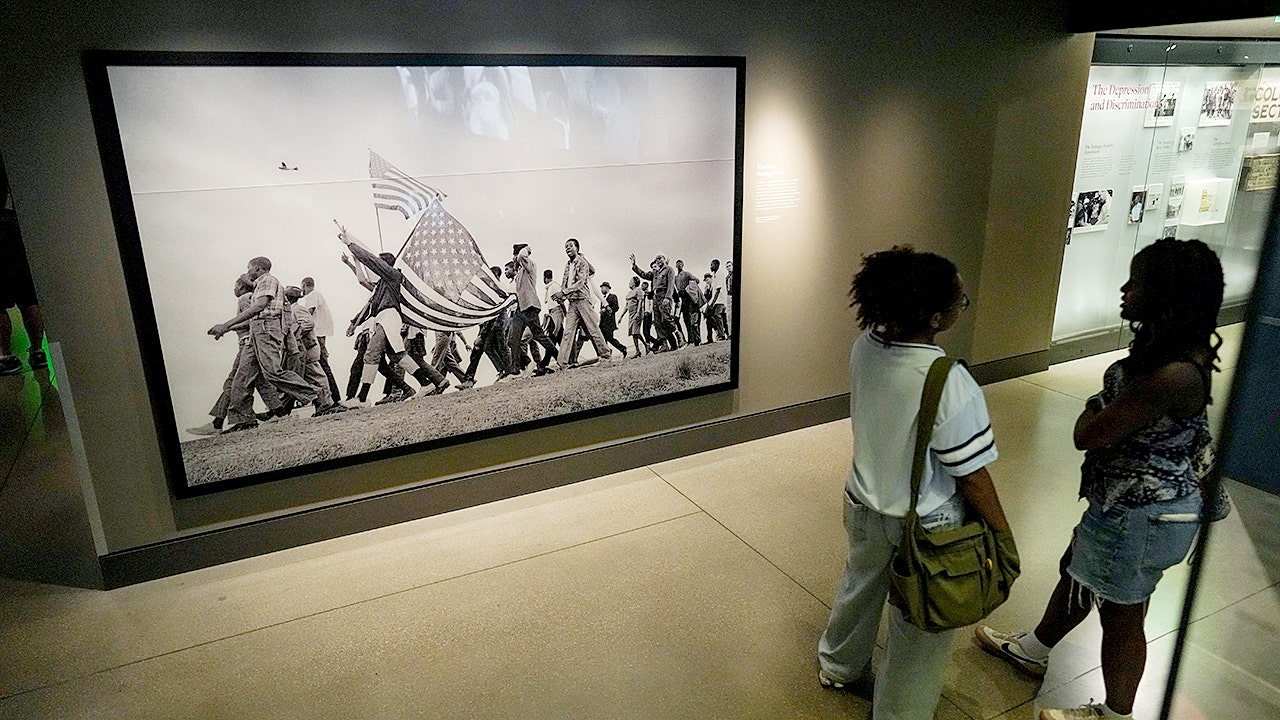
The modern American landscape is defined by a continuous, exhausting tug-of-war over cultural identity, historical memory, and the very soul of the nation. This ideological battle is not fought merely in the halls of Congress, but in the quiet corridors of our national museums and the daily feeds of our social media platforms. When a prominent religious leader calls out the Smithsonian Institution for what he characterizes as anti-American indoctrination, it highlights a deep, systemic anxiety about how our national story is being rewritten for future generations. For many, institutions that were once seen as neutral keepers of history are now viewed as battlegrounds for competing worldviews, leaving everyday citizens feeling increasingly alienated from their own heritage. This division is further complicated by the changing strategies of our political leaders, such as Representative Alexandria Ocasio-Cortez, who has recently sought to distance herself from some of her past radical rhetoric in an apparent bid for mainstream viability. Simultaneously, Senator Bernie Sanders continues his relentless crusade against the influence of corporate super PACs and groups like AIPAC, arguing that the democratic primary system has been corrupted by dark money. These shifting political tides reveal a ruling class in perpetual conflict, trying to balance ideological purity with the pragmatic demands of survival, while the average voter is left to navigate a world where even history itself feels unstable.
Beneath the shouting matches of cable news and the tactical maneuvers of political parties lie deeply personal human struggles that often get reduced to mere talking points. This cruel reduction is perhaps most visible in the national debate over reproductive rights, where the deeply painful, intimate journey of starting a family is dragged into the political colosseum. When a member of the progressive “Squad” publicly shares her emotional and physical vulnerability regarding her fertility treatments, it serves as a stark reminder that policy decisions have direct, profound consequences on the dreams of aspiring parents. The political fight over in vitro fertilization (IVF) and reproductive freedom is not just a theoretical debate about legal precedents; it is a story of sleepless nights, agonizing waits in clinic offices, and the fragile hope of holding a child. By framing this personal journey as a direct battle against the political legacy of Donald Trump, politicians highlight how deeply the state has intervened in the most private corners of human life. This intersection of personal grief and public policy illustrates a society where even our most basic biological desires and family aspirations are subject to the polarized whims of partisan warfare, leaving families to navigate their private pain under the harsh glare of public scrutiny.
The world of professional sports has long served as both a distraction from these heavy societal burdens and a mirror reflecting our cultural evolution, a dynamic vividly on display in the rapidly changing landscape of women’s athletics. The WNBA is currently experiencing an unprecedented cultural moment, characterized not only by explosive growth and skyrocketing viewership but also by intense, highly publicized rivalries that capture the public’s imagination. The court-side feud between DiJonai Carrington and Sophie Cunningham has become a viral sensation, illustrating the fierce competitiveness and raw passion that define the modern league. Yet, this rise in popularity brings its own set of growing pains, as coaches make controversial tactical decisions—such as benching starters to send a message to league executives—and former male athletes critique the league’s structural policies. Beneath this high-stakes athletic drama, however, lies the profound truth that athletes are human beings wrestling with the same vulnerabilities as the rest of us. This is powerfully illustrated by the journey of a former Major League Baseball star who, despite achieving the ultimate dream of World Series glory, saw his life nearly destroyed by a severe alcohol addiction. His ongoing battle for recovery and redemption serves as a sobering reminder that wealth, fame, and athletic genius are no shield against the quiet, devastating storms of mental health and addiction, proving that the hardest victories are often won far away from the stadium lights.
As we struggle to find common ground in culture and sports, the media ecosystem that is supposed to inform us has instead become a primary source of division, leaving many to question the very nature of truth. The boundaries of acceptable public discourse are constantly being tested, as seen in the intense backlash surrounding progressive digital commentators like Hasan Piker, whose highly provocative and controversial comments regarding the Israel-Hamas conflict have sparked fierce debate. The fallout from his statements has ignited a complex conversation about free speech and accountability, with conservative commentators pointing out that the push to censor or “cancel” Piker has come from within his own ideological ranks, exposing the fractured nature of the modern left. At the same time, traditional journalism is facing its own profound crisis of trust, exemplified by tense on-air clashes where retired military officials openly challenge major networks like CNN over their reliance on unnamed sources when reporting on critical international conflicts. When independent investigative programs are scrutinized for receiving millions of dollars from organizations linked to foreign influence, the public is left with a deep sense of cynicism, wondering if the news they consume is designed to inform them or simply to manipulate their perspective in an ongoing global information war.
This atmosphere of distrust and anxiety naturally extends to how we govern our local communities, particularly as rapid technological advancements begin to reshape our expectations of privacy and safety. In cities and towns across the country, local leaders are grappling with the integration of automated surveillance systems, such as Flock Safety cameras, which are designed to track license plates and assist law enforcement. While these technological tools offer a powerful weapon against crime, thoughtful public servants are arguing that without strict constitutional guardrails, we risk quietly sliding into an unchecked surveillance state that compromises fundamental American liberties. The urgent need for effective law enforcement is undeniable, especially when communities are faced with highly organized criminal threats, such as the sophisticated teenage burglary ring recently dismantled in the San Francisco Bay Area after targeting nearly eighty homes. This tension between the collective desire for neighborhood security and the preservation of individual privacy is one of the defining challenges of our time, forcing us to ask how much of our personal freedom we are willing to surrender to the technology that promises to keep us safe.
Amidst the relentless noise of political bickering, technological intrusion, and geopolitical strife, there remains a deep, universal human need to seek out moments of beauty, quiet transformation, and lighthearted connection. We find comfort in the simple stories of personal reinvention, such as the public’s fascination with beloved actor John Goodman, whose recent, dramatic physical transformation reminds us that it is never too late to reclaim our health and vitality. Similarly, the breathtaking photos of Ivanka Trump’s escape to the icy wilderness of Iceland offer a visual respite, reminding us of the quiet majesty of the natural world that exists far beyond the claustrophobic political battles of Washington. Whether it is engaging in a simple cultural quiz to test our knowledge of family life and medical marvels, or listening to local representatives discuss practical efforts to reform food assistance programs for the vulnerable, these stories highlight our shared humanity. They serve as a gentle but necessary reminder that despite our deep political divisions and the chaotic news cycles that dominate our mornings, we are all ultimately searching for the same basic things: physical well-being, a sense of security, moments of wonder, and a meaningful connection to the people and communities around us.