



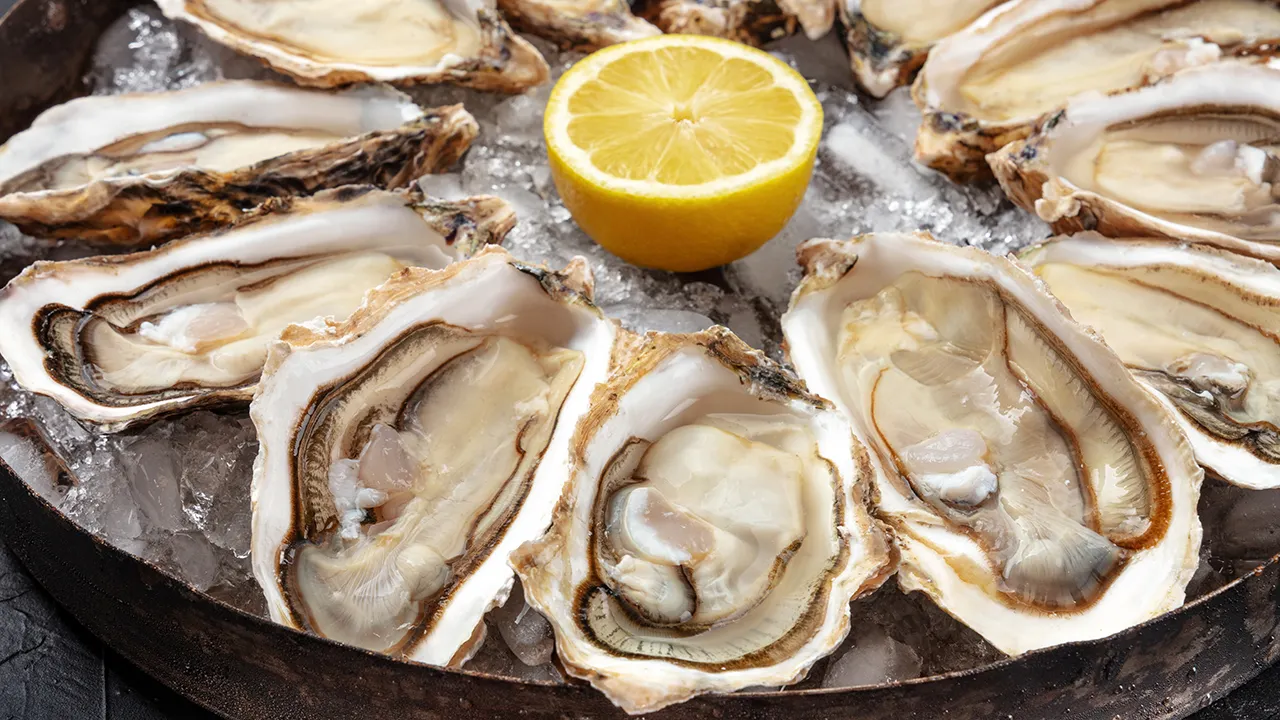
It’s the kind of headline that makes you pause before you order your next dozen raw oysters or wade into warm Gulf waters without a second thought: a fourth person in Florida has died after contracting Vibrio vulnificus, the flesh-eating bacterium so often linked to raw shellfish and brackish seawater. The Florida Department of Health confirmed the latest death in its updated count, reporting that the victim was a resident of Broward County, in the southeastern part of the state, and between the ages of 75 and 79. Exactly how this individual picked up the infection remains unclear, and that uncertainty is part of what makes the news so unsettling. Earlier deaths had already been reported in Bay, Palm Beach, and Marion counties, spreading the concern across both coasts and inland. For many people, the story might seem like just another alarming health advisory—something to scroll past. But there’s a deeply human dimension here, one that involves vulnerable grandparents, summer beach trips, and quiet communities where a single infection can ripple through a family and a neighborhood. The death is a sobering reminder that something as simple as eating an undercooked oyster or swimming with a tiny cut can lead to devastating consequences, especially for older adults and those with weakened immune systems. Health officials are not saying the Broward victim had a pre-existing condition, nor are they saying exactly what led to exposure, but the pattern is familiar: Vibrio vulnificus tends to strike hardest at those who are already fighting other battles with their health.
To really understand what happened, it helps to know the character of this microorganism. Vibrio vulnificus is not an exotic invader or a rare mutant bug; it’s a naturally occurring bacterium that lives in warm, brackish seawater, the kind found along the Gulf Coast, in estuaries, and in tidal rivers where salt and freshwater mix. It has likely been there for millennia, thriving in the same waters where people swim, fish, and harvest shellfish. The infection it causes is called vibriosis, and the most common route of infection is through food—specifically, eating raw or undercooked shellfish, particularly oysters. The Florida Department of Health makes this plain on its website: “Most people get vibriosis by eating raw or undercooked shellfish, particularly oysters.” But there is another route that is just as dangerous, and perhaps more unnerving for beachgoers: the bacterium can enter the body through an open wound when a person wades or swims in contaminated water. A paper cut, a scrape from a rock, a fresh tattoo, or even a small blister can become a gateway for this organism to invade deeper tissue. What makes Vibrio vulnificus so fearsome is not just that it causes an upset stomach or a mild skin rash. In some cases, it can trigger a raging bloodstream infection that destroys tissue, leading to necrotizing fasciitis—the so-called “flesh-eating” disease—which may require emergency surgery, intensive antibiotic treatment, and in the most dire situations, amputation. The word “flesh-eating” is enough to make anyone shiver, but the reality is that most people who encounter Vibrio vulnificus will not die. Yet for those who are unlucky or vulnerable, the consequences can be catastrophic and swift.
The numbers in Florida tell a stark story, one that public health officials have been tracking carefully for years. As of the latest count, Florida has reported 21 cases of Vibrio vulnificus in 2026. That may seem small compared to other health threats, but it represents a troubling and persistent pattern. Looking back over the last decade, the years 2022 and 2024 stand out as particularly deadly: in 2024, Florida recorded 82 cases and 19 deaths; in 2022, the state saw 74 cases and 17 deaths. Those are not just statistics. Each number represents a person who went to a hospital or a clinic, a family that received a terrifying diagnosis, and a community left mourning a loss that might have been prevented. What explains the spikes? State officials point to an unusual factor: the impact of major hurricanes, specifically Helene and Ian. When storms like these roar ashore, they leave behind flooding and stagnant water—exactly the kind of warm, brackish environment where Vibrio vulnificus can multiply and come into closer contact with human activity. In the aftermath of a hurricane, people are often wading through floodwaters, working to repair their homes, clearing debris, and dealing with cuts and scrapes they might not notice. That combination—standing water, open wounds, and compromised communities—creates the perfect recipe for infection. It’s a cruel postscript to an already traumatic event: after surviving the wind, the surge, and the loss of property, residents may face a new invisble threat lurking in the water left behind. This is why health officials keep returning to the same message: severe weather and flooding are not just structural disasters, but public health emergencies that can leave lasting scars in the form of infectious disease.
For those who become infected, the experience can be terrifying. Healthy individuals, especially younger ones with intact immune systems, often develop only a mild illness—perhaps diarrhea, stomach cramps, or a low-grade fever that passes in a few days. But for people with chronic liver disease, diabetes, kidney problems, immune disorders, or those taking medications that suppress immunity, Vibrio vulnificus can turn deadly fast. The Florida Department of Health is blunt about the risks, noting that bloodstream infections caused by this bacterium are fatal in about half of all cases. A recent study, they say, found that people with pre-existing medical conditions were 80 times more likely to develop Vibrio vulnificus bloodstream infections than healthy people. That is a staggering number, and it should give pause to anyone with a chronic condition who loves oysters or spends time in coastal waters. The symptoms of a severe infection are hard to ignore: high fever, chills, a dangerous drop in blood pressure that signals septic shock, and blistering skin lesions that spread and darken as tissue begins to die. In some cases, the infection attacks the limbs and requires amputation to save the patient’s life. It is the kind of medical emergency that can spiral from “I don’t feel well” to “I’m fighting for my life” in a matter of hours. One related story that circulated in the news involved a mother who initially dismissed her symptoms as the flu—only to be rushed to the hospital with sepsis. Her story is echoed in emergency rooms along the Gulf Coast, where doctors know that timing is everything. If you wait too long, a treatable infection becomes a fatal one. That is why health officials are so emphatic: if you have eaten raw shellfish or been in brackish water and develop a fever, chills, or a wound that suddenly looks angry, red, or swollen, do not wait. Go to the emergency room and tell the doctor about your exposure to Vibrio vulnificus. The words might save your life.
Florida is not the only state wrestling with this threat. The entire Gulf Coast shares the same warm waters, the same seafood culture, and the same vulnerabilities. Louisiana, for example, has reported 15 cases and six deaths this year as of September 9, according to the Louisiana Department of Health. Of those, fourteen cases were attributed to wound or seawater exposure, underscoring that this issue is as much about beachgoers as it is about oyster lovers. Texas, a state that sees its fair share of coastal recreation and seafood consumption, typically averages about 33 cases a year, according to the Texas Department of State Health Services. Mississippi has reported three cases as of August, a smaller number but no less significant for the families involved. These statistics paint a picture of a regional issue that is both sporadic and persistent. Some years are quiet, with a handful of cases; other years, like 2022 and 2024, the numbers spike dramatically. The unpredictability is one of the most difficult aspects for public health officials to communicate. There is no way to tell by looking at the water whether Vibrio vulnificus is present, and there is no way to know whether a particular oyster is contaminated. The bacterium is simply part of the ecosystem, and the risk can vary by season, temperature, salinity, and recent weather. What is consistent, however, is the need for awareness. People who live along the Gulf Coast have grown up with warnings about this bacteria, but tourists and visitors may not be as informed. A traveler from a northern state might order a platter of raw Gulf oysters without any idea of the risk, or might go for a swim with a fresh tattoo or a small cut, unaware that the brackish water they are splashing in is a natural home for a potentially deadly organism.
So what should we take away from this news? Not panic, but precaution. For most people, the chance of contracting Vibrio vulnificus remains low, and the disease is still relatively rare compared to other foodborne and waterborne infections. But the consequences are so severe, and the fatality rate so high in vulnerable populations, that a little common sense goes a long way. If you are elderly, have a chronic illness, or have a weakened immune system, avoid eating raw oysters and other raw seafood entirely—not just in Florida, but anywhere along the Gulf Coast. Cook shellfish thoroughly, and be aware that alcohol, lemon juice, and hot sauce do not kill bacteria. If you have any open wound, cut, scrape, or puncture—including the healing site of a recent piercing or tattoo—stay out of seawater and brackish water. Always wear protective footwear when wading or walking along the shore, and promptly rinse and clean any cuts that occur during beach activities. And perhaps most importantly, pay attention to your body. If you become ill after eating raw shellfish or after being in coastal waters, with symptoms like fever, chills, vomiting, or a skin wound that is rapidly worsening, seek medical care immediately and mention Vibrio vulnificus by name. The bacteria may be part of the natural landscape, but it is not invincible—early diagnosis and aggressive treatment can make the difference between a bad memory and a tragedy. In the end, these stories from Florida, Louisiana, Texas, and Mississippi are not meant to scare us into never enjoying the ocean or never eating seafood again. They are meant to remind us that nature deserves respect, that our bodies are not invincible, and that a few simple precautions can help keep ourselves and our loved ones safe. The fourth death in Florida is a sorrowful reminder of that truth, and the best way we can honor those lost is by staying informed, staying watchful, and being willing to ask the question health officials have been asking for years: is it worth the risk? Sometimes the safest answer is no.