




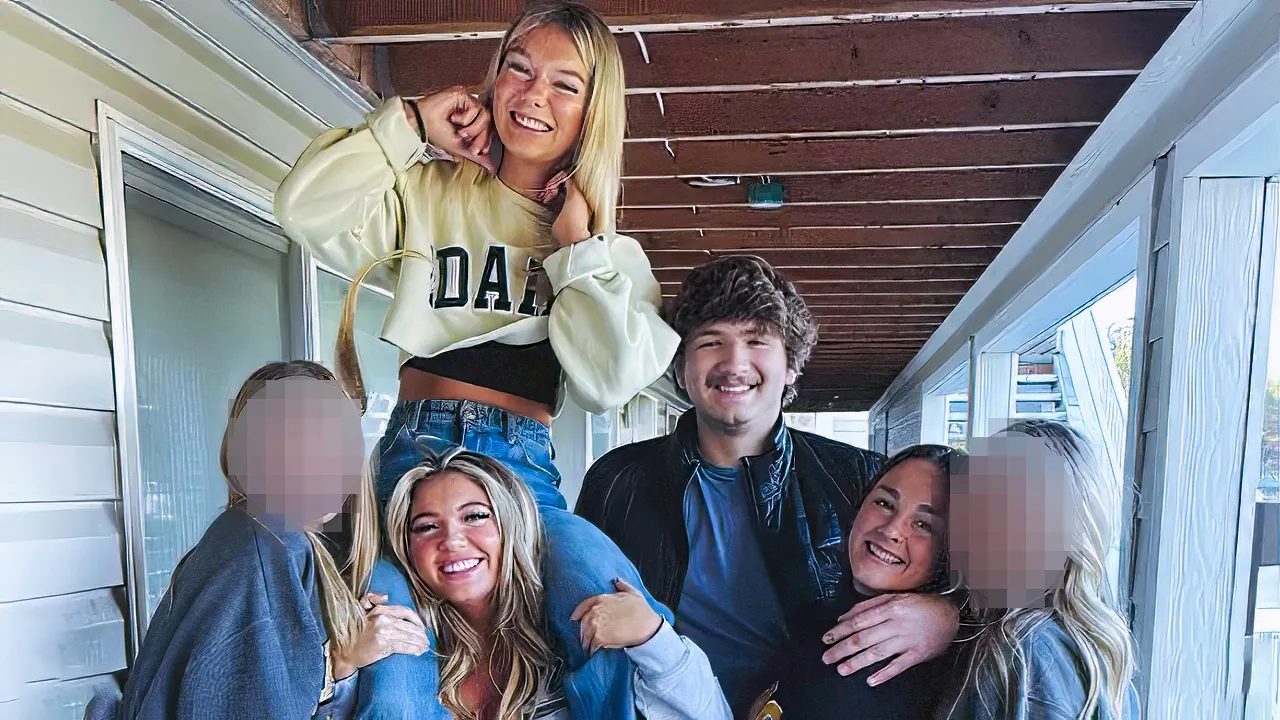
The electric, high-stakes atmosphere of CrimeCon Las Vegas is a place where the darkest corners of human behavior are dissected by those who have spent their lives hunting monsters. Among the sea of true-crime enthusiasts and legal experts stood Kelly Siegler, a legendary former Harris County, Texas prosecutor whose formidable reputation precedes her. With a staggering, flawless career record of sixty-five convictions in sixty-five murder trials, Siegler is not someone who yields to sensationalism or defense-attorney bluster. When asked about the highly publicized, agonizingly tense investigation into the brutal November 2022 killings of University of Idaho students Madison Mogen, Kaylee Goncalves, Xana Kernodle, and Ethan Chapin, Siegler offered a perspective that sharply contrasted with the prevailing media narrative of a flimsy, circumstantial state case. For months, the defense team of the accused killer, Bryan Kohberger, had publicly insisted that the prosecution’s evidence was a fragile house of cards waiting to crumble under scrutiny. Siegler, however, dismissed these assertions with the seasoned confidence of a trial lawyer who has stared down the state’s most devious criminals, arguing that Idaho authorities possessed a devastatingly strong, “slam dunk” case from the very beginning—one that would have inevitably ended in a guilty verdict even if Kohberger had never agreed to a plea deal.
The key to the prosecution’s eventual triumph, Siegler explained, lay in their disciplined adherence to investigative silence. In an era dominated by instantaneous digital reporting, voracious social media sleuths, and intense public pressure for immediate answers, the Latah County team consistently chose to play their hand in total secrecy. Aside from a minor, highly controlled leak of evidence near the conclusion of the case to “Dateline”—an incident that remains under official investigation—investigators and prosecutors resolutely kept their cards tucked tightly against their chests. According to Siegler, this absolute media blackout was not a sign of procedural hesitation or lack of evidence, but rather a masterclass in quiet, methodical case-building. While the public and the defense speculated wildly about the gaps in the timeline and the validity of the state’s narrative, prosecutors were quietly assembling an ironclad, multi-layered profile of digital forensics, cell phone location data, and physical evidence. This calculated silence left the defense with very little room to maneuver, ultimately forcing Bryan Kohberger to abandon his insistence on a trial and plead guilty in July 2025. This deal spared him the death penalty but secured four consecutive life sentences without the possibility of parole, plus an additional ten years, ensuring he will never again walk free.
Even after the plea was entered, the case continued to generate significant friction in the public eye, particularly regarding the primary physical link tying Kohberger to the crime scene: a Ka-Bar knife sheath recovered next to the bodies of Madison Mogen and Kaylee Goncalves, which bore a single source of male DNA. Brent Turvey, a prominent forensic scientist and criminologist hired by the defense, sought to disrupt the narrative of an flawless state case by raising loud objections to the physical chain of custody surrounding the sheath, claiming the evidence could have been compromised. Yet, in an extraordinary turn of events that signaled deep internal divisions within the defense camp, Kohberger’s own former attorneys—Anne Taylor, Elisa Massoth, and Bicka Barlow—issued a rare, stunning public rebuke of their own hired expert. The lawyers declared that Turvey had violated his strict confidentiality agreement and was speaking publicly on sensitive topics entirely outside his professional expertise. To Siegler, this public fracturing of the defense’s strategy was proof that the state’s physical evidence was far too substantial to challenge. Despite any technical or procedural arguments Turvey attempted to leverage, the underlying reality remained unchanged: Kohberger’s DNA was on that sheath, and the defense possessed no realistic, credible way to explain its presence to a jury.
Beyond the forensic debates, the plea deal generated intense emotional unrest among the victims’ families and the general public, primarily due to the complete lack of a formal allocution, or a detailed confession, from Kohberger during his sentencing. Many observers felt robbed of the truth, holding onto a deep-seated hope that the killer would be forced to stand before the courtroom and recount the exact sequence of events, explaining the chilling motives behind his actions. Siegler, however, fiercely demystified this expectation, labeling it a romanticized trope born of television courtroom dramas rather than a reflection of real-world criminal justice. In her extensive career prosecuting violent offenders, Siegler has observed that sociopathic killers rarely, if ever, experience sudden bursts of genuine remorse or offer authentic confessions. Instead, when forced to speak, they routinely utilize the opportunity to peddle self-serving lies, minimize their actions, and manipulate the narrative to maintain some semblance of control. Latah County Prosecutor Bill Thompson shared this pragmatic assessment, indicating that he intentionally chose not to demand an allocution because he knew Kohberger would simply use the platform to fabricate a dishonest narrative, further traumatizing the families.
This legal pragmatism did little to comfort the grieving families of the four young victims, some of whom openly opposed the plea agreement because it eliminated the possibility of execution and denied them the answers they so desperately sought. Siegler expressed deep empathy for the families’ frustration, arguing that while the prosecution made the correct, legally sound decision by locking in a guaranteed conviction without the threat of a decades-long appeal process, they could have managed expectations far more transparently. The state, she suggested, should have prepared the families early on for the cold reality that Kohberger would never provide them with the closure they desired. One only had to look at Kohberger’s demeanor during his sentencing—where he sat utterly emotionless, staring blankly at the families as they wept and read their devastating victim impact statements—to know that he was incapable of offering genuine remorse. His cold, stoic expression confirmed that he would never look his victims’ loved ones in the eye and explain why he took their children’s lives, making any attempt at forced allocution a pointless and painful exercise in futility.
In the broader context of modern true-crime culture, Siegler warned that the insatiable public appetite for unresolved mysteries can create a toxic environment of runaway speculation, citing the ongoing, highly publicized search for Nancy Guthrie in Arizona as another example of media sensationalism. When law enforcement agencies maintain necessary investigative silence, the public and media commentators often rush to fill the informational void with unsubstantiated rumors, a trend Siegler described as deeply damaging to the integrity of the justice system. For a professional prosecutor, the boundaries of reality are strictly defined by admissible evidence and verified facts; stepping into the realm of speculation, even momentarily, destroys a prosecutor’s credibility in the eyes of the court and the jury. The resolution of the Idaho student murders stands as a powerful, enduring testament to the importance of keeping one’s head down and sticking to the facts. Underneath the clamorous noise of social media speculation and defense posturing, a team of dedicated, silent investigators built a case so undeniable that even a calculating killer had no choice but to surrender his freedom forever.