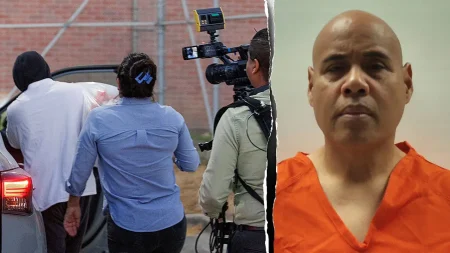







The Fall of a High-Flying Political Aide
Behind the polished press releases and high-level communications strategies of the American political elite lies a human story of struggle, success, and, sometimes, a devastating fall from grace. Adam Fetcher, a 42-year-old former deputy national press secretary for the Obama administration, recently became the center of a tragic controversy in Minneapolis. Fetcher, who had successfully transitioned from the halls of federal power to senior roles at major corporations like Lyft, Rivian, and Patagonia, was earning a comfortable $186,000 salary as a communications officer for the City of Minneapolis. Yet, beneath this veneer of professional achievement, a quiet and destructive battle with addiction was unfolding—one that would ultimately cost him his career, his reputation, and his freedom.
A Desperate Spiral in the Workplace
The crisis came to a head when Fetcher returned to his city job following a weeks-long, employer-approved stay in a rehabilitation facility. Rather than finding a sustainable path to recovery, he allegedly spiraled into desperation, turning on the very colleagues who worked alongside him. According to internal city communications and police investigations, Fetcher began pilfering cash, debit cards, and credit cards from his coworkers’ personal belongings in Minneapolis city offices. Between mid-May and June, several employees reported missing funds and unauthorized transactions, creating an atmosphere of confusion and betrayal in a government department that Fetcher was supposed to be leading and organizing.
The Trail to a Local Smoke Shop
The investigation into the thefts quickly led authorities to a tobacco and vapor shop located less than a mile from Fetcher’s home. Store surveillance captured him using a stolen card from a coworker’s purse to make a $481 purchase of kratom—an herbal supplement often sought out by individuals trying to manage opioid withdrawal symptoms, though it carries its own significant risks of dependency. The staff at the smoke shop became suspicious after an employee called to report unauthorized charges on her card. When Fetcher returned to the shop on a later date, alert employees confronted him directly, telling him they knew what he was doing. They took photographs of him, followed him outside, and noted his license plate number, providing crucial evidence to the police.
Swift Actions and Quiet Departures
On July 1, the City of Minneapolis officially terminated Fetcher’s employment. In an email sent to staff, City Operations Officer Margaret Anderson Kelliher praised the reorganization of the communications department under Fetcher’s leadership but remained vague about the sudden nature of his departure. In a subsequent, more candid memo to staff, Kelliher addressed the series of thefts directly, assuring employees that the city took the allegations seriously and had taken decisive action. While she refrained from naming Fetcher or detailing the active criminal investigation, she reassured the staff that the immediate threat of theft within the offices had been resolved, leaving a stunned department to process the betrayal.
The Weight of Public Accountability
Now, the focus of Fetcher’s story shifts from a workplace HR crisis to a legal battle, as the Hennepin County Attorney’s Office actively reviews the evidence gathered by investigators to determine chemical dependency-related theft charges. Reaching out to Fetcher’s legal representation and county prosecutors has yielded little public comment, but the weight of the evidence—ranging from surveillance footage to eyewitness accounts and vehicle tracking—points to a heartbreakingly clear narrative. Fetcher’s fall highlights the immense pressure, secrecy, and desperation that often accompany addiction, proving that even those with prestigious backgrounds, high salaries, and protective networks are not immune to the devastating realities of substance abuse.
A Somber Lesson on Addiction
Ultimately, this incident serves as a stark reminder of the human cost of the opioid epidemic and the complex nature of recovery. Despite having access to executive-level employment, rehabilitation resources, and a high-status livelihood, Fetcher was driven to jeopardize everything for a temporary reprieve from withdrawal. As the legal system prepares to address his actions, his story leaves behind a trail of violated trust among his former colleagues and a sobering lesson about how quickly a life dedicated to public service can be dismantled by personal struggle.