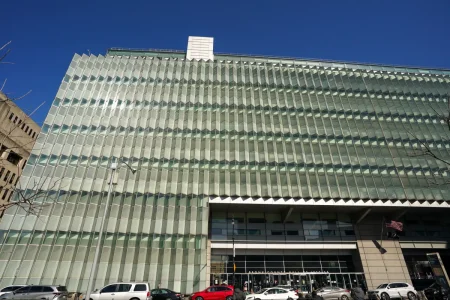







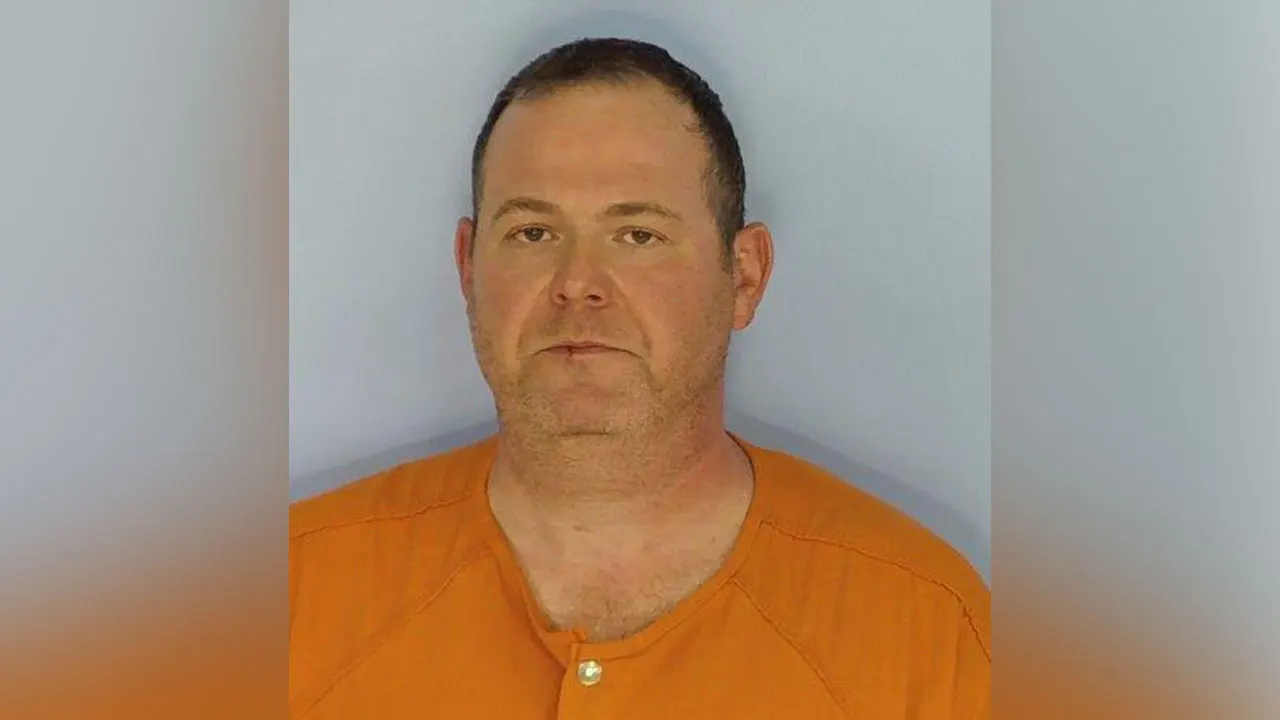
In the quiet coastal town of Miramar Beach, Florida, a routine surgery turned into a nightmare, shattering lives and exposing the fragility of trust in medicine. Dr. Thomas Shaknovsky, once a respected surgeon, now faces unimaginable consequences after a procedure gone disastrously wrong. It’s a story that reminds us how even the smallest mistakes in the operating room can lead to irreversible heartbreak, leaving families to grapple with sudden loss and unanswered questions.
The patient, 70-year-old Bill Bryan from Muscle Shoals, Alabama, went into Ascension Sacred Heart Emerald Coast Hospital expecting a laparoscopic splenectomy—a surgical tweak to remove his spleen and improve his health. Little did he know, it was his liver that was excised instead, leading to catastrophic blood loss right on the operating table. Bill, a grandfather with dreams of more fishing trips and family gatherings, succumbed that day in 2024. His death wasn’t just a medical error; it was a human tragedy, ripping through his loved ones who were left to mourn a life taken too soon.
Prosecutors allege Dr. Shaknovsky’s actions crossed into criminal territory, charging him with second-degree manslaughter under Florida law. A Walton County grand jury handed down the indictment, stating his conduct in the OR was negligent and unlawful. Sheriff Michael Adkinson, a steadfast guardian of justice, emphasized following the facts no matter where they lead, his voice heavy with empathy for Bill’s family. “Our thoughts remain with the victim’s family and their unspeakable loss,” he said, conveying a community united in sorrow and resolve.
This wasn’t a isolated slip for Dr. Shaknovsky. Court documents reveal a pattern of errors, including a previous case in 2023 where he mistakenly removed part of a patient’s pancreas instead of an adrenal gland, causing long-term harm. When confronted, he fabricated excuses about the gland having “migrated,” a deception that undermines the sanctity of medical oaths. Regulators saw a reckless pattern endangering public safety, leading to suspensions of his licenses in Florida, Alabama, and New York. It’s a cautionary tale of how pride and denial can blind professionals to their own flaws.
As the legal wheels turn, Dr. Shaknovsky sits in the Walton County Jail, awaiting his first court appearance. If convicted, he could face up to 15 years behind bars, a stark punishment for a profession built on healing. Bill’s story stirs our humanity, prompting reflections on accountability and compassion in healthcare. Families like his deserve justice, not just for closure, but to ensure such horrors don’t repeat.
In a world hungry for heroes, this saga highlights the real people behind the headlines—the surgeon who fell, the patient who trusted, and the loved ones picking up pieces. As investigations continue, we cling to hope that lessons learned will forge a safer path forward, honoring Bill’s memory by demanding better safeguards against human error.