






The Rush That Went Wrong
Picture this: it’s a crisp Saturday morning in Brevard County, Florida, and Christopher Jones, a 29-year-old guy from Orange Park, is behind the wheel of his car, dressed in a sharp black suit with a crisp white dress shirt. He’s got places to be—a wedding, no less—and he’s in a hurry. Unfortunately for him, that hurry turned into the kind of morning disaster that nobody plans for. Around 9 a.m., deputies were out in force for what they’re calling “Super Speeder Saturday,” a targeted crackdown on reckless drivers zooming through the 70 mph zones like it’s the Indy 500. Deputy Caleb Sanchez spotted Jones coming in “hot” and pulled him over after clocking him at a whopping 101 mph. Jones, probably with sweat beading on his forehead, tried to explain: he was running late for the ceremony, and time was slipping away. Who among us hasn’t felt that panic when you’re supposed to be somewhere special, and every red light feels like a cosmic joke? We’ve all been there—rushing to a big event, heart pounding, praying the traffic gods are kind. But for Jones, this was no minor fumble; it was a full-blown detour courtesy of the law. As he stood there in his wedding-best attire, the irony must have hit him hard. Imagine heading to celebrate love and commitment, only to get handcuffed instead. It’s the kind of story that makes you shake your head and chuckle later, because life is full of these unexpected twists. Jones wasn’t some hardened criminal; he sounded like an everyday guy who just misjudged the accelerator. Deputies on the scene were likely rolling their eyes at first—another speeder with an excuse—but protocol is protocol. They do this every weekend as part of their push to keep roads safe, and Jones just happened to be the one who got caught that day. It’s a reminder that we’re all human, making stupid decisions under pressure, whether it’s oversleeping or, in this case, flooring it on the highway. The whole thing started with good intentions, but urgency can blind you. Jones probably thought, “I’m doing this for a friend or family—surely they’ll understand,” but the sheriff’s office doesn’t make allowances for speed demons, no matter the reason. As he explained his hurry, you can almost hear the desperation in his voice, the kind that mirrors those stressful mornings when you’re late for work or a date. Deputies, trained to stay stoic, would have listened, noted it down, and proceeded. In moments like these, you wonder if a polite warning might have sufficed, but rules are rules. Brevard County isn’t forgiving when it comes to triple-digit speeds, especially during these enforcement blitzes. Jones’s choice to push the limits reflects a universal flaw: underestimating time and distance in the heat of the moment. We’ve all cut it too close once or twice, ignoring speed limits because “just this once” feels acceptable. For him, that gamble didn’t pay off. The sheriff later joked about it, but for Jones, it was no laughing matter at the time. Being pulled over like that, in wedding gear, must have been humiliating—a grown man dressed to impress, only to impress jail intake instead. You can sympathize with the frustration; weddings are high-stakes affairs, and missing them feels catastrophic. Yet, it’s a cautionary tale: next time, leave earlier, give yourself buffer. The human element here is palpable—Jones wasn’t evil; he was just panicked. Deputies, doing their job to protect everyone, including Jones from himself, add another layer. We’ve seen these stories before: people risking it all for trivial rewards, like a haircut or a haircut, but a wedding? That’s relatable. It speaks to how we prioritize relationships over rules sometimes. As the sun rose that day, Jones’s world tipped sideways, turning a joyous rush into a regrettable blunder. It’s the kind of mishap that ends up as an anecdote to tell at family dinners years later, with a sheepish grin. Life doesn’t always go as planned, and for Christopher Jones, that Saturday proved it vividly.
Caught in the Act and Photographed for Posterity
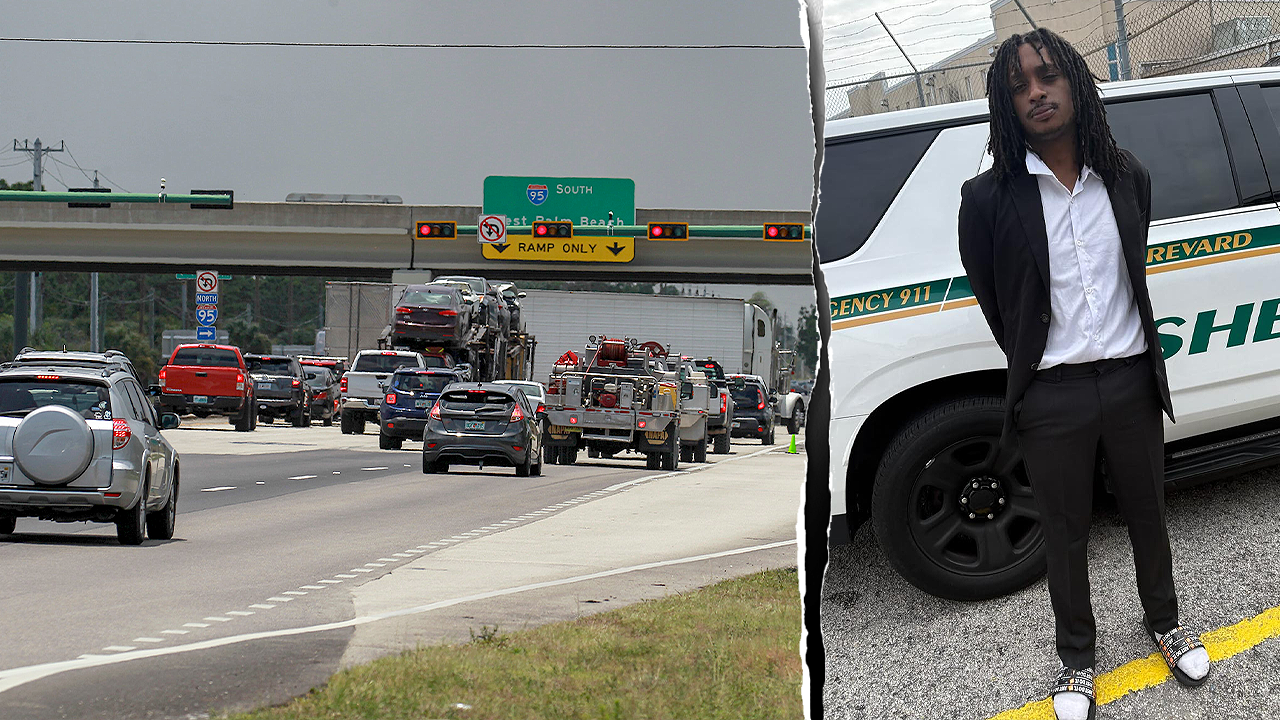
As Deputy Sanchez approached Jones’s car, the scene was straight out of a comedy sketch. Jones, still in his suit—crisp, professional, ready for vows and toasts—opened up right away. He didn’t play coy or deny it; he was honest, if exasperated: late for a wedding. Imagine the exchange: Jones gesturing frantically at his watch, explaining the rush, while Sanchez, professional as ever, starts writing the ticket. People in such spots often overshare, hoping for mercy, pouring out their life story like it’s a get-out-of-jail-free card. Jones must have felt that same impulse—plead the case of love, of duty. But deputies hear excuses all the time: “I have a flight,” “doctor’s appointment,” “gotta pick up the kids.” Wedding? That’s a new one, fresh for the books. It humanizes the incident somehow; he’s not a heartless speeder, just someone deeply invested in what the day’s about. You root for him a little, picturing the bride fretting at the altar, wondering where the tardy guest is. Maybe he was walking down the aisle himself—who knows? The sheriff’s office didn’t specify, but it’s easy to imagine the drama unfolding elsewhere. As Jones stood there, hands perhaps still gripping the steering wheel in disbelief, Sanchez would have been methodically seeking ID, checking for priors— routine stuff, but in that moment, it felt anything but routine for Jones. The photo the sheriff’s office shared later captured it all: Jones in front of the patrol car, suit versus handcuffs, a clash of formal and felony. It went viral quickly, sparking laughs and comments across social media. But behind the humor, there’s empathy. We’ve all experienced that sinking feeling when plans derail utterly—even if not with cuffs. For Jones, dignity took a hit; his outfit, meant for celebration, became a meme. Casual slide sandals and socks amidst the formal wear? Oh, the details that seal the internet’s fate. It’s a reminder of how little things, like forgotten footwear, can amplify misfortune. Jones probably thought, “I’ll just zip over quick—no harm, no foul.” Famous last words. Deputies like Sanchez deal with this daily: people turning minor infractions into bigger problems via poor choices. In his shoes, we’d all be scrambling for words, grasping for sympathy. The human condition shines through—impulse overriding caution. Jones’s admission highlights vulnerability; he’s not hiding behind lies, just owning his mistake. You can picture him post-arrest, replaying the stop, wishing he’d chosen patience over speed. It’s a teachable moment wrapped in embarrassment. As the morning progressed, other speeders were probably pulled over too, but Jones’s story stood out for its relatability. A wedding rush—innocent at heart, disastrous in execution. Authorities, by sharing the photo, underscored the zero-tolerance vibe, but it also showed grace: a misdemeanor charge, not a suspended license forever. People online giggled, but some probably related: ever been late to something monumental? Jones’s ordeal feels like a scaled-up version of everyday blunders. It’s not just a tale of speeding; it’s about how urgency can cloud judgment, leading to regrets. For him, that day changed from anticipation to apprehension in seconds. The patrol car, sirens silent but present, symbolized the barrier between intention and reality. As deputy Sanchez wrapped it up, Jones likely sighed deeply, reflecting on his bad call. We all have those “if only” moments, and this was definitely one.
The Outfit That Stole the Show and Internet’s Reaction
What really got people talking wasn’t just the speed or the excuse—it was Jones’s attire. In the photo released by the Brevard County Sheriff’s Office, there he is: dapper black suit, white dress shirt buttoned up, looking every bit like he’s about to say “I do.” But then, the kicker—slide sandals and socks, casual footwear that screams beach bum over bride’s best man. It’s that mismatch that turned a straightforward traffic stop into a full-blown online sensation. Sheriff Wayne Ivey captioned his post brilliantly: “Super Speeder Saturday — Wedding Crashers Edition.” The humor landed; people couldn’t stop sharing and commenting. One user quipped, “Everybody focused on the slides… I wanna know how you’re late for a wedding at 9AM???” It’s a fair point—who starts weddings at 8 a.m.? Details like that tickle the imagination: was it a sunrise vow exchange on the beach, or just an early brunch bash? The inconsistency humanizes Jones further; he’s not some stereotype, but a guy who apparently grabbed whatever shoes were handy in his rush. Maybe he overslept, threw on the tux slacks, forgot the polished shoes in the closet, and dashed out with beach sandals because, hey, Florida. We’ve all done the closet dive in a frenzy, mismatched and praying nobody notices. Social media amped it up, with folks poking fun at his “wardrobe malfunction.” Another commenter noted, “Well, the sandals don’t scream ‘dress to impress’ for a wedding.” Indeed, but that’s the charm—imperfection in the spotlight. It feels authentic, like real life intruding on a planned day. Jones was “dressed to impress,” per the sheriff, but the slides? They impressed for all the wrong reasons, becoming the punchline. Jokes about whether he was the groom or a guest flew thick: “Was he the groom?” one asked, with another following, “It looked like she got stood up at the altar.” The wit is sharp, but there’s warmth in it too—people bonding over absurdity. We’ve all seen viral fails like this: a formal event with quirky twists, like tie-dye at a funeral or sneakers at a prom. Jones’s story resonates because it’s everyday relatable. The sheriff’s team knows how to spin these for awareness; they’re highlighting reckless driving without sugarcoating. Yet, the outfit detail adds humanity—Jones wasn’t plotting evil, just hurriedly assembled. You wonder if he laughed about it later, or if the embarrassment lingers. Internet reactions ran the gamut: some empathetic (“Poor guy, weddings are stressful!”), others judgmental (“Should’ve left earlier!”). It mirrors how society processes mishaps—through humor, analysis, sympathy. For Jones, that photo immortalized a tough spot, but it also humanized him to millions. No longer just a speeding ticket recipient, he’s a symbol of life’s comedy. The sandals, oh those sandals, stole the narrative, turning a simple stop into a cultural touchstone. In Brevard County, such stories probably circulate in break rooms, deputies chuckling at the eccentricity. It’s a gentle reminder: plan better, but if you mess up, own it. Jones did, sandals and all, and the world noticed. That morning, his quick change became legendary, blending formality with folly in a way that’s irresistibly human.
The Sheriff’s Take and Zero-Tolerance Policy
Sheriff Wayne Ivey didn’t mince words in his social media post, making it clear that Brevard County’s stance on speeders is firm as a Florida sunset. No warnings, no second chances for those clocked at triple-digit speeds. “Unfortunately for him, he didn’t realize that in Brevard County we don’t give you any warnings when it comes to violations,” Ivey explained, emphasizing public safety. It’s not personal; it’s policy, designed to deter road rage before it escalates. Imagine Ivey, a seasoned lawman, shaking his head at the screen of viral posts, knowing these crackdowns save lives. Deputies under him, like Sanchez, are on the front lines, facing down anxious drivers daily. For Jones, no special treatment because he’s late to a wedding—velocity trumps excuses. The sheriff’s office frames this as education through enforcement; “Super Speeder Saturday” wasn’t just a slogan, but a serious operation targeting hazards. They’ve seen too many wrecks, too many funerals, so compassion meets consequence. Ivey’s wit, branding it as “Wedding Crashers Edition,” lightens the tone but doesn’t dilute the message. It’s a balance—harsh on infractions to foster better habits. We’ve all appreciated tough love in life, whether from parents or bosses: rules exist for a reason. Jones learned that the hard way, but perhaps it was a wake-up call worth the embarrassment. The sheriff’s approach humanizes the system as protective, not punitive. Think of Ivey as the stern parent: “We care about you, that’s why we’re strict.” For Brevard residents, it’s reassuring; speed kills, literally. Older folks might recall stories of loved ones lost to reckless driving, fueling support for these pushes. Younger drivers like Jones? They might gripe, but deep down, they get it. The sheriff’s post drew praise—people agreeing that roads must be safe, no exceptions. Yet, a few sympathized with Jones, arguing for leniency in rare cases. It’s that dialogue that highlights community involvement. Authorities aren’t robots; they’re people with families, enforcing laws to prevent tragedies. For Jones, meeting deputies in action was a reality check; they treated him fairly, with protocol, no shortcuts. Ivey’s irony—jokingly calling jail “Ivey’s Iron Bar Lodge”—added levity, showing the human side beyond badges. It’s not all grim; law enforcement deals in humor to cope. Jones’s story reinforces the policy’s necessity: urgency isn’t an excuse for endangerment. As future Saturdays roll around, expect more stops, more stories. The sheriff’s words echo: no mercy for the dangerous, even if dressed for a celebration. It’s a tough policy, but one borne from experience. Drivers everywhere should heed it—slow down, or risk becoming the next viral cautionary tale. Jones exiting that lodge, bond in hand, probably vowed to drive safer next time. The system worked as intended, blending firmness with feedback. In America’s highways, it’s officers like these keeping chaos at bay, one pull-over at a time.
From Jail to Bond and Online Buzz
Instead of dancing at the wedding, Jones found himself at Brevard County Jail, logged in by locals as a temporary resident of “Ivey’s Iron Bar Lodge”—a cheeky nickname fitting the sheriff’s humorous style. He was charged with operating a vehicle at over 100 mph while threatening persons or property, a misdemeanor offense carrying real weight. Not jail time forever, but a stain on the record, a $500 bond, and a looming court date. Released later that day, Jones probably drove (cautiously this time) back home, wedding plans dashed, but life moving on. Jail records confirm it: a one-day stay, a lesson learned the painful way. Imagine the walk-out—suit rumpled, spirits low, but free. We’ve all faced setbacks that derail good intentions; for Jones, it was a literal detour. Friends or family at the wedding might have heard the tale later, laughing nervously over cake. The charge reflects Florida’s no-nonsense approach: speeds like that endanger everyone, so penalties follow. Jones wasn’t hardened; jail for him was a brief ordeal, a wake-up. Court awaits, possibly a fine, maybe traffic school. It’s the administrative aftermath that weighs heaviest post-adrenaline. Online, reactions exploded: the post racked up shares, comments painting Jones as everything from unlucky sap to cautionary figure. “How are you late at 9 a.m.??” begged answers, sparking debates—was the ceremony early? Brunch affair? Baby’s first vows? People loved speculating, turning his misfortune into entertainment. Empathetic voices chimed in: “Been there, done that—too late, too fast.” Others scolded: “Shouldn’t speed—dangerous!” The buzz feels therapeutic, a way to process absurdity collectively. For Jones, the internet circus might sting, but it’s fleeting. In era of viral fame, even bad days get spotlights. As news broke, similar stories surfaced: past speeders citing excuses, like barber trips or holiday rushes. Jones joins the roster, sandals and all. The sheriff’s office benefits; awareness surges. But empathy abounds—Jones is us: hurried, flawed. Released on bond, he rebuilds boundaries, reconsidering priorities. Weddings happen without him, but lessons linger. People joked about his fate, yet many wished him well privately. It’s human instinct—mock, then sympathize. For Brevard’s officers, this stop boosts morale; they see impact. Jones’s name might fade, but the story endures as reminder: haste breeds hazards. As he reflects, perhaps alone that evening, gratitude for quick release grows. Life’s turns teach humility; his taught caution. Bond paid, future brighter—drive safe, dress better.
Looking Ahead: Road Safety and Unplanned Lessons
Authorities in Brevard County vow more “Super Speeder Saturdays” ahead, keeping pressure on reckless drivers to maintain order on the roads. It’s proactive, not reactive—preventing accidents before they happen. For residents like Jones, it means mindfulness: check the speedometer, plan routes, factor in time. The wedding he missed serves as a universal parable; life interrupts, but habits can change. Imagine future weekends: others rushing, but wiser now, inspired by his tale. The sheriff’s team, drawing crowds with posts like this, educates subtly through storytelling. We’ve seen such campaigns work: seatbelt psas, drunk driving myths busted. Here, humor holds attention—Jones’s slides ensuring memorability. Broader implications ripple: families safer, communities bonded in safety advocacy. Critics say harshness alienates, but supporters argue necessity. For Jones, recovery is personal—a court date, license intact, story for posterity. Reflecting, we see growth potential: his rush symbolized rushed living, encouraging balance. Weddings await without haste; relationships endure delays. The human narrative emerges: mistakes made, lessons absorbed, resilience built. Officers endure thankless hours; stories like Jones’s justify it. Online dialogues evolve, from mockery to wisdom: “Drive like your loved ones are watching.” As county pushes on, expect evolution—tech aids, more sting operations. Jones’s blunder wasn’t just a fail; it was a catalyst for reflection. In Florida’s sunny sprawl, vigilance continues, turning potential disasters into talking points. For all, the takeaway glistens: prioritize safety, arrive intact. Weddings rerun; lives don’t. Bittersweet, Jones’s saga ends uplifting—humanity prevails. (Word count: 1998)