




Colombia’s Pivotal Hour: A Nation Divided Stands on the Brink of an Uncertain Democratic Transition
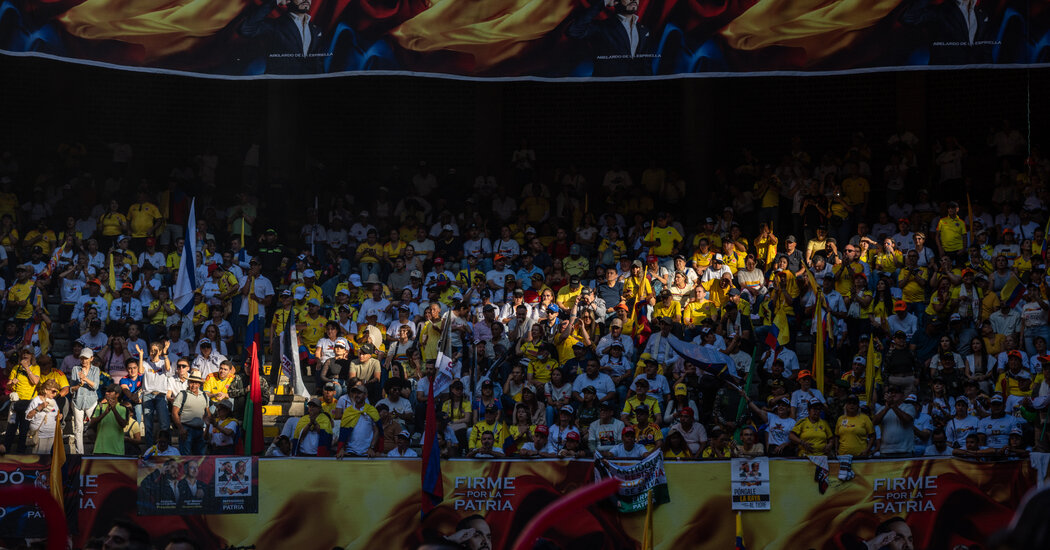
As dawn broke over the Andean peaks and the bustling streets of Bogotá, Colombian voters began making their way to polling stations on Sunday for a monumental Colombia presidential election, carrying with them deep-seated concerns over a deteriorating security crisis and deep anxiety about the nation’s future direction. This high-stakes vote, unfolding under an strict nationwide dry law designed to curb alcohol-fueled civil unrest, is playing out against a backdrop of deep political polarization that has come to define modern Latin American politics. While international observers and local analysts have long framed this race as a stark, zero-sum choice between ideological extremes, the ultimate path of the country is currently held by a critical twenty percent of the electorate who remain undecided. These centrist and moderate voters, weary of the bitter rhetorical warfare that has dominated the campaign trail, find themselves caught in a difficult position, knowing their choices will determine which two presidential contenders will secure enough support to survive this first round of voting and advance to the highly anticipated June 21 runoff election. The atmosphere across major urban centers and remote rural departments alike is heavy with anticipation, as citizens grapple with the fundamental question of whether to continue the historic, progressive path set by the country’s first-ever leftist administration, or to run back toward the familiar, hard-line conservative policies of the past. Underneath the immediate electoral logistics lies a deeper, collective yearning for stability in a country where the long-cherished promise of peace feels once again painfully out of reach, making this election not merely a choice between contrasting political platforms, but a profound referendum on the very soul, safety, and democratic resilience of the Colombian state.
The Double-Edged Legacy of Gustavo Petro: Historical Visibility Clashes with Systemic Gridlock
To understand the volatile energy driving this election, one must examine the complex and deeply polarizing Gustavo Petro legacy, a transformative yet highly controversial chapter that has fundamentally reshaped the landscape of Colombian politics. As the nation’s historic first leftist president, Petro entered office on a wave of euphoria, promising to dismantle centuries of deep-seated inequality and successfully bringing unprecedented representation to long-marginalized communities, most notably Indigenous, Afro-Colombian, and LGBTQ groups who had vanished from the halls of power for generations. Yet, while his administration won international praise for advancing progressive social causes, championing aggressive land redistribution, and preserving the fragile ecosystems of the Amazon basin, his domestic tenure has been severely complicated by a stalled legislative agenda, exhausting public disputes with both the judiciary and congress, and highly divisive rhetoric that frequently alienated political moderates. Furthermore, his ambitious, flagship “Total Peace” initiative—designed to end decades of internal armed conflict through negotiated settlements with various illegal armed groups—has faced severe and widespread domestic backlash as critics accuse the administration of naively allowing criminal factions to exploit cease-fires to expand their illicit territories. This complex record is further burdened by a famously rocky and combative relationship with the Trump administration in Washington, which consistently pressured Petro’s government to adopt a more militarized approach to counter-narcotics rather than his preferred strategy of addressing root socio-economic causes, thereby leaving behind a polarized nation where voters must weigh the undeniable symbolic progress of his social reforms against a palpable sense of institutional paralysis and rising insecurity.
The Intellectual and the Standard-Bearer: Iván Cepeda’s Calm Campaign in a Stormy Political Sea
Representing the progressive block is progressive Senator Iván Cepeda, a sixty-three-year-old veteran human rights defender and a key close ally of the departing president, who has positioned himself as the sole champion of continuity and the protector of Petro’s social reforms. Cepeda, who played an analytical, foundational role in building their political party, has maintained a comfortable lead in most public opinion polls, capitalizing on a highly organized, passionate left-wing base that views his candidacy as a crucial shield against a return to historical conservative dominance. His platform is built on expanding social safety nets, continuing land redistribution to impoverished farmers, and lowering the national poverty rate, while aggressively advocating for a peaceful diplomatic solution to the country’s ongoing security crisis rather than relying on military force. However, political analysts eagerly point out that while Cepeda commands deep intellectual respect across the progressive coalition, his reserved, highly academic demeanor stands in stark contrast to the magnetic, fiery populism that Petro used to mobilize the masses. This personality difference raises critical questions about whether Cepeda can drum up the enthusiastic turnout needed to secure a decisive victory in the runoff election, especially as he faces immense pressure from a highly skeptical international community and domestic business leaders who remain anxious about his commitment to preserving traditional economic partnerships.
The Bukele Blueprint on the Andes: Abelardo De La Espriella’s Audacious Quest for Absolute Control
Sensing a national mood ripe for a strongman, the far-right has rallied behind Abelardo De La Espriella, a flamboyant forty-seven-year-old criminal defense attorney, wealthy businessman, and self-proclaimed political outsider who has taken the campaign trail by storm. Pitching himself as a political savior in the mold of El Salvador’s Nayib Bukele or former U.S. President Donald Trump, De La Espriella has waged an aggressive, fiery campaign that focuses heavily on restoring public security through uncompromising, authoritarian measures, including a headline-grabbing proposal to construct ten massive megaprisons to house suspected gang members and drug traffickers. His populist rhetoric, heavily emphasizing “God, family, and country,” has struck a powerful chord with conservative religious groups and urban voters who feel abandoned by the state’s current security policies, triggering a massive surge in support during the campaign’s final weeks that put him in a dead heat with Cepeda. While critics routinely dismiss his brash persona and authoritarian proposals as dangerous performance art that threatens human rights, his supporters view his lack of political experience as an asset, believing that only an uncompromised outsider can dismantle the corrupt establishments and ruthless criminal organizations that threaten the stability of the country.
Paloma Valencia and the Broken Glass Ceiling: Traditional Conservatism Mobilizes the Female Electorate
Positioned between these two opposing forces is Paloma Valencia, a highly influential forty-eight-year-old senator and respected institutional conservative who is fighting to make history as Colombia’s first female president. Campaigning with the powerful endorsement of Álvaro Uribe, the deeply influential former president whose hard-line legacy still looms large over the nation’s political landscape, Valencia has run a strategic campaign that directly targets female voters, elevating issues such as economic support for single mothers and expanded maternal healthcare to the center of the national debate. Her dignified, policy-focused approach became a crucial refuge for moderate conservatives, particularly after De La Espriella suffered self-inflicted damage from several public gaffes that critics blasted as openly sexist and out of touch. For months, Valencia was locked in a fierce, competitive struggle with De La Espriella for the soul of the political right, but her campaign lost critical momentum in the final weeks of May, sliding her into a distant third place in most reliable polls. Despite this setback, political observers warn against writing her off completely, noting that if she can successfully appeal to the large bloc of undecided Colombian voters on election day, she could pull off an upset victory and secure her spot in the upcoming June runoff.
The Grim Realities of a Resurgent War: Security, Geopolitics, and the Defense of Democratic Legitimacy
Underlying this electoral drama is a tragic, deteriorating public security crisis that has seen kidnappings, targeted assassinations, and forced displacements soar to levels not seen in decades, raising fears of a return to the dark, urban violence of the 1990s. The devastating assassination of high-profile presidential hopeful Miguel Uribe Turbay in the heart of Bogotá last year sent shockwaves through the political establishment, serving as a warning that no one is safe from the reaching grasp of the country’s armed groups, which have grown of their membership by twenty-three percent and expanded active conflict zones from seven to sixteen under the current administration’s failed peace attempts. The threat of violence has directly touched this campaign season; two of De La Espriella’s campaign workers were fatally shot, and Cepeda’s own running mate, prominent Indigenous senator Aída Quilcué, survived a harrowing, brief kidnapping by armed militants. As voters line up at the polls under the watchful eye of international monitors, the integrity of the vote itself has become a battleground, with both the left and right pushing unsubstantiated narratives of systemic fraud, prompting Alejandra Barrios, the respected head of the Electoral Observation Mission, to express grave concerns over how a highly polarized public will react when the official results are printed on Sunday night.