


A Chaotic Friday Night in the Nation’s Capital
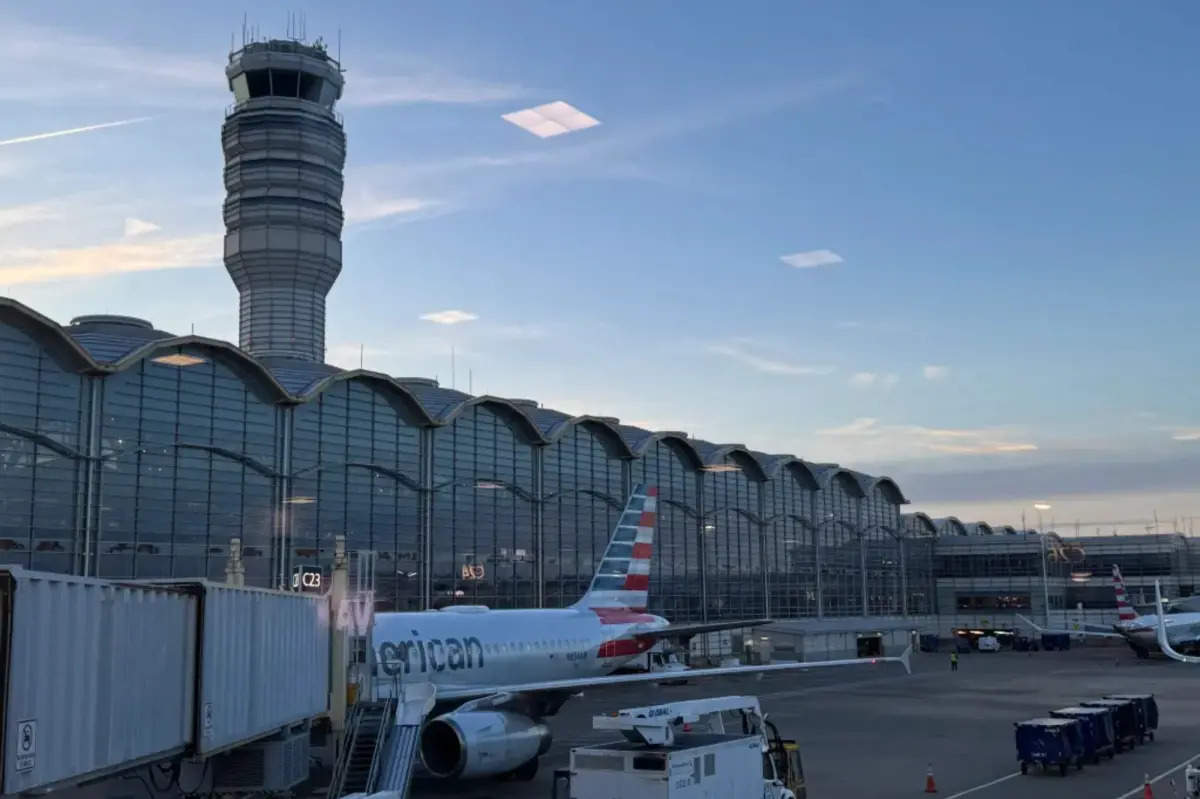
It was a typical Friday evening in the bustling Washington, D.C. area, where the city lights twinkled against the darkening sky and families rushed home for weekend plans. But around 7 p.m., an unexpected disruption unfolded, turning routine airport operations into a state of confusion. Flights at three major airports—Ronald Reagan Washington National, Washington Dulles International, and Baltimore-Washington International—were suddenly grounded. The culprit? A mysterious “strong odor” wafting from an air traffic control center known as Potomac TRACON. For commuters, business travelers, and vacationers alike, this wasn’t just an inconvenience; it felt like the universe had conspired against their meticulously planned evenings. Imagine the scene: weary passengers scrolling through flight status apps, seeing rows of delays and cancellations lighting up their screens. Some were en route to see loved ones, others headed to important meetings over the weekend. Parents traveling with young children pictured the chaos of corralling tired kids in crowded terminals, while pilots and flight attendants braced for an extended night shift. The air, thick with anticipation, now carried an unseen foe, casting a pall over the excitement of travel. This wasn’t the stuff of hurricanes or blizzards; it was an olfactory intruder, subtle yet powerful enough to halt the machinery of air travel. As the story broke on social media and news outlets, people shared anecdotes of similar eerie airport encounters—lingering smells of fuel, antiseptic, or worse. In this moment, the nation’s capital, a hub of politics and power, felt vulnerably human, its skies silenced by something as mundane as a scent. The Transportation Secretary, Sean Duffy, took to X to explain the ground stop, emphasizing that safety always came first. But for individuals on the ground, it was a reminder of how fragile our connections are, how a single, unknown issue could cascade into a web of disrupted lives. Airports, after all, are more than concrete and runways; they’re portals of hope and haste, where dreams of reunions or escapes hang in the balance. That Friday night, as the odor spread, it wasn’t just flights that were suspended—it was the collective pulse of urgency in a city that never sleeps.
Unraveling the Mystery of the Odor
What could cause such a halt? The “strong odor” emanating from Potomac TRACON—a consolidated air traffic control facility—remained vague in the initial reports, sparking wild speculations among travelers and online forums. Was it a gas leak, perhaps natural gas whose faint, sugary smell hinted at something flammable? Or maybe a chemical spill from cleaning agents gone wrong, evoking memories of those dreaded “unknown hazardous materials” alerts? For those familiar with airport life, TRACON stood for “Terminal Radar Approach Control,” a critical nerve center overseeing the airspace of arriving and departing planes. Located near Leesburg, Virginia, this unassuming building housed controllers who juggled hundreds of aircraft each day, their voices crackling over headsets as they directed jets through crowded skies. The odor, described as pungent and lingering by some staff witnesses, seemed to emanate from the facility itself, seeping into the communication lines that kept everything running. Eyewearkers at the airports reported the unusual smell affecting not just the terminals but the control rooms, leading to evacuations in parts of the building. It was a scenario straight out of a thriller: highly trained professionals, their senses alert to the subtleties of radar and radio, now overwhelmed by something as primal as smell. For one controller, who spoke anonymously later, it was like the air turned hostile, thick with an acrid tang that made concentrating impossible. “You rely on your instincts up here,” they recalled, “and when those are compromised, it’s chaos.” Travelers, waiting in the terminals, shared stories of neighbors or acquaintances dealing with similar sensory alarms—perhaps a refrigerator leak at home or a funky sewer smell downtown. Yet here, in the heart of aviation, it posed a real risk. Had the odor signaled a fire hazard or toxic fumes? Officials assured it wasn’t immediately dangerous, but the protocol was clear: halt operations until the source was identified and neutralized. This incident highlighted the unseen vulnerabilities of modern travel, where technology meets human frailty. Potomac TRACON, a beacon for safe skies, became the unwitting villain, transforming professionals into cautious bystanders.
The Ripple Effects on Travelers and Families
As the ground stop stretched into the evening, the human cost began to unfold in personal narratives shared across social media and airport lounges. Take Sarah, a single mother from Baltimore, who’d flown from Dulles to pick up her teenage daughter from the airport—only to find her lobby adorned with a blanket of confusion. Her flight to Chicago was canceled, stranding her with hundreds of others bumping up against the unyielding walls of delay. “I could smell it too,” she posted online later, describing a faint, nauseating whiff that followed her from curb to gate. For families like Sarah’s, air travel was the lifeline reconnecting fractured lives; sudden interruptions meant unplanned motel stays, missed school performances, or delayed medical appointments. Business travelers felt the sting acutely—sales calls turned virtual at the last minute, conferences postponed. Pilots, grounded mid-route, grappled with fatigue and frustration, their meticulous schedules upended by forces beyond control. One airline worker, Maria, recounted her shift: “We were fully loaded, passengers chatting excitedly, when the announcement came. The odor was just a whisper at first, but it grew, making everyone anxious.” Kids in strollers tugged at parents, sensing the unease, while elderly passengers shifted uncomfortably in departure lounges, their medications and rest calling out. The airports, designed for efficiency, became arenas of empathy and exasperation. Stories flowed of strangers helping each other—sharing snacks, phone chargers, or even rental cars amidst the queues. Emergencies crept in: a delayed flight carrying a heart transplant patient, or a couple rushing to a birth. This wasn’t merely logistics; it was lives delayed by an invisible thread. The DC area’s thriving economy, fueled by transients, took notice—hotels filled with the displaced, taxis idled, and the city’s social fabric strained. Yet, amid the turmoil, pockets of creativity emerged: impromptu guitar sessions in terminals, group video calls bridging time zones. The “strong odor” had become a metaphor for life’s unpredictability, reminding us that even in the race against time, human connection endures.
The Role of FAA and the TRACON Facility
At the heart of the operation was the Federal Aviation Administration (FAA), the guardians of America’s skies, swiftly mobilizing to tame the olfactory anomaly. Transportation Secretary Sean Duffy’s statement on X was both assuring and action-oriented: the FAA was “working to address the source of a strong odor coming from Potomac TRACON that is impacting operations at the three airports.” This wasn’t hyperbole; teams of specialists descended upon the facility, armed with air quality monitors, ventilation experts, and safety personnel. Potomac Consolidated TRACON, a 24/7 hub since its consolidation in the 2000s, serves as the traffic cop for Reagan National, Dulles, and BWI, managing over 1.5 million flight operations annually. Its controllers are the unsung heroes, whispering clearances to pilots while tracking radar blips in dimly lit rooms. The odor, they suspected, originated from equipment failure or an environmental intrusion—perhaps a faulty air conditioning unit or seepage from nearby construction. In the days following, investigation teams dissected the site, ruling out major hazards like carbon monoxide leaks, but the sheer volume of their response underscored the facility’s criticality. One engineer, speaking off the record, described the TRACON as a symphony of systems: servers humming, screens glowing, voices harmonizing. Disrupt it, and the melody falters. The FAA’s standard operating procedure kicked in—ground stops to ensure no risky takeoffs or landings. For the controllers inside, it meant brief evacuations and masks, turning their workspace into a makeshift quarantine zone. Duffy’s public briefing was more than bureaucracy; it was a nod to transparency, keeping the public informed as rumors swirled. This event echoed past aviation mishaps, like the infamous tailwinds or GPS glitches, but here, the threat was sensory. Behind the scenes, engineers worked tirelessly, their shifts blurring into overtime, driven by a shared mission: restore normalcy. Families of staffers waited anxiously, accustomed to the unpredictable hours but not the added peril of smells. The TRACON, a symbol of order, highlighted the interplay of technology and humanity—where a scent could challenge the might of aviation infrastructure.
Extending the Reach to Neighboring Airports
The impact didn’t stop at the DC triad; Richmond International Airport in Virginia felt the tremors of the TRACON’s troubles. Duffy noted its inclusion in the ground stop, as shared airspace and coordinated flights created a domino effect. Though not directly under Potomac’s purview, Richmond’s operations intertwined with the affected routes, causing spillover delays and cancellations. For travelers in Virginia, this meant additional hurdles: diverted flights landing in Richmond only to face indefinite waits, or rerouted itineraries straining already tight connections. One Richmond commuter, an elderly retiree named John, described the scene: “I was heading to visit my granddaughter in DC, but ended up stranded in the terminal. The air had this odd twang, like burnt wires mixed with cleaning fluid.” His story resonated with many, painting a picture of regional interconnectedness. Airports aren’t isolated; they’re nodes in a vast network, where a hiccup in one ripples outward. This incident underscored how local issues can globalize—flights bound for Europe or Asia from Dulles faced upstream delays, affecting international passengers. Richmond’s staff, seasoned by similar disruptions, handled it with practiced calm, offering refreshments and updates. Yet, the human toll was palpable: missed holidays, work absences, and the subtle anxiety of uncertainty. Stories emerged of Richmond locals pitching in, sharing rides or delivering forgotten luggage. It humanized the infrastructure—airplanes aren’t just metal beasts; they’re vessels carrying dreams. The ground stop, initially confined, expanded like a scent itself, touching lives far beyond the source. GovSwift coordination between state agencies ensured resources flowed, from extra TSA agents to emergency services. For many, it was a teachable moment on resilience, as strangers bonded over shared frustrations. Richmond, smaller than its DC counterparts, became an unwitting actor in the drama, reminding us that community in aviation extends beyond boundaries.
Reflecting on Recovery and the Future of Air Travel
As dawn broke the next morning, the odor subsided, and flights began trickling back to the skies. The FAA’s diligent work pinpointed and mitigated the issue—likely a minor mechanical glitch in the facility’s ventilation system, posing no long-term danger. Passengers exhaled in relief, their worlds realigning as departures resumed. Yet, the event left an indelible mark, prompting reflections on preparedness and vulnerability. For families reunited after delays, there was gratitude mixed with exhaustion; pilots cited it as a reminder to trust protocols when instincts waver. Duffy commended the teams in a follow-up statement, highlighting collaboration that turned potential disaster into a contained nuisance. Looking ahead, incidents like this spur innovations—enhanced odor detection sensors or AI-driven air quality monitoring in TRACONs worldwide. Travelers shared survival tips online, fostering a sense of empowerment: pack snacks, keep backups, connect virtually when grounded. But beneath the lessons lay empathy for the unsung crew—controllers who returned to their posts, hailed anew for their vigilance. One such individual, reflecting on the night, remarked, “It’s not just about controlling planes; it’s about safeguarding stories in motion.” This episode, born of a simple scent, illuminated the fragility of interconnected lives, urging us to cherish the fluidity of travel. Airports, once again bustling, carried the echoes of a shared ordeal, transforming strangers into storytellers. In a world of constant motion, such moments remind us that even monumental systems hinge on the human element—senses, resilience, and unexpected community. As flights soared anew, the sky over DC felt a little safer, a little more valued. And in that, we found not just recovery, but renewal.