



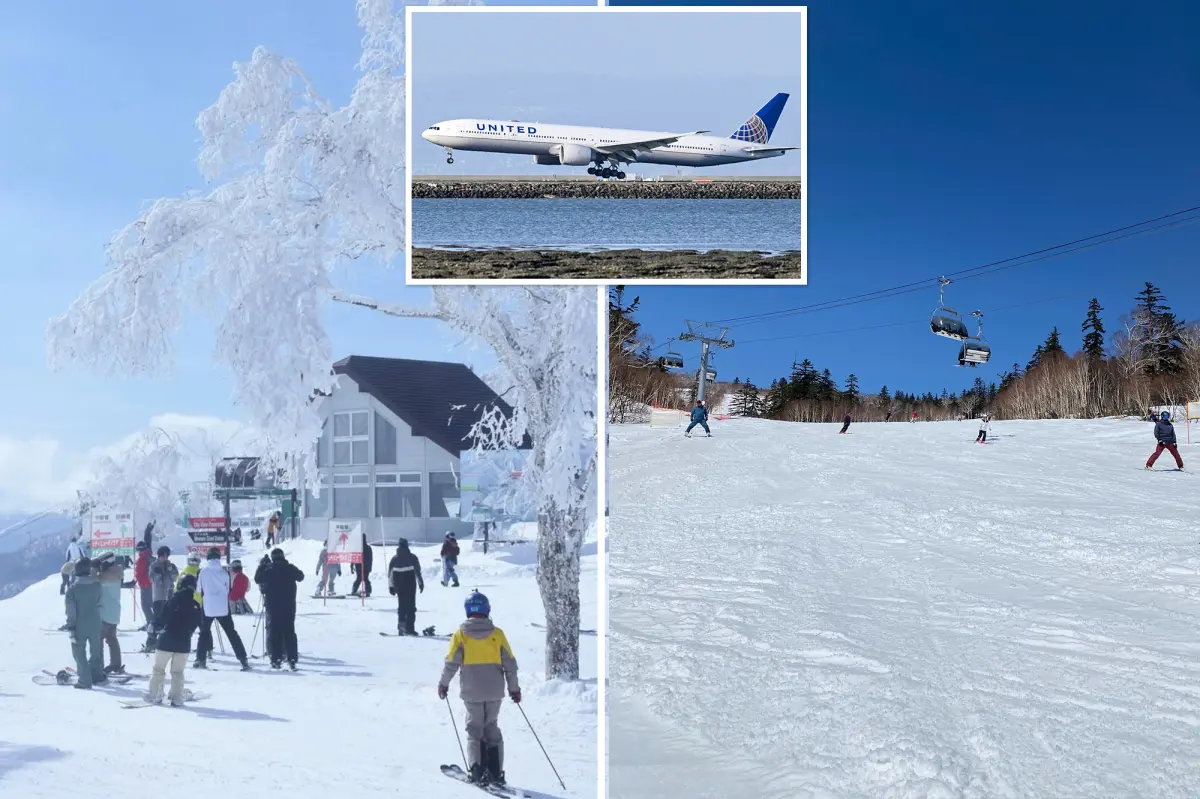
For generations, winter sports enthusiasts have passionately chased the elusive dream of the perfect run—that serene, weightless sensation of carving through untouched, powdery snow beneath a crisp, clear winter sky. For skiers and snowboarders residing in the golden hills of California, this pursuit has historically centered around the majestic peaks of the Sierra Nevada and the breathtaking, deep blue expanse of Lake Tahoe, where local mountains have long served as a cherished weekend sanctuary. However, as shifting climate patterns render domestic winters increasingly unpredictable and dry, a quiet revolution has been brewing among West Coast snow chasers, who are casting their eyes across the vast Pacific toward the mythical, bottomless powder fields of northern Japan, affectionately known in the global community as “Japow.” Japan’s northernmost prefecture, Hokkaido, has achieved legendary status in winter folklore, celebrated for its unique meteorological phenomenon where freezing Siberian winds sweep across the Sea of Japan, picking up moisture to dump mountains of light, dry, fluffy snow onto the northern island. For many American skiers, embarking on a pilgrimage to this snowy sanctuary has long been a dream deferred by the grueling logistics of long-haul travel, typically requiring multiple flights, exhausting overnight layovers in Tokyo, and complex train or bus transfers before finally touching down on the hallowed slopes. The sheer physical effort of dragging heavy ski bags and bulky winter gear through crowded international airport terminals has historically relegated this dream to a once-in-a-lifetime expedition rather than a viable alternative for a seasonal getaway. Yet, the longing for a reliable, world-class winter experience remains stronger than ever, fueled by stories of steaming open-air hot springs, known as onsens, steaming bowls of rich miso ramen after a long day on the slopes, and an unparalleled culture of hospitality that elevates a simple ski trip into a deeply restorative, life-changing journey.
Recognizing this growing passion and the shifting desires of modern travelers who value seamless convenience above all else, United Airlines recently made a groundbreaking announcement that is poised to fundamentally reshape how West Coast adventure seekers plan their winter escapes. Starting in December 2026, the major American carrier will launch the first-ever nonstop flight service connecting the continental United States directly to Sapporo, the vibrant capital city of Hokkaido, taking off from San Francisco International Airport (SFO). This historic route, operating three times a week through March 27, represents a massive leap forward in global travel infrastructure, effectively shrinking the vast distance between California’s bustling tech hub and Japan’s premier winter playground into a single, seamless eleven-hour journey. By bypassing the traditional, time-consuming layovers at Tokyo’s Haneda or Narita airports, United is eliminating the administrative friction and physical exhaustion that once discouraged casual skiers from making the transpacific trek, transforming a complex international voyage into a straightforward, direct route. This bold expansion is a highly calculated move to capture a passionate market of affluent travelers who are willing to exchange a local weekend trip for an immersive, hassle-free international adventure that starts the moment they step onto the plane. Scheduled to run during the absolute peak of the winter season, this seasonal service aligns perfectly with the optimal snow cycles of northern Japan, ensuring that passengers stepping off the Boeing widebody aircraft are greeted by the pristine, legendary winter conditions that have made Hokkaido famous worldwide, creating an unprecedented, direct bridge between the Bay Area’s vibrant culture and Japan’s winter wonderland.
To truly understand the widespread excitement surrounding this new flight path, one must appreciate the sheer magnitude of Sapporo as a winter destination, often described by travelers and locals alike as a true “snow metropolis.” According to the city’s tourism authorities, Sapporo holds the distinct honor of being the only city on Earth with a population nearing two million people that receives an astronomical average of five meters—nearly two hundred inches—of snowfall every single year. This unique combination of urban sophistication and natural abundance creates an unparalleled winter environment where visitors can enjoy the comforts of a bustling, cosmopolitan city featuring world-class dining, shopping, and nightlife, while being just a short drive away from some of the most spectacular ski terrain in the world. The region boasts an impressive array of renowned resorts catering to every skill level, from the steep, challenging slopes of Sapporo Teine—which famously hosted the 1 day of winter sports history during the 1972 Winter Olympics—to the family-friendly trails at Sapporo Bankei, the scenic night skiing at Sapporo Moiwayama, and the powder-rich bowls of Sapporo Kokusai. Beyond the thrills of downhill skiing and snowboarding, the city itself comes alive during the colder months with vibrant winter festivals, giant ice sculptures, and cozy heated underground walkways, allowing travelers to immerse themselves in a rich cultural tapestry that extends far beyond the ski lifts. By day, visitors can conquer deep powder glades, and by night, they can retreat to the city to savor Sapporo’s legendary culinary scene, indulging in local delicacies like fresh snow crab, sizzling Genghis Khan mutton barbecue, and locally brewed beer, creating a holistic vacation experience that rejuvenates both the body and the spirit.
Naturally, such a game-changing travel option comes with practical financial and logistical considerations, which United Airlines has transparently laid out to help eager travelers plan their future winter itineraries and budget for this ultimate bucket-list adventure. The airline has projected that round-trip tickets for this highly anticipated eleven-hour journey will start at approximately $1,500 when the service debuts in the chilly, festive month of December, gradually climbing to around $1,700 by the peak spring-skiing season in March, representing a significant but highly competitive investment for a premium, nonstop international route. This new Sapporo service is part of a broader, aggressive expansion of United’s transpacific network, which also includes the introduction of daily, year-round nonstop flights between Chicago O’Hare and Tokyo-Narita starting in October, cementing United’s position as the leading United States carrier for travel to Japan. Patrick Quayle, Senior Vice President of Network Planning and Global Alliances at United Airlines, emphasized this strategic vision, noting that whether customers are dreaming of skiing in the deep powder of Sapporo, organizing a high-stakes business trip to Tokyo paired with a bit of local cultural exploration, or embarking on a much larger adventure across the Asian continent, the airline is dedicated to providing more direct, convenient pathways than any other domestic competitor. For travelers, this means that the daunting logistics of international travel are being systematically dismantled, replaced by a robust network of flights that prioritize convenience, comfort, and direct access to some of the most desirable destinations on the globe.
For the average California skier, the allure of a seamless flight to Japan is amplified tenfold by the growing frustrations and economic realities of skiing closer to home in the Sierra Nevada range. In recent years, local resorts situated along the California and Nevada border near Lake Tahoe have grappled with the devastating impacts of climate change, characterized by erratic winter seasons, unpredictable snowpacks, and unseasonably warm temperatures that have forced many iconic mountains to shut down their lifts early in the spring. This environmental volatility is compounded by skyrocketing costs, with lift tickets, gear rentals, lodging, and even basic mountain dining reaching exorbitant premiums that make a local ski weekend feel like an exclusive luxury endeavor. Scott Yin, a resident of San Ramon, California, who has increasingly opted to take his winter vacations in Japan, captured this sentiment when he remarked that while Lake Tahoe has traditionally been the go-to destination for local families, the soaring expenses and lack of reliable snow dates have forced many to reconsider their winter habits. Pointing out that Sapporo offers a vastly superior variety of terrain, more consistent snow quality, and surprisingly better overall value even when factoring in the cost of airfare, Yin’s perspective highlights a growing trend of consumers who are realizing that their hard-earned vacation dollars can buy a far more enriching, dependable, and culturally immersive experience abroad than in their own metaphorical backyard.
Ultimately, United Airlines’ bold decision to link San Francisco and Sapporo with a nonstop flight is more than just a routine update to a commercial flight schedule; it is a cultural and economic bridge that democratizes access to one of the world’s greatest geographic wonders. By transforming a grueling administrative travel challenge into a simple, single-flight journey, the airline is empowering a new generation of winter sports enthusiasts, families, and cultural explorers to broaden their horizons and experience the sheer joy of international travel without the typical stress. As we look toward the inaugural flights in December 2026, the anticipation continues to build among those who yearn to trade the crowded, icy slopes of domestic resorts for the bottomless, silent powder fields of Hokkaido, followed by a warm bowl of authentic ramen and a relaxing soak in an ancient volcanic hot spring. This new route symbolizes a future where global boundaries are softened, where a passion for adventure can easily transport a person from the bustling streets of the Bay Area to a snow-shrouded Japanese paradise in a single day, and where the pursuit of the perfect ski run becomes a beautifully accessible reality for anyone willing to dare to dream beyond their borders.