




Sean Michael Lee was not the kind of man who sought the spotlight, but his life radiated a quiet, unstoppable kind of heroism that those closest to him will never forget. When he passed away on Tuesday at the age of fifty, he left behind a legacy measured not in medals or headlines, but in the countless lives he touched through a lifetime of selfless action. The cause of his death was cancer, the result of exposure to toxic burn pits during his deployments in the Middle East, a cruel irony for a man who spent his entire existence giving to others. His friend Steven Rozina, now the deputy chief operating officer for the Independence Fund, a nonprofit dedicated to supporting wounded veterans, remembered Sean with a mixture of grief and gratitude. “His entire life was in service to others. Up until the very end, Sean was always thinking of others,” Rozina said. To hear Rozina tell it, Sean was never the person on the front page of the newspaper, but he was always there when it mattered, quietly organizing, coordinating, and showing up in the moments of greatest chaos and need. He was a paratrooper, a veteran, a mentor, and a friend; he was also, in the truest sense, a servant.
Sean’s journey of service began long before he became a familiar face in the veteran community. With more than twenty years of military experience under his belt, he served across multiple deployments and companies, including as a paratrooper in the famed 82nd Airborne Division, one of the most decorated and rigorous units in the United States Army. That experience forged in him a discipline and resilience that would define the rest of his life. But when he left the military, Sean did not retire his commitment to helping others; instead, he carried that commitment into the civilian world, finding new ways to serve. He joined the Independence Fund, a nonprofit that provides support and services to wounded veterans, and it was there that he met Steven Rozina. Rozina recalled how Sean immediately took him under his wing, not to advance his own interests, but to teach a newcomer how to serve with humility and effectiveness. “He immediately took me under his wing as somebody to teach you how to help others,” Rozina said. This mentorship was pure Sean: he saw potential in others and devoted himself to nurturing it. His post-military resume spanned three continents, a testament to his relentless drive to make a difference wherever there was suffering or injustice. He was not content to rest on his past achievements; he was always looking ahead, always preparing for the next mission.
When the fall of Afghanistan came in 2021, Sean answered the call once again. As the country collapsed and thousands who had worked alongside American forces were left in grave danger, Sean helped evacuate Afghan allies, people who had risked everything to support U.S. troops and who remained friends to this day. It was dangerous, exhausting, and emotionally draining work, but Sean did it without hesitation. And then, when Russia invaded Ukraine, he did not stop. He went to Poland, where he helped set up aid stations and supply lines, becoming a critical lifeline for refugees and wounded soldiers. It was also during this time that Sean became involved in one of the most dramatic rescue efforts of the war: the mission to bring Fox News reporter Benjamin Hall home after he was badly injured in a Russian attack near Kyiv. Working with another nonprofit group, Save Our Allies, and coordinating from Poland, Sean was instrumental in organizing the efforts that ultimately brought Hall to safety. He did not seek credit or recognition; he simply did what needed to be done. Rozina described it perfectly: “Sean was never the guy on the front page of the paper, but he was always there.” This was Sean’s signature—not grand gestures for applause, but the quiet, relentless work of saving lives, often from behind the scenes, asking nothing in return.
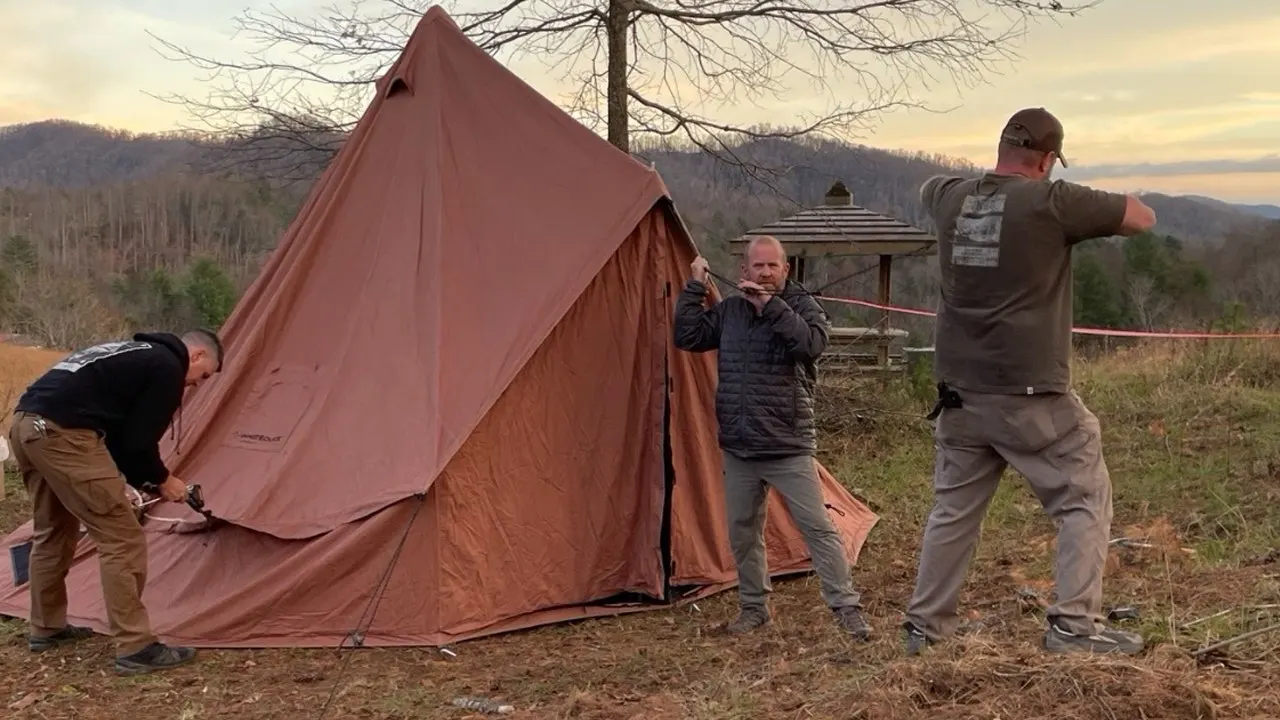
The same spirit drove Sean in 2024, when Hurricane Helene devastated parts of the Southeast, including his beloved home state of North Carolina and its western mountains. Within hours of the disaster, Sean was in his car, heading toward the wreckage. He did not wait for orders or permission; he simply went. Rozina joined him, and the two slept in their cars while helping set up aid for isolated communities. But what stayed with Rozina most was what happened afterward. “When many of us went home, Sean stayed,” he explained. Sean remained in the mountains, living in tents alongside residents who had lost nearly everything. He helped rebuild family homes and a family store that was the only livelihood a struggling family had. He didn’t just donate money or show up for a photo op; he stayed, living among the people he was helping, sharing their hardship, and offering his strength until the work was done. For Sean, service was not a temporary act of charity but a way of life. He was always there for somebody else, always ready to drop everything the moment a call came in. That enduring presence in the face of catastrophe is what made him so beloved, and it is one of the reasons his loss feels so profoundly heavy.
Even as his body was failing him, Sean never stopped thinking about the future. In his final weeks, he was still working out how to help more people, planning for the next emergency before it even happened. “I have a text message from last week where he’s making plans for the next mission,” Rozina recalled. “The next thing that he wanted to do to make sure if another hurricane hits North Carolina, how are we going to respond? If an earthquake happens, where are we gonna go and how can we be more efficient? How can we help more people?” This was Sean through and through: he called himself a good “idea fairy,” always dreaming up new plans, always thinking about readiness. He wanted to be prepared for the next emergency, the next time a veteran needed help, the next time a community was shattered. His goal was to spread his own ethos—that selfless, courageous, “send me” attitude—to others. He believed deeply in the power of the veteran community to serve, and he wanted to incorporate that community into every rescue and relief effort possible. His cancer, the result of the burn pits he encountered while deployed in the Middle East, could have consumed him with bitterness or fear, but instead he continued to pour himself out for others until the very end. His body was broken, but his spirit remained unshakable, and that is perhaps the greatest testament to who he was.
What would Sean want the world to know now that he is gone? Rozina believes his final message would be simple: “Any help is still help.” Sean knew that ordinary people often feel powerless in the face of overwhelming tragedy, but he also knew that doing something, no matter how small, matters enormously. “You might feel like you’re not doing much, but doing something means a lot. So, do what you can,” Rozina said. “Do the best you can when you’re doing it. And do it with a grateful heart.” That was the essence of Sean Michael Lee. He did the best he could at everything, even the little things, and those small acts of kindness added up over the years, blessing countless deserving people. His work with the Independence Fund and Save Our Allies was never about personal glory; it was about using his gifts to make the world a slightly kinder, safer, more hopeful place. He lived with a grateful heart, and he died knowing that his life had meaning far beyond himself. His memory, as Rozina said, will not fade. It will live on in every life he saved, every person he mentored, every community he helped rebuild, and in the hearts of all of us who are inspired by his example. Sean Michael Lee leaves behind a powerful reminder that true heroism is not found in fame or recognition, but in quiet, relentless, and joyful service to others. In the end, he was not just a soldier; he was a friend, a protector, and a light that will continue to shine through the lives he touched.