



1. A Fugitive’s Long Journey Home: The Capture of Manjit Singh Bedi
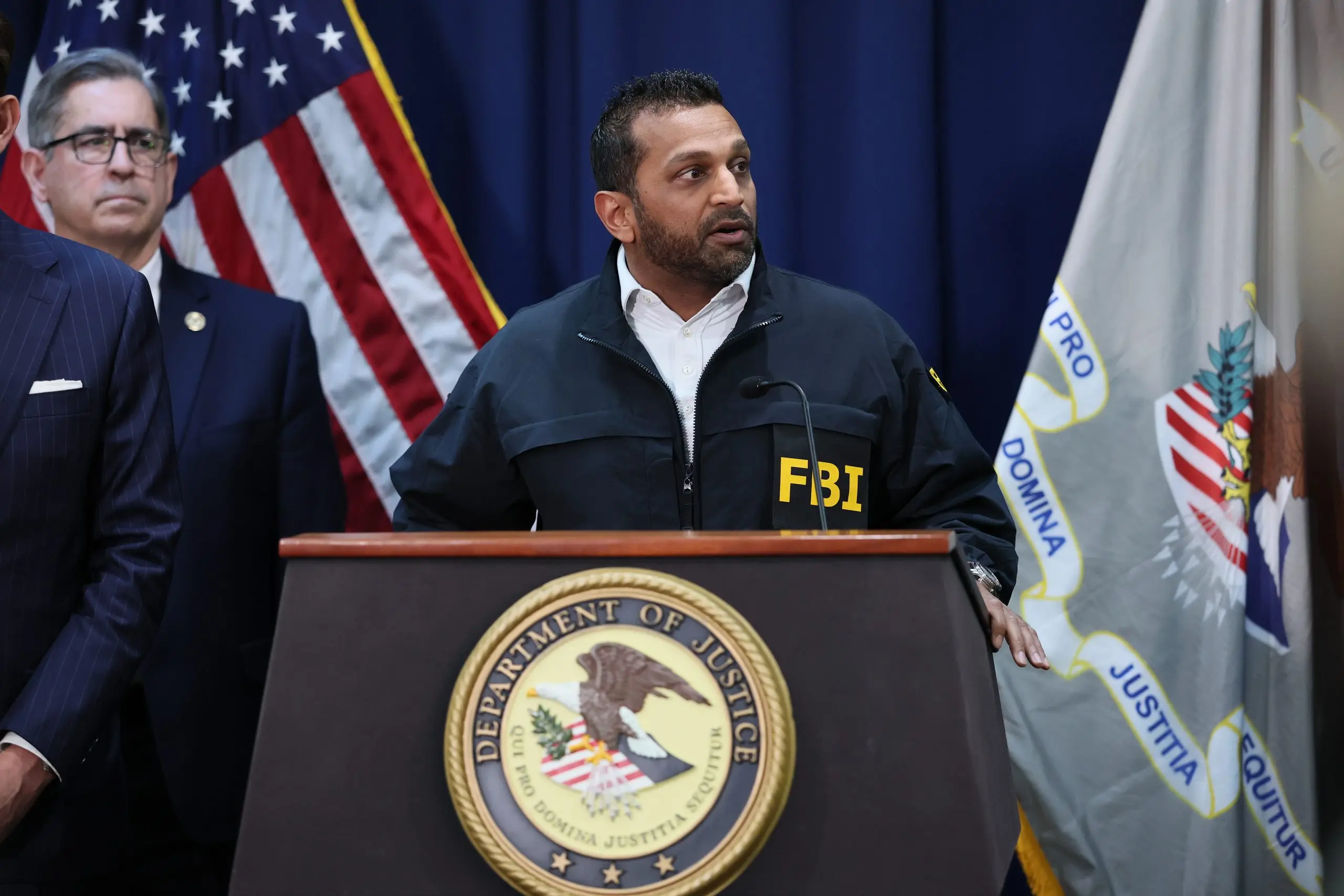
In a world where justice sometimes feels delayed and distant, there are moments that restore faith in the relentless pursuit of accountability. One such moment arrived with the announcement that Manjit Singh Bedi, a man accused of stealing more than $600,000 from a program designed to feed America’s most vulnerable families, had been arrested in India and returned to the United States. The news came from FBI Director Kash Patel, who shared the development with a sense of pride and resolve. “Back in the U.S.,” he wrote on social media, signaling the end of an international manhunt that had spanned continents and required the cooperation of law enforcement agencies across the globe. For those who work in the trenches of public service, this was more than just a headline. It was a testament to the idea that no matter how far a person runs, the long arm of the law can reach them. Bedi, once a naturalized U.S. citizen and a small business owner in Tacoma, Washington, had become one of the FBI’s Most Wanted Fraudsters. His alleged crimes were not acts of violence, but they were deeply damaging in their own way, striking at the heart of a social safety net that millions of Americans rely on to put food on their tables.
2. The Scheme That Stole from the Hungry
To understand the gravity of Bedi’s alleged crimes, one must look at the program he is accused of defrauding. The Supplemental Nutrition Assistance Program, or SNAP, is a lifeline for low-income families, helping them purchase groceries when their own resources fall short. It is a program built on trust, with a system of Electronic Benefit Transfer, or EBT, cards that function much like debit cards. According to federal officials, Bedi exploited that trust in the most cynical way possible. Operating an Asian grocery store in Tacoma between March 2024 and June 2025, he allegedly swiped SNAP recipients’ EBT cards, gave them cash instead of eligible food purchases, and then kept roughly half of the benefits for himself. This type of fraud, often called “benefits trafficking,” is not a victimless crime. Every dollar stolen is a dollar that could have fed a child, an elderly person, or a family struggling to make ends meet. It also damages the integrity of a system that is already under scrutiny, making it harder for legitimate recipients to access the help they need and easier for politicians to justify cuts to social programs. Bedi’s alleged actions were not just illegal; they were a betrayal of the very community he served as a grocer.
3. The Flight, The Manhunt, and The Reward
When the scheme began to unravel, Bedi did not stay to face the consequences. After being indicted in connection with the fraud, he allegedly made a calculated escape, driving across the border into Canada before eventually making his way to India. For months, he evaded capture, living as a fugitive in a country far from the rainy streets of the Pacific Northwest. But he had not been forgotten. The FBI placed him on its Most Wanted Fraudsters list, a relatively new initiative designed to shine a spotlight on white-collar criminals who might otherwise slip through the cracks. A federal arrest warrant was issued, charging him with violating the conditions of his release, and a reward of up to $150,000 was offered for information leading to his arrest and conviction. The reward was a clear signal of how seriously the FBI took this case. It was also an appeal to the public, a reminder that ordinary people often hold the key to solving extraordinary crimes. In September, that appeal paid off. Bedi was arrested in India, ending his run and setting the stage for his extradition back to the United States, where he will now face justice.
4. A Record of Success Through Global Partnership
Bedi’s capture was not an isolated victory. It was part of a broader trend of successful international cooperation under the leadership of FBI Director Kash Patel. In announcing the arrest, Patel took the opportunity to highlight an extraordinary record of bringing fugitives home. “This is the latest in an unprecedented stretch of success in bringing high-value targets back to the United States through strong partnerships with our foreign law enforcement counterparts,” he said. The numbers are striking. Over the past twenty months, the FBI has secured 260 extraditions and removals, an increase of more than seventy percent compared to the previous twenty-month period. These are not just statistics; they represent families who can finally find closure, victims who can see their abusers held accountable, and communities that can breathe a little easier knowing that dangerous individuals are no longer walking free. Behind each of these numbers is a story of pain, perseverance, and the painstaking work of investigators who refuse to give up. The partnerships with foreign law enforcement agencies are often delicate, requiring diplomacy, patience, and mutual respect. But when they work, they deliver results that transcend borders, proving that justice is not bound by geography.
5. The Promise of the Most Wanted Fraudsters Program
Bedi’s case also underscores the power of public-facing initiatives like the FBI’s Most Wanted Fraudsters program. Created just three months ago, the list has already led to the capture of six fugitives, a remarkable success rate for such a young endeavor. The program is designed to do more than just catch criminals; it is meant to deter others who might be considering similar schemes. By putting a face and a name to fraudsters like Bedi, the FBI sends a clear message: if you steal from the American people, you will be hunted. You may run to the other side of the world, change your name, and disappear into a crowd, but there will always be someone watching. The program also invites the public to participate in the pursuit of justice, turning ordinary citizens into partners in the fight against financial crime. For Patel, Bedi’s capture is a milestone. “This marks yet another significant moment for the historic FBI’s Most Wanted Fraudsters program,” he said. It is a moment that validates the vision behind the list and offers a glimpse of what is possible when law enforcement and the public work together.
6. Justice, Accountability, and the Road Ahead
Now, Manjit Singh Bedi is back in the United States, where he will have to answer for his alleged crimes in a court of law. For the families who were affected by his scheme, this is a moment of vindication, a reminder that their struggles were not ignored. For the federal agents who worked tirelessly on the case, it is a professional triumph, the culmination of months of investigation, coordination, and patience. And for the broader public, it is a reaffirmation of the belief that the system, however imperfect, can still deliver justice. Patel extended his gratitude to the partners who assisted in the case, and his words were more than just a formality. They were an acknowledgment of the interconnected nature of modern law enforcement, where success often depends on relationships that span the globe. As Bedi prepares to face trial, the hope is that his case will serve as both a warning and a lesson. A warning to those who would exploit public assistance programs for personal gain, and a lesson that the consequences of such betrayal are far-reaching and inevitable. The food stamp program was created to help people, not to enrich the greedy. Thanks to the FBI’s relentless pursuit, that principle has been defended, and the long journey of a fugitive has finally come to an end.