


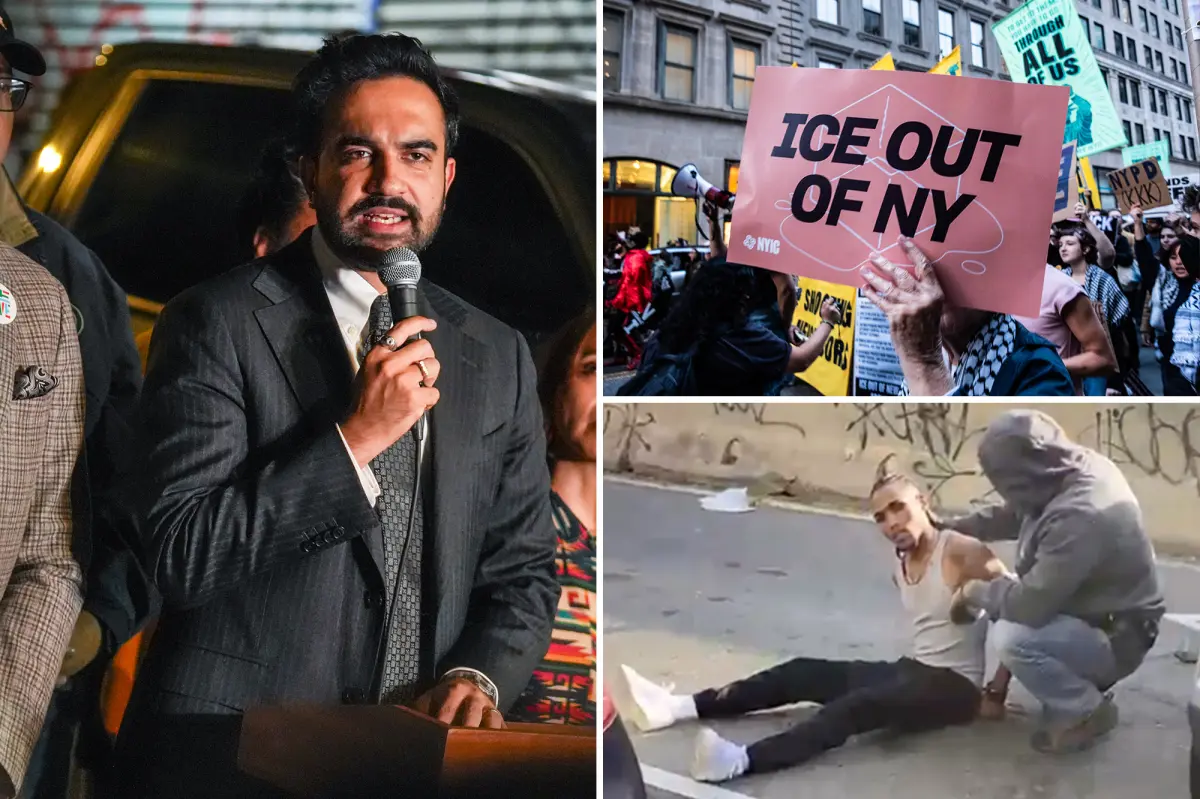
New York City Mayor Zohran Mamdani is asking private parking garage and lot owners to become part of the city’s sanctuary wall. The mayor plans to ask them to deny U.S. Immigration and Customs Enforcement agents the use of their property as a staging area for enforcement operations. “I am asking that you do not rent, lend, or otherwise make your property available to ICE as a staging area for its enforcement operations,” Mamdani writes in a draft letter obtained by The Post on Thursday. “Make it known to ICE that it is not authorized to use your garages and lots.” The letter has been circulating among local lawmakers as City Hall tries to pool support and get other elected officials to sign on. It is not clear when the letter will be sent or how many parking business owners are on the mailing list. The request is not a law and carries no penalty; it is an appeal to the consciences of property owners who may never have thought of their asphalt and concrete as part of an immigration battle. But the mayor is betting that enough of them will listen, and that their refusal will make it harder for ICE to move through the city unnoticed.
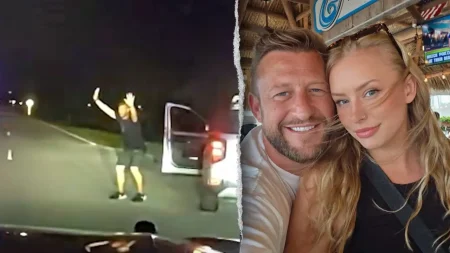
The letter was sparked by a specific and agonizing incident. In the wake of the October 8 shooting of Oscar Belgal, reports emerged that a Bronx garage serving a Target had been used by the ICE agents involved in the operation. According to Gothamist, ICE had been using that same lot for months—as far back as April—to stage immigration operations across the borough. Belgal, 28, was shot in the neck while trying to drive away from the agents, and he ended up in federal custody. His five-year-old son was in the car during the shooting and somehow made it out unscathed. The image of that child sitting in a vehicle while his father was wounded is not just a legal fact; it is a human one, and it has clearly shaped the mayor’s response. Mamdani’s letter goes on to cite at least three other instances of ICE using private lots to stage operations across the city. “Each such use, whether part of a formal or informal arrangement or no arrangement at all, gives ICE a launching point for operations that have terrified and terrorized local communities,” the draft reads. It warns property owners that allowing ICE to operate from their land risks “placing your property, your employees, and your customers at the center of that.” In other words, the mayor is telling them: this is not neutral ground. If you let ICE use your lot, you are not just renting out space; you are becoming part of the machinery of fear.
Under New York’s sanctuary policies, city-owned property is already supposed to be off-limits for federal immigration enforcement. But those rules do not extend to private garages and lots. That is the gap Mamdani is trying to close with an open hand rather than a legal hammer. “These laws govern City property, not the private lots and garages that you operate. That is why we need your help,” the draft says. The mayor framed the appeal as coming from a place of “solidarity with immigrant New Yorkers and our shared commitment to the city we love,” and he described the moment as “a critical juncture for our city.” The letter also reaches for the heartstrings in a way that policy memos rarely do. It reminds garage and lot owners that “every day, your garages and lots serve the people who make New York City work,” and it thanks them for “the essential service that you provide to millions of New Yorkers and visitors each day.” The message is deliberately personal: these are not abstract business owners; they are people who make the city function. And the people who park in their garages are not abstract immigrants; they are parents, workers, neighbors, children. The mayor is asking private operators to see themselves as part of a community, not just a market.
The attempt to extend public sanctuary laws into the private sector comes at a moment of intense political pressure. Mamdani’s allies in the Democratic Socialists of America have been demanding a drastic response since the Belgal shooting, and some have turned their attention to Police Commissioner Jessica Tisch. One of the most vocal is U.S. House candidate Darializa Avila Chevalier, who has accused Tisch of violating sanctuary policies that bar the NYPD from working with ICE. That criticism has continued even though the NYPD had no involvement in the ICE incident, and even though Tisch has presided over one of the city’s steepest drops in violent crime. Several other prominent progressives have broken ranks with Mamdani over the issue, calling on him to fire Tisch or for her to step down. The mayor has so far refused, insisting that the commissioner is not going anywhere. In that context, the letter to garage owners may also be a way for Mamdani to show his base that he is taking bold action, even as he resists their demands on the police. It is a move that tries to channel outrage into a concrete, voluntary act of refusal.
What makes this letter striking is that it is not a mandate. It cannot force a private lot owner to refuse a federal agency; it can only ask. In practical terms, the mayor is trying to make ICE’s work more difficult by cutting off the quiet, convenient spaces where agents can gather before fanning out into neighborhoods. Parking garages and lots have become part of the immigration debate because they offer staging room—places to park vans, coordinate agents, and prepare for an operation without drawing too much attention. By appealing directly to property owners, Mamdani is trying to build a kind of informal sanctuary network out of ordinary commercial spaces. He is also sending a signal to immigrant communities that the city is using every tool it has to push back. For garage owners, the request may be complicated. They have legal obligations, business relationships, and a practical need to avoid trouble with federal authorities. But the mayor’s letter reminds them that they also have employees and customers who are immigrants, and that the places they run are woven into the daily lives of millions of people. The choice he is offering is not just about ICE; it is about what kind of city they want to help build. A parking garage is not supposed to be a launch pad for arrests. It is where people leave their cars and go to work. The mayor is asking owners to keep it that way.
At the center of this entire debate is a human reality that should not be lost in the political back-and-forth. A 28-year-old father was shot in the neck during an immigration operation, and his five-year-old son was in the car with him, somehow unharmed. Whatever the legal details, that image has shaped the anger on the left and the urgency in the mayor’s letter. The letter may not succeed. It may be ignored, or it may be sent to owners who decide the risk is too great. It may never be sent at all. But it reflects a mayor trying to show that New York’s sanctuary policies are not just words on a page. It is also a plea to private citizens to act out of solidarity. Whether dozens of garage owners sign on, or whether ICE simply stops using private lots in New York, the conversation has already shifted. Parking garages, usually anonymous and overlooked, have become a front line in the fight over immigration. The mayor is asking the people who run them to choose compassion over convenience, and to tell ICE that their spaces are not for rent. For a city built by generations of immigrants, that request may be the most New York thing of all.