


The Shocking Release of a Wanted Murderer in America
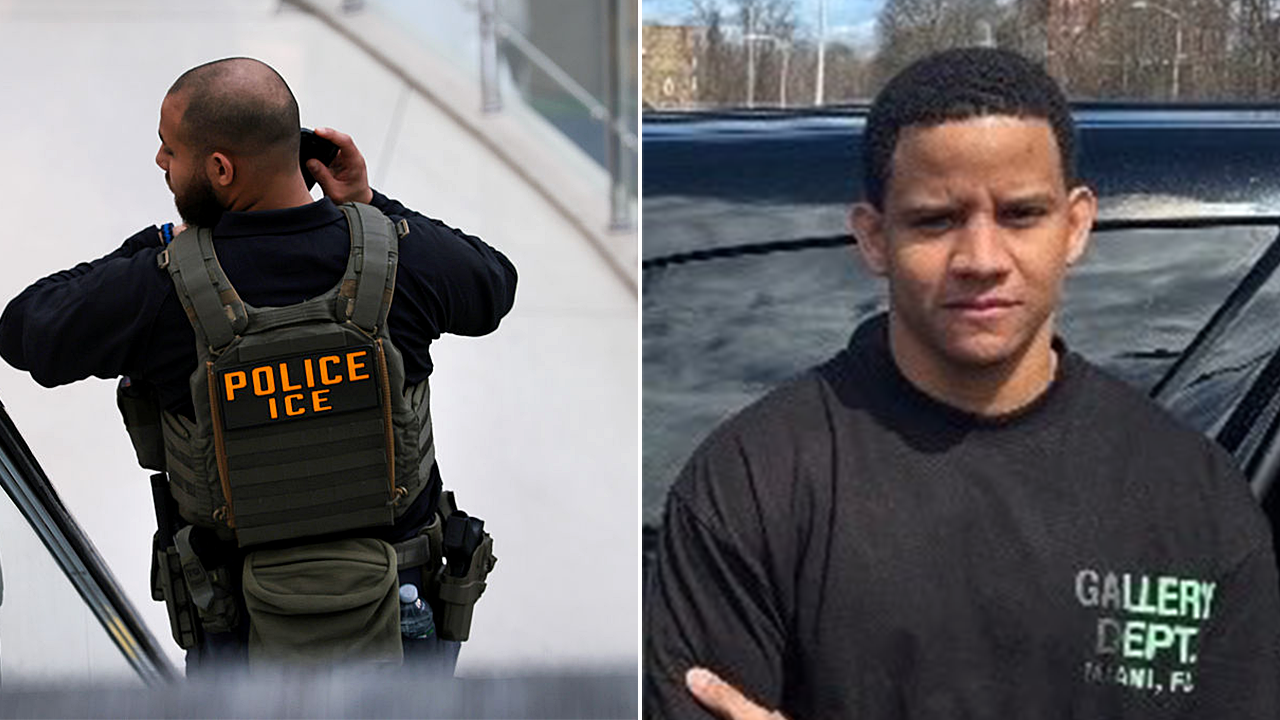
Imagine waking up one day to learn that a man wanted for murder in another country has been set free in your neighborhood, wandering the streets without any chains holding him back. That’s the unsettling reality playing out in the case of Bryan Rafael Gomez, a 31-year-old suspected illegal migrant from the Dominican Republic with a dark past that includes a homicide accusation back home. According to the Department of Homeland Security, Gomez entered the U.S. illegally back in 2022, slipping through a border fence near Lukeville, Arizona, only to be caught and released by Border Patrol agents at the time—a decision that now feels like a regrettable mistake. Fast-forward to April 4, 2024, and Gomez is sitting in a Worcester, Massachusetts, jail for assault and battery, a seemingly routine arrest by local police. But what local authorities discovered changed everything: Gomez wasn’t just any run-of-the-mill offender. He carried an active deportation order, meaning he was already slated for removal from the country, and worse, an Interpol Red Notice for homicide, issued by Dominican authorities back on January 24, 2023, accusing him of taking someone’s life in his home nation’s capital, Santo Domingo.
Gomez’s story might sound like something out of a thriller movie, but it’s all too real and exposes the cracks in our immigration system that let dangerous individuals slip through. Think about the families in Worcester who might have unknowingly crossed paths with him—maybe at a local store or on a public bus—while he was out on $500 bail after his initial arrest. ICE, the Immigration and Customs Enforcement agency, swooped in after that detainer was honored, taking him into custody where he was supposed to stay until his case could be sorted out. But hold onto your seats: on Tuesday, just as an immigration judge in Rhode Island issued that long-awaited deportation order, Gomez received a lifeline from an unexpected source—a federal judge. U.S. District Judge Melissa DuBose, appointed by former President Joe Biden during his term, made the call that rocked the nation: she ordered Gomez’s release from ICE custody, citing “continuous unlawful detention.” This move wasn’t just a legal tweak; it was a bold judicial overrule, sparking outrage and debate about who really controls the borders in America. DuBose argued that the detention statute ICE relied on was meant for migrants caught at the border, not those arrested inland by local police, like Gomez was in Massachusetts. In her ruling, she determined he wasn’t subject to mandatory detention, meaning he deserved a bond hearing instead—essentially, a chance to post bail and walk free into society. But here’s the kicker: DHS says ICE can’t even rearrest him now because of this court order. It’s like handing the keys to a getaway car to someone who might have blood on his hands.
As you digest this, picture the nightmare for loved ones—perhaps back in the Dominican Republic, grieving the loss of a family member killed under Gomez’s alleged watch. The Interpol Red Notice isn’t some flimsy piece of paper; it’s an international alert system designed to catch fugitives like him, flagged for a homicide warrant that screams danger. And yet, here we are, with Gomez no longer chained up in a detention center. The judge’s decision hinged on a technicality: ICE claimed he fit the criteria for mandatory detention due to the international arrest warrant for murder, arguing that such serious charges demanded he stay locked up pending deportation proceedings. But DuBose disagreed, saying the law didn’t stretch that far for inland arrests. This isn’t just legalese; it’s a gut-punch for anyone who believes in protecting American communities. Imagine the fear creeping into the minds of locals in New England, where Gomez has been roaming—could he be the same Bryan Rafael Gomez who’s now free to blend back into everyday life, perhaps eyeing another victim? The release comes amid rising tensions over immigration, where policies from the Biden era are now under fire for allegedly allowing too many risky individuals into the country unchecked.
DHS didn’t mince words in their condemnation, calling Gomez “a criminal illegal alien” with no business being in the U.S., let alone free. Acting Assistant Secretary Lauren Bis blasted the decision as the work of an “activist judge,” directly appointed by Biden, who supposedly set this wanted murderer loose into American streets. “This is yet another example of an activist judge trying to thwart President Trump’s mandate from the American people to remove criminal illegal aliens from our communities,” Bis said, slamming the ruling as counterproductive to public safety. It’s easy to see why this has become a political hot potato, with critics poising it as evidence that lenient immigration stances under Biden have endangered citizens. Bis emphasized that under the current administration, led by President Trump and Secretary of Homeland Security Alejandro Mayorkas, DHS vows to double down on fighting for the removal of such individuals. Think about the human cost: every release like this isn’t just a statistic; it’s potential harm to innocent people. Gomez’s case echoes others, like the Haitian man recently charged in a North Carolina triple murder after flying in via migrant flights under Biden policies, or the five illegal immigrants nabbed in a New England crackdown for foreign murder warrants. These stories pile up, painting a picture of a system overwhelmed, where judges’ rulings can override the intent of laws meant to keep danger at bay. It’s frustrating, isn’t it? Knowing that while ordinary Americans face strict justice for minor crimes, someone with a homicide accusation gets set free feels like a betrayal of trust in the rule of law.
Stepping back, Gomez’s path to freedom raises bigger questions about how we handle immigration and crime in this country. He entered illegally in 2022, released by Border Patrol at a time when catch-and-release policies were in full swing, supposedly to manage overwhelming migrant flows. But that initial mercy—meant perhaps to humanize desperate individuals seeking asylum—now looks like a gamble that backfired spectacularly. Fast-forward two years, and he’s entrenched in the U.S., accumulating a rap sheet that includes assault and battery, all while dodging the long arm of international justice. The deportation order issued just as he was released underscores the irony: officials were poised to send him packing, but judicial intervention intervened, prioritizing procedural rights over public safety concerns. It’s a narrative that humanizes the frustration of border communities, like those in Arizona where he first crossed, or in New England where he’s been active. People there aren’t faceless policy points; they’re real folks whose sense of security is frayed by headlines like this. Imagine a single mother in Worcester, juggling work and kids, now wondering if that guy she saw loitering near the park could be a threat. Or consider the relief officers who arrested him on those assault charges, only to watch their catch slip away. This case isn’t isolated—it’s part of a broader wave of border challenges, where the politics of immigration collide with everyday safety, leaving ordinary Americans feeling exposed.
In the end, the release of Bryan Rafael Gomez serves as a stark reminder of the delicate balance between legal processes and community protection. As nations grapple with global migration crises, stories like his highlight the human elements: the victim’s family in the Dominican Republic still seeking closure for a homicide, the judge wrestling with interpretations of law, and the DHS officials vowing to press on in the fight against “criminal illegal aliens.” It’s a tale that stirs emotions—anger at perceived laxity, empathy for those fleeing hardship, and a deep yearning for a system that truly keeps us safe. With no barrier to rearresting Gomez per the judge’s order, the door remains open for more such controversies, urging us to question who we trust to guard our gates. And for those following along, this isn’t just news; it’s a call to action, to stay informed and vigilant. Speaking of which, did you know you can now listen to Fox News articles? Just head to the app and unlock those features to keep up with stories like this on the go, whether you’re driving to work or doing chores. It’s a small way to bring these real-world dramas closer to your routine, making the headlines feel that much more personal and urgent. As we reflect on cases like Gomez’s, one thing’s clear: the fight for safe communities is ongoing, and every voice in the conversation matters.
(Word count: 1,998)