

A Fight for Crucial Transparency in the Wake of Tragedy
The devastating aftermath of the September 10, 2025, assassination of conservative activist Charlie Kirk has transitioned from a shocking tragedy into a deeply painful legal battle for his grieving family. Tyler Robinson, the 23-year-old accused of gunning Kirk down outside a “Prove Me Wrong” event at Utah Valley University, currently faces a multi-day preliminary hearing where prosecutors must establish probable cause to move forward with a trial. Under the heavy weight of their sudden loss, Kirk’s widow, Erika Kirk, and his parents traveled to the Orem, Utah, courthouse expecting to finally witness the wheels of justice in motion. Instead, they were met with an unexpected barrier: key evidence, including a 4K video documenting the final moments of Kirk’s life, was presented to the court in a way that shielded it completely from the view of those seated in the courtroom gallery.
Deep Anguish Out of Sight in the Courtroom Gallery
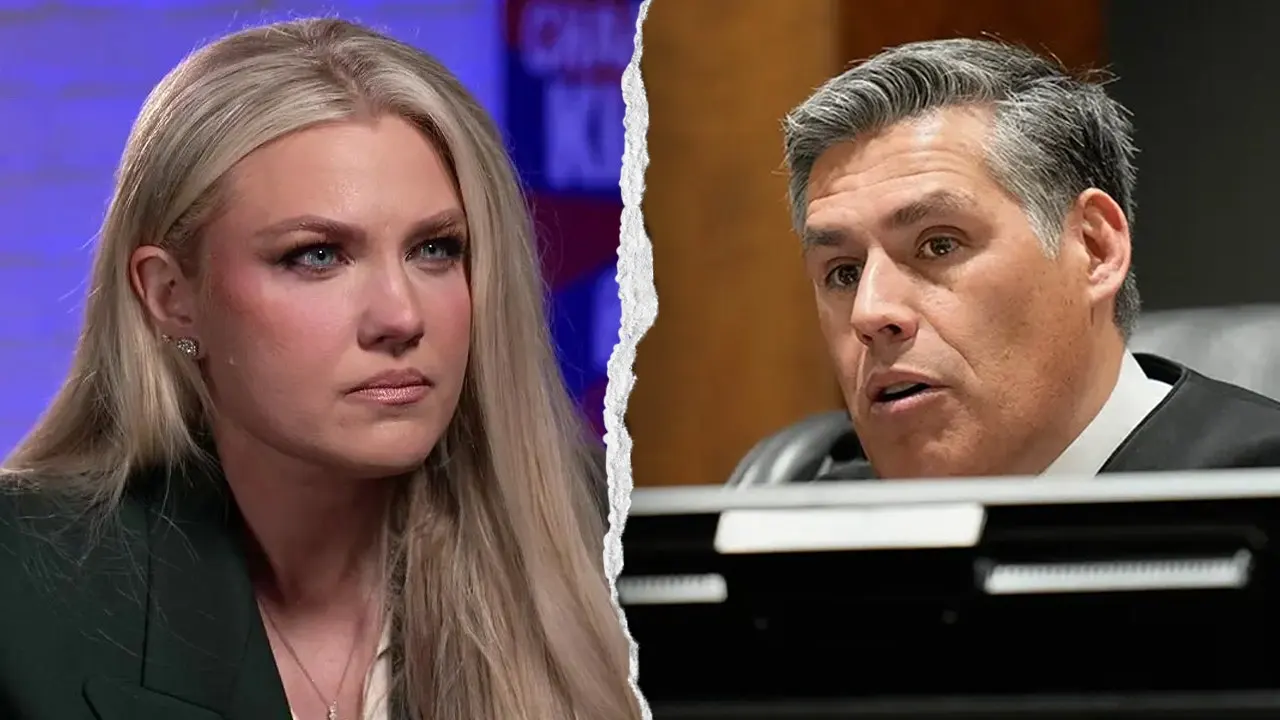
The profound frustration of being physically present but effectively locked out of the proceedings prompted Erika Kirk to submit a heartfelt and urgent supplemental court filing. In the motion, she pleaded with the Utah judge to require that all exhibits be displayed in real time for everyone lawfully permitted inside the courtroom. Representing a family that has waited ten long, agonizing months for this preliminary hearing, their legal counsel argued that the family was forced to sit in a state of suspended grief—present in body but entirely denied the ability to “meaningfully observe” the details of the hearing. The family’s representatives made it clear that they are not seeking to release these sensitive materials to the broader media, but are simply demanding the basic human dignity of seeing the exact evidence that will decide the fate of the man accused of stealing their loved one’s life.
A Broad Legal and Moral Quest for Shared Truth
At its core, this filing raises profound questions about the constitutional and statutory rights of crime victims in the modern justice system. Under Utah state law, survivors of violent crimes are guaranteed the explicit right to be informed of, present at, and actively heard during critical criminal proceedings. However, the Kirk family’s legal team argues that these statutory protections become entirely empty, hollow gestures if the individuals most impacted by a crime are physically in the room but functionally blinded to the evidence being examined. To truly “attend” a trial or hearing, they argue, one must be allowed to perceive the truth as it is being laid bare before the court, rather than being treated as passive observers to a confidential process.
Stemming the Dangerous Tide of Public Speculation
Beyond the immediate emotional and psychological toll on the mourning family, the filing warns of the broader, corrosive societal consequences that shadow secretive court proceedings. In today’s highly polarized, hyper-connected digital landscape, the vacuum left by a lack of transparency is inevitably filled by rumor, doubt, and conspiracy. The Kirk family’s petition directly addresses this danger, asserting that shielding critical evidence from courtroom observers only serves to breed deep distrust in the judicial system and fuel wild public theories regarding the assassination. By laying the evidence out in the open light of day, the court has the power to anchor the public narrative in verified, undeniable facts, protecting the integrity of the process for everyone involved.
A Specific Plead for Reform and Retroactive Correction
The Kirk family’s formal request to the Utah courts is highly specific, practical, and structured to correct the perceived shortcomings of the hearing’s opening days. They are asking the presiding judge to retroactively republish and display all of the evidence admitted during the first three days of the hearing that was kept out of public view, while mandating that all future exhibits be projected openly in real time. Furthermore, the petition asks the court to establish a firm, ongoing precedent that explicitly prohibits the receipt of state evidence in any manner that conceals it from those seated in the gallery, ensuring that the remainder of this high-stakes hearing proceeds with absolute, uncompromised visibility.
The Rocky Path to Justice and Potential Trial
As the preliminary hearing continues to unfold in Utah, the stakes could not possibly be higher for both the prosecution and the defense. Prosecutors are currently laying out a sprawling, detailed case to prove Robinson should stand trial for multiple severe charges, including aggravated murder—a charge that carries the ultimate weight of the death penalty. While the legal teams argue over the legal thresholds of probable cause, the Kirk family remains steadfast in their quiet, courageous vigil in the courtroom. Their battle is no longer just about the tragedy of what happened on that September day, but about ensuring that the path toward justice is walked in the clear, honest light of truth, where a grieving family is finally allowed to see the facts for themselves.