

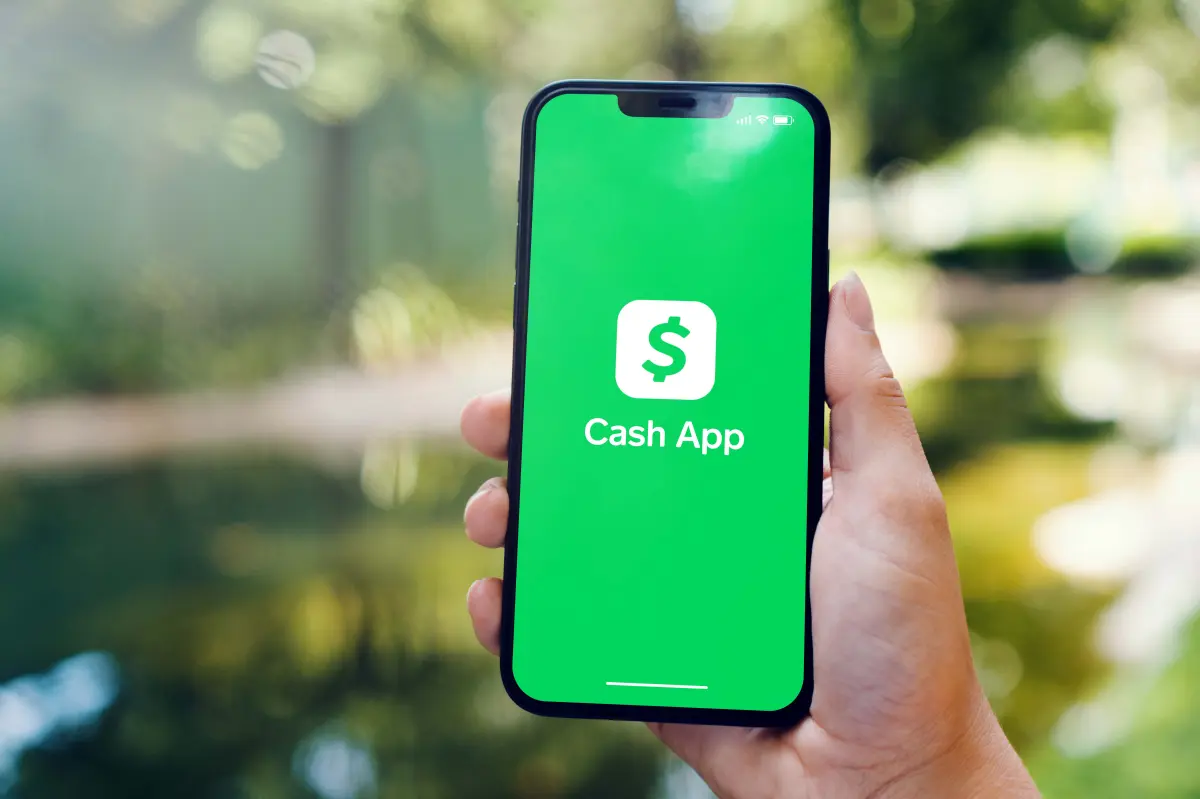
If you’ve been waiting for some kind of resolution after Cash App’s data breach, there’s finally a bit of good news—though it comes with a lot of fine print. Eligible Cash App users could soon begin receiving payments from a $15 million class action settlement, with individual payouts of up to $2,500 for people who qualify. That may sound like a windfall, but it’s important to understand that this isn’t free money for everyone who has ever used the app. The settlement was created to compensate people who actually experienced losses related to a data breach that allegedly happened back in 2021. According to reports from USA Today, the breach involved the “unauthorized public release of the personally identifiable information of 8.2 million current and former Cash App Investing customers.” In plain terms, that means a huge number of people had their personal information exposed without their permission, and the class action lawsuit that followed sought to hold Cash App and its parent company, Block Inc., accountable. The case was filed in 2022, and after years of legal back-and-forth, the two sides agreed to a settlement in March 2024. Neither Cash App nor Block admitted to doing anything wrong, which is typical in these kinds of settlements, but the money is real, and for people who filed valid claims before the deadline, some relief is finally on the way.
The emotional side of this story is just as important as the legal details. Finding out that your financial information may have been exposed is genuinely unsettling. It’s not like a stolen credit card that you can cancel and replace in a few minutes. When someone’s personally identifiable information is released, it can be used in all kinds of ways that are hard to predict or control. People worry about fraudulent withdrawals, unauthorized transfers, and the long, exhausting process of trying to protect their money and their identity. For the 8.2 million current and former Cash App Investing customers affected by this breach, the experience was more than just a tech inconvenience. It was a violation of trust. Cash App had become a part of everyday life for so many people—a way to send money to friends, pay for things, invest in stocks or Bitcoin, and even file taxes. To learn that the platform had been breached, and that personal information was out there in the open, left many customers feeling anxious, frustrated, and unsure of what to do next. The lawsuit was not just about money; it was about recognition that this breach caused real harm and that people deserved some form of accountability.
Now, let’s talk about how the settlement actually works. The total amount is $15 million, which sounds like a lot, but it has to cover a few different things before it reaches individual claimants. Legal fees and administrative costs are paid out of that fund, and only the remaining money goes to people with valid claims. According to the settlement website, payments are expected to be distributed sometime this month to users who filed a claim before the deadline. That deadline was November 18, 2024, and it was strict. If you didn’t file a claim by then, you’re out of luck—the settlement website makes it clear that no claims filed after that date will be accepted. For people who did file on time, the next step is simply to wait for the payment to arrive. The exact amount each person receives will depend on the nature of their losses, how many valid claims were submitted, and how much money is left after the administrative costs are deducted. It’s also worth noting that the two companies agreed to the settlement in March 2024, but they did not admit any violations of the law. That’s a common feature of class action settlements; it allows companies to resolve costly litigation without officially acknowledging fault. For the people affected, though, the settlement is at least a tangible acknowledgment that something went wrong.
If you’re trying to figure out whether you’re eligible, here are the key details. To qualify, you had to have experienced unauthorized or fraudulent withdrawals or transfers from your Cash App account between August 23, 2018, and August 20, 2024. That’s a wide window, covering many years of potential activity. You also had to have filed a claim before the November 18, 2024 deadline. The settlement allows impacted individuals to seek reimbursement for out-of-pocket losses of up to $2,500. That includes money that was actually lost through transactions, as well as compensation for the time you spent dealing with the aftermath of the breach. The time compensation is capped at three hours, at a rate of $25 per hour, which means the maximum you can receive for your time alone is $75. So if you lost a couple hundred dollars in a fraudulent transfer and spent a few hours on the phone with customer support, your claim might be relatively straightforward. But if you lost nothing and only want to be compensated for your time, the payment would be much smaller. It’s also important to understand that the $2,500 figure is an upper limit, not a guarantee. The settlement administrator will review each claim and determine what qualifies as an actual out-of-pocket loss. You can’t simply claim the maximum amount without documentation or evidence of harm.
There are a few more things to keep in mind as this settlement moves forward. First, the $15 million fund is not unlimited. If a large number of people file valid claims, the individual payouts could end up being lower than the maximum amounts originally advertised. That’s just the reality of class action settlements; the money is divided among everyone who qualifies. Second, the deadline has already passed, so there’s no opportunity to file a new claim if you missed it. That might feel harsh, but the court set the deadline to bring finality to the case. Third, be wary of scams. Whenever there’s news about a settlement, scammers often try to take advantage of people by pretending to be claims administrators, asking for personal information, or charging fees to help with claims. The official settlement process does not require you to pay a fee to receive your payment. If someone contacts you out of the blue and asks for your bank details or Social Security number, be very cautious. The best source of information is the official settlement website, where you can check the status of your claim and find answers to common questions. If you’re expecting a payment, make sure your contact information is current and keep an eye on your mailbox or email for updates.
Finally, it’s worth stepping back and thinking about what this settlement means in a broader sense. Cash App, which launched in 2013, has become much more than a simple peer-to-peer payment app. It functions as a digital wallet, allowing users to send and receive money, invest in Bitcoin and stocks, apply for loans, and even file taxes. It’s not a bank, but it offers an interest-earning savings account and a Cash App debit card that people use for everyday purchases and ATM withdrawals. For millions of people, Cash App is woven into the fabric of their financial lives. That’s why a data breach feels so personal. It’s not just about losing a password; it’s about feeling like your financial safety has been compromised. This settlement won’t undo the stress or erase the worry that many people felt when they learned their information had been exposed. But it does represent a small measure of accountability. It says that when a company holds our money and our personal data, it also holds a responsibility to protect them. For the people who took the time to file a claim, this payment is a modest acknowledgment of the disruption they experienced. And for everyone else, it’s a reminder to stay vigilant, monitor your accounts, and take advantage of the security features that financial apps offer. In the end, the settlement is less about getting a big check and more about closing a difficult chapter—and hopefully, moving forward with a little more peace of mind.