




Here is a humanized and expanded narrative of the tragic event, structured into six paragraphs, capturing the emotional depth, the physical ordeal, the legal implications, and the resilient human spirit of Cristina Vargas.
—
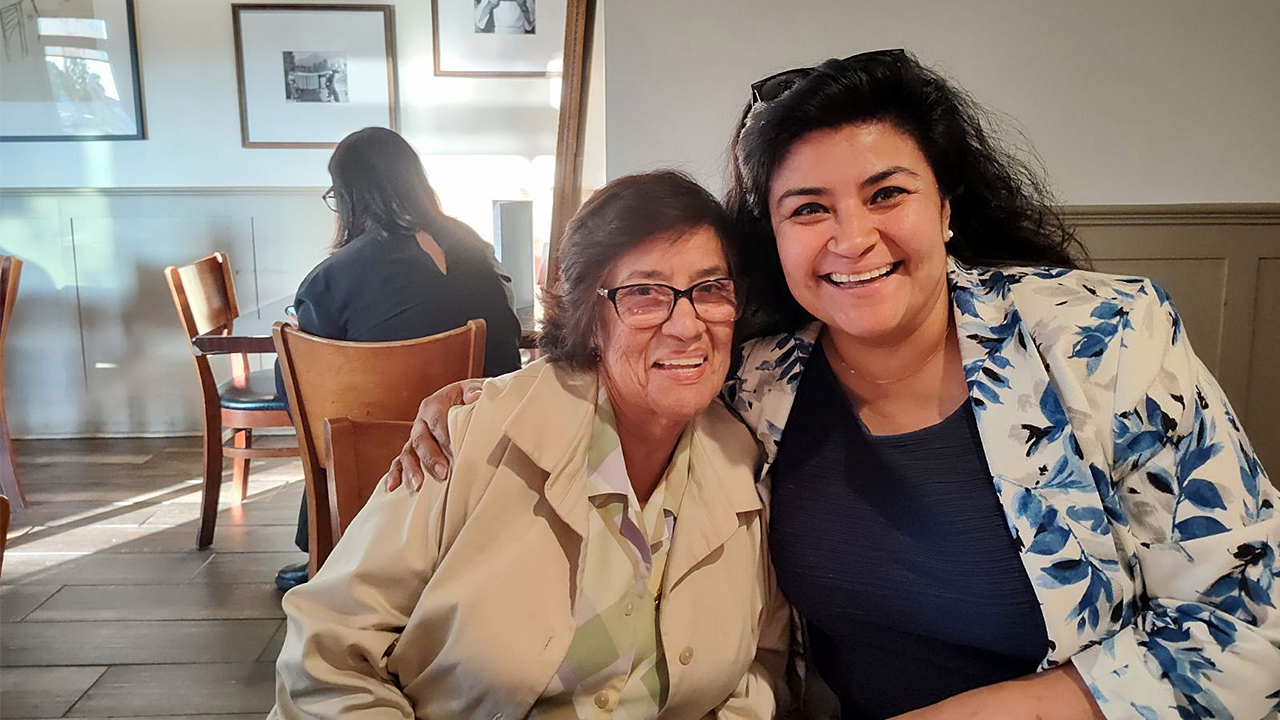
The afternoon of July 7th began like so many other summer days in the vibrant, historic neighborhood of Boyle Heights in Los Angeles. The sun hung high and warm over the bustling streets, casting long shadows across the sidewalks where families and friends gathered to enjoy the simple pleasure of a shared meal. At the beloved local spot, Los Cinco Puntos, 81-year-old Cristina Vargas was doing what she loved most: spending quality time with her daughter, Gabriela, and a close male friend. The air was filled with the clinking of glasses, the murmur of conversation, and the tantalizing aroma of authentic Mexican cuisine. For Cristina, a spirited widow who had navigated life’s trials with grace and a contagious zest for living, this was a perfect, unremarkable afternoon. She was a woman who found joy in the rhythm of a good song, who lit up the senior center with her dancing, and whose vivacious energy drew people to her. Little did she know that this idyllic scene was about to be shattered in a single, horrifying instant, transforming a peaceful lunch into a nightmare that would test the very core of her family’s strength.
The calm was violently ripped apart when a speeding SUV careened off the road, mounting the curb and plowing directly into the outdoor dining area. There was no warning, no time to react, only the terrifying screech of tires on asphalt that immediately froze the blood of everyone in earshot. For Gabriela, that sound is now permanently etched into her memory, a prelude to the catastrophic boom of metal hitting flesh and furniture. She recalls being thrown, her body airborne for what felt like an eternity before the chaos of the crash engulfed her. When the dust and debris finally settled, the picturesque restaurant patio had become a scene of devastation. Tables were splintered, chairs were mangled, and the peaceful afternoon had been replaced by the piercing screams of the wounded. Gabriela, herself injured with a head laceration and a deep gash on her knee, desperately searched for her mother. Her worst fears were realized when she saw Cristina pinned beneath the massive weight of the SUV, her lower body crushed and trapped in the wreckage. In that moment, time stood still, and the family’s world collapsed around them as first responders rushed to the scene, fighting to free the elderly woman.
The immediate aftermath was a blur of sirens, frantic medical personnel, and the sterile, terrifying environment of the hospital. Cristina was rushed into emergency surgery, her injuries catastrophic. The crushing force of the vehicle had severely compromised the blood flow to her lower limbs, leaving doctors with a heartbreaking choice. Despite their best efforts and a desperate series of three major surgeries, the damage was irreparable. The decision was made to amputate both of her legs, a life-altering procedure that would save her life but forever change the way she would live it. For Gabriela, who was treated for her own injuries in the same hospital, the news was a devastating blow. The image of her vibrant, dancing mother confined to a bed, robbed of her mobility, was almost too much to bear. Meanwhile, the alleged driver of the SUV was taken into custody. Police reports indicated that impairment was a factor in the crash, leading to the arrest and subsequent charging of the individual with multiple felonies. The charges, while offering a path toward legal justice, did nothing to erase the physical and emotional scars carved into the Vargas family. The anger and grief over this senseless act of negligence mixed with the overwhelming uncertainty of what the future would hold.
As Cristina transitioned from the intensive care unit to a rehabilitation center, the daunting reality of her new existence began to set in. The road to recovery was not just long; it was a steep, merciless climb. Each day brought grueling physical therapy sessions, where she had to relearn the most basic movements—sitting up, transferring her body, building the upper body strength that would now be crucial for her independence. The pain was constant, both from the healing wounds and the phantom sensations that tormented her. Yet, even in her darkest moments, a flicker of Cristina’s indomitable spirit refused to be extinguished. Gabriela, who had been discharged and was now her mother’s primary advocate, marveled at the resilience her mother displayed. The woman who had once effortlessly glided across a dance floor now had to fight with every ounce of her being just to lift herself a few inches off a bed. The transition to a wheelchair was psychologically arduous, and the plans for her eventual discharge home now involved a complicated checklist of renovations—wheelchair ramps, widened doorways, and accessible bathrooms—needs that stretched far beyond the family’s financial means. The physical healing was progressing, but the emotional journey was just beginning, a winding path fraught with frustration, acceptance, and the desperate desire to reclaim some semblance of the life she once knew.
Recognizing the immense financial burden about to crush the family, a close friend took action and created a GoFundMe page to rally community support. The page painted a poignant portrait of the woman behind the tragedy. Cristina was described not as a victim, but as a “vibrant and social person with a true lust for life,” a woman who loved to dance and was a regular at the senior center events, bringing joy and energy to everyone she met. Her “vivacious spirit” and “love for connecting with others” made her a beloved member of her community, which meant this sudden, heartbreaking change was a shock to all who knew her. The response was overwhelming, with donations pouring in from across the city and beyond, quickly surpassing $30,000. However, while this sum provided a crucial lifeline, it was a stark reminder of the exorbitant costs of American healthcare. The fundraiser explicitly detailed the crushing weight of the family’s needs: the massive medical bills, the ongoing rehabilitation, and the cost of specialized care required to help Cristina adapt to her new reality. The money raised would go towards making her home accessible and covering the specialized care necessary for her recovery—a financial pit that threatened to consume the family’s savings and future, making every single donation a symbol of hope against a tide of overwhelming expenses.
In a heartfelt update on August 17th, Gabriela addressed the donors with a mixture of deep gratitude and quiet determination. “Thank you everybody for your love and support,” she wrote, her words carrying the exhaustion of countless sleepless nights by her mother’s side. She confessed that the recovery was progressing slowly, but emphasized that they were “getting through it day by day.” She acknowledged the intense pain her mother was enduring, but proudly noted that Cristina’s spirits remained high, a testament to the resilient soul that had always defined her. “My mom’s spirits remain hopeful as do mine. Recovery is very painful but she’s giving it her all,” Gabriela shared. This update served as a powerful reflection on the fragility of life and the extraordinary strength of the human spirit. Cristina, a widow and mother of two who had already endured life’s losses, was now facing the most profound challenge of her existence. Yet, surrounded by the unwavering love of her family and the generosity of strangers who were moved by her story, she was refusing to surrender. The tragic accident had taken her legs, but it had not taken her spirit. The road ahead remains long and uncertain, a marathon of physical rehabilitation and emotional healing. But as Cristina looks toward the future, she does so not from a place of sorrow, but with the quiet, persistent hope that defines a survivor. She dreams of returning home, of being surrounded by her family and friends, and of finding a new way to dance through life’s challenges, proving that while the body can be broken, the heart remains unyielding.