





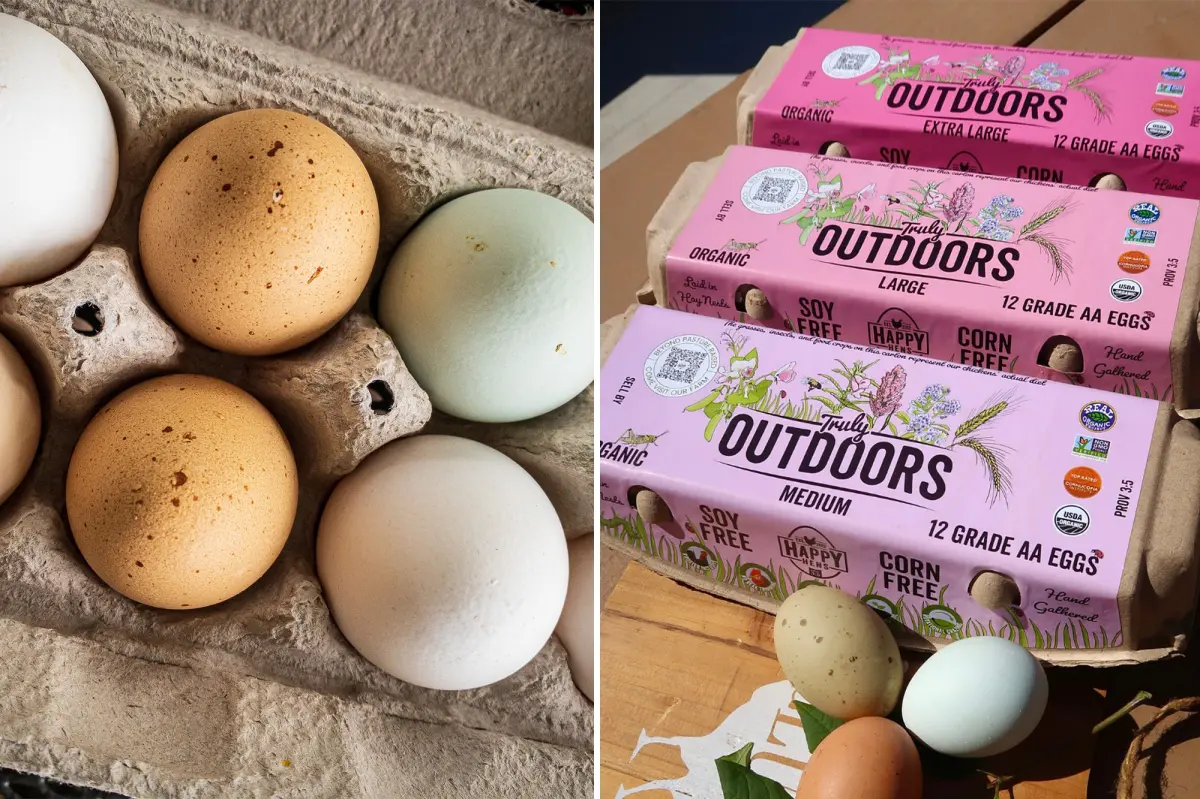
There is something profoundly comforting about the simple act of cracking an egg into a hot pan on a Sunday morning. The gentle tap on the counter’s edge, the satisfying crack, the way the translucent white and golden yolk slip into the buttered surface, sizzling softly as the kitchen fills with the promise of a warm, protein-rich breakfast. It is a domestic ritual so routine that we rarely pause to consider the long and intricate journey that egg took to reach our refrigerators. But for residents of San Diego this week, that quiet, unexamined trust has been violently shattered. The Happy Hens egg farm, a name that conjures bucolic images of clucking chickens wandering sun-drenched pastures, has issued a voluntary recall for a selection of its organic eggs due to urgent concerns regarding potential contamination with Salmonella Enteritidis. The California Department of Public Health has joined the fray, issuing a stern and urgent warning that has sent families across the county scrambling to check the dates stamped on their cartons with a sudden paranoid urgency. In a world where we are constantly bombarded with food safety alerts, from E. coli in lettuce to listeria in deli meat, this particular recall cuts uncomfortably close to home, transforming a beloved breakfast staple into a potential vector for crippling gastrointestinal distress. It forces us to reconcile the idyllic, emotionally resonant marketing of local, organic farming with the hard, microscopic, and sometimes ugly realities of bacterial pathogens. More than that, it challenges our foundational assumption that food crafted by our neighbors, sourced from a farm just down the road, is inherently safer and more wholesome than mass-produced industrial goods. The conversation has shifted from farm-to-table romance to fridge-to-trash panic.
The specifics of the recall read like a checklist of chaos for anyone who recently shopped for eggs. Consumers are being told to immediately discard any Happy Hens organic eggs with sell-by dates of September 10, September 13, and September 24, or to return them to the point of purchase for a refund. The recall scope is wide and varied, encompassing a dizzying array of packaging options. It covers standard dozen-egg cartons and the slightly larger 18-count family packs, but it also stretches to the bulkier 20-count and 30-count flats often purchased by dedicated home bakers or small businesses. Even more concerning for the commercial sector, the recall includes 15-dozen cases that were distributed to various foodservice customers—restaurants, cafes, and caterers who use eggs by the case to make batters, sauces, and breakfast platters. For the average consumer, the discovery that one’s eggs fall into this category sparks a cascade of frustration and worry. You look at the grocery receipt, mentally calculating the wasted money. You look at the half-empty carton in the fridge, perhaps already used for last night’s quiche. But the emotional burden extends beyond the simple financial hit. The act of throwing away food—especially food bought with the intention of nurturing a family—feels profoundly wasteful and disheartening. Furthermore, the task of sanitizing the refrigerator becomes a deeply unpleasant chore. Every shelf that the carton touched, every drawer that housed its contents, and every utensil that beat those eggs must be washed with hot, soapy water. The quiet sanctuary of the kitchen is transformed into a biohazard zone, and the simple pleasure of feeding one’s loved ones is replaced by a nagging sense of dread and a compulsive need to scrub.
Perhaps the most humanizing—and heartbreaking—element of this story is the initial reaction of the farm’s owners, who found themselves thrust into the unforgiving glare of a public health crisis. Chloe Nevarez, co-owner of Happy Hens, spent days in a state of defensive desperation, publicly pushing back against the county’s preliminary findings. On August 17, before the official recall was issued, Nevarez took to Instagram with a fiery, emotional screed, asserting that the connection between her farm’s eggs and the 23 reported illnesses was “100% unfounded, not a shred of evidence, not a shred of testing done.” She begged her followers to recognize the injustice of the accusation, arguing that the farm routinely tested its chickens for salmonella, and portrayed her family business as a scapegoat in a broken industrial food system. In that moment, Nevarez was not a faceless corporation; she was a small business owner fighting tooth and nail to protect a reputation built over years of hard work, convinced that her beloved hens and pristine facility were being unfairly maligned. Her plea was raw, emotional, and deeply relatable—the knee-jerk human instinct to defend one’s own creation against external attack. However, the relentless, cold march of science soon delivered a devastating verdict. Between August 17 and August 20, inspectors from the U.S. Food and Drug Administration descended upon the Happy Hens facility, collecting environmental samples from the poultry housing. The laboratory results came back stark and unambiguous: two distinct samples tested positive for Salmonella Enteritidis, the very strain responsible for the outbreak devastating the local community. The chasm between Nevarez’s heartfelt denial and the indisputable lab finding encapsulates a wider tragedy—the painful collision of a farmer’s pride and the stubborn reality of microbiology. Regardless of her intentions, the bacteria were present, and the trust she fought so hard to preserve evaporated under the glaring light of the scientific evidence.
Tracing the invisible web of the outbreak paints a disturbing picture of how a single microbe can travel through a local community. Health investigators from the San Diego County Health and Human Services Agency, working alongside state and federal partners, methodically interviewed the 23 individuals who reported falling ill between June 21 and August 16. Each interview peeled back another layer of the onion, revealing a common thread: the consumption of Happy Hens eggs. The trail did not stop at breakfast plates, however. Investigators discovered that the bacteria had quietly weaved its way into a popular Ramona market’s homemade mayonnaise, a delicacy made with raw eggs supplied directly by the farm. This particular finding is especially chilling, as mayonnaise is frequently consumed cold and sometimes even used in dishes that are not subsequently cooked, leaving the bacteria entirely intact and ready to wreak havoc on the human digestive system. For the victims, the experience was undoubtedly miserable—the sudden, uncontrolled onset of diarrhea, the agonizing stomach cramps that double a person over, and the fever that leaves one shivering in bed regardless of the thermostat. While many healthy adults will weather the four-to-seven-day storm without medical intervention, the ordeal is exhausting, painful, and disruptive. It forces people to miss work, cancel plans, and seek refuge in the nearest bathroom. The human cost of this outbreak goes far beyond the 23 reported cases; for every confirmed victim, there are likely dozens of untold stories of milder gastrointestinal upset, individuals who chalked it up to a 24-hour stomach bug and never connected their suffering to the eggs they scrambled for breakfast. The investigation is a grim reminder that our food system, no matter how localized or artisanal, is a complex ecosystem sharing both nutrients and potential pathogens.
For those who may have handled the recalled eggs, the medical advice from health officials is rigid and uncompromising. The incubation period for Salmonella Enteritidis is a cruel waiting game—symptoms can appear anywhere from six hours to six days after the initial exposure, leaving a worried consumer in a state of anxious limbo. When the symptoms do arrive, they are unmistakable and thoroughly unpleasant: acute diarrhea, a spiking fever, and stomach cramps that often radiate through the back and abdomen. The illness, while frequently resolving on its own within a week, can be severe enough to require hospitalization, particularly for the most vulnerable members of the population. Health officials are emphasizing a demographic-specific caution: children under the age of five, adults over the age of sixty-five, and anyone with a weakened immune system—whether from chronic disease, pregnancy, or ongoing medical treatment—are at a significantly elevated risk of developing a systemic, life-threatening infection. For these individuals, a simple egg salad sandwich can turn into a life-or-death medical emergency. Recognizing this gravity, officials are advising that anyone exhibiting symptoms within seven days of consuming the tainted products should immediately contact a healthcare provider to discuss the need for diagnostic testing and potential antibiotic treatment. Beyond the medical response, the preventative remediation required of consumers is equally stringent. Every surface that came into contact with the eggs—countertops, knives, bowls, the inside of the refrigerator crate—must be thoroughly cleaned with hot, soapy water. Dishwasher-safe items should be run through a full, high-heat cycle. It is a labor-intensive process that transforms a routine kitchen cleanup into a frantic act of sanitation, underscoring just how easily a concentrated pathogen can colonize a home environment.
As the dust settles on this urgent recall, the broader implications resonate far beyond the shores of San Diego. The joint investigation currently being conducted by the California Department of Public Health, local county agencies, the California Department of Food and Agriculture, and the FDA represents a multi-agency effort to pin down the exact scope of the contamination and prevent any future recurrences. Yet, for the consumer, the story leaves a lingering sense of disillusionment. We buy organic, we buy local, we pay a premium for eggs produced by “happy hens” because we want to believe in a system where our food sources are transparent, ethical, and clean. The revelation that a small, organic farm could be the epicenter of an outbreak forces us to confront the uncomfortable truth that risk is inherent in any food production, regardless of scale. There is no magic guarantee printed on a carton. However, humanizing this story also compels us to look at Chloe Nevarez and her family with a measure of empathy. While the public health imperative to recall the eggs and protect consumers is absolute and non-negotiable, the emotional devastation for the farm is undeniable. Their name is now synonymous with illness, their business potentially ruined by factors that may have been impossible to fully prevent. The journey from a small farm’s kitchen to a county-wide health announcement encapsulates the delicate, fragile trust we place in our food producers. It is a trust that is essential for a functioning society, yet prodigiously easy to break. In the end, this recall is not just a warning about eggs; it is a visceral reminder of our own biological vulnerability, a testament to the tireless work of health investigators, and a poignant lesson in the fickle nature of food safety. For residents of San Diego, the next time they encounter a carton of organic eggs at the farmers’ market, they will look at it with a new, wary, and deeply human set of eyes—and perhaps pause a little longer before making that scrambled egg breakfast.