





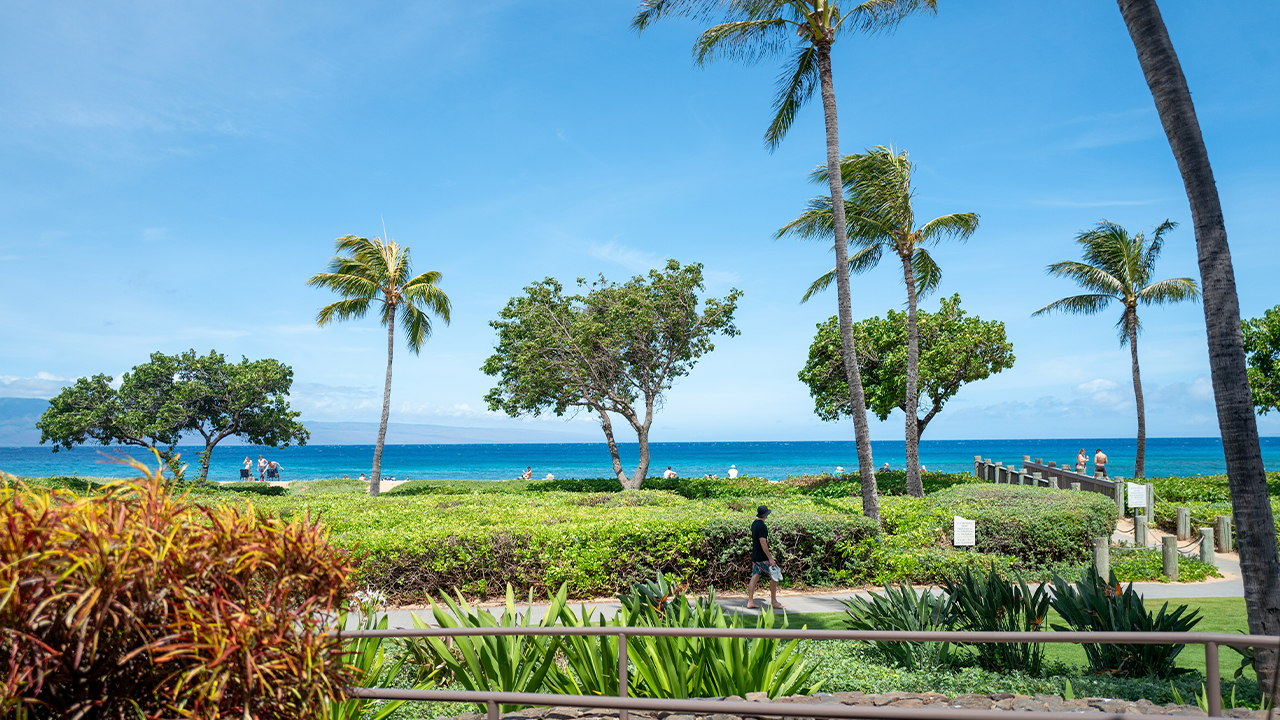
For countless families, a vacation to the beautiful Hawaiian island of Maui represents the ultimate realization of a dream—an idyllic sanctuary of golden beaches, whispering palms, and rolling tides where the stresses of daily life can be washed away in the island’s warm breezes. A close-knit, multi-generational family from California, spanning three generations from enthusiastic teenagers to beloved, vulnerable grandparents, traveled to the prestigious Kaanapali Alii resort in Lahaina expecting precisely this kind of restorative, peaceful paradise. They envisioned quiet, warm evenings spent lounging together under the starlit Hawaiian sky, sharing stories and laughter by the poolside, and forging beautiful, lifelong memories in a luxury venue renowned worldwide for its hospitality standards and security. However, on the warm, dark night of July 17, at approximately 10:00 p.m., this beautiful dream of tranquil leisure was brutally and inexplicably shattered, dissolving into an incomprehensible nightmare of raw physical violence and sheer terror. What began as a peaceful, ordinary evening by the inviting waters of the pool suddenly devolved into a chaotic, terrifying battlefield as an aggressive, hostile mob of around thirty people descended upon the relaxation area. For these unsuspecting travelers, the psychological comfort and safety of their island retreat vanished in an instant, replaced by an overwhelming sense of helplessness as they realized they were trapped in a major physical confrontation with nowhere to run. The stark, shocking contrast between the gentle rustle of the palms and the sudden, explosive sound of shattering peace set the stage for an evening that would forever alter their family’s lives, leaving them to grapple with the deep psychological trauma of a paradise lost and raising profound questions about guest safety and security in highly regarded tourist destinations worldwide.
The violence erupted with terrifying speed and an utter lack of warning, transforming the luxury resort’s immaculate pool deck into a scene of complete pandemonium that felt more like a riotous urban street clash than a peaceful, high-end vacation haven. According to official accounts later gathered by the Maui Police Department, the catalyst for the bloody confrontation occurred when an unknown male, visibly terrified and desperate to escape an aggressive pursuing force, ran screaming into the pool area pleading with onlookers for immediate assistance. Close on his heels was a hostile, fast-moving group of juvenile males in hot pursuit, who, upon entering the pool deck, quickly redirected their collective rage from their initial target to the unsuspecting resort guests lounging in the vicinity. Within mere moments, the confrontation escalated from loud, hostile verbal shouting to extreme, indiscriminate physical violence as the pack of teenagers began hurling heavy, metal-framed pool chairs and launching vicious manual assaults on anyone within arm’s reach. The assailants showed absolutely no regard for human vulnerability, physically assaulting numerous individuals of all ages, including elderly family members who were struck and knocked down during the chaotic melee. In a desperate, instinctual bid to shield his defenseless loved ones from the incoming deluge of flying furniture and fists, one brave family member threw himself directly in harm’s way, only to be struck violently in the head in a targeted blow with a heavy chair. The devastating impact of the strike left him with a deep, agonizing head wound that bled profusely across the pool deck, ultimately requiring thirteen surgical staples to close at a local emergency room, serving as a visceral testament to the sheer physical brutality of the attack. Armed with heavy pool deck chairs used as blunt instruments, the assailants continued their rampage, leaving a highly respect-worthy family in a state of bloody ruin and emotional despair before the attackers fled into the night.
Beyond the raw, immediate physical trauma of the assault, the emotional wounds of the vacationing family were deepened significantly by the explicitly targeted language that allegedly accompanied the physical blows. According to emotional reports provided by the victims to Hawaii News Now, the attackers did not merely lash out in a state of chaotic, random anger, but repeatedly yelled hostile racial slurs, explicitly threatening to “beat up the haole boys” before and during the physical confrontation. The term “haole,” which historically and linguistically serves in the Hawaiian language to describe individuals of non-Hawaiian descent, Caucasian people, or foreigners, carries a complex, deeply layered sociological history in the islands, sometimes ranging from a benign identifier to a highly charged vehicle for regional frustration depending on the tone, context, and intent of the user. For this visiting California family, the use of this term as a rallying cry for violence transformed the terrifying incident from a random act of pool deck rowdiness into a deeply personal, racially motivated hate campaign designed to dehumanize and terrorize them based purely on their perceived outsider status. Consequently, the family has strongly urged local authorities to investigate and prosecute the violent attack as a hate crime, seeking formal judicial recognition of the racial bias they feel directly fueled the violence against them. However, law enforcement officials have approached this classification with strict procedural caution, and while the Maui Police Department continues to interview participants and gather evidence, they have not yet classified the incident as a hate crime, maintaining its current official status as an assault and riot, which underscores the high burden of proof required to establish bias-motivated crimes under Hawaiian statutes. This divergence highlights a gap between the family’s lived experience and the rigid parameters of the legal system. For them, the verbal threats were the defining motive that transformed physical pain into deep trauma, making a failure to prosecute the crime with a hate-crime designation feel like a denial of the reality they endured under the Hawaiian night sky.
The immediate aftermath of the terrifying pool deck brawl required a rapid, multi-agency response from local emergency medical services and law enforcement officers, who were summoned to manage a highly volatile situation involving approximately thirty deeply agitated individuals. When officers from the Maui Police Department arrived at the Kaanapali Alii resort, they were met with a scene of intense lingering tension, finding ten to fifteen people still clustered near the pool, many of whom bore visible, bleeding wounds and other obvious physical signs of severe trauma. Officers immediately began the painstaking process of securing the area, rendering initial medical aid, and compiling detailed testimonies from the seven identified victims, whose ages spanned decades, from a vulnerable seventeen-year-old teenager to an elderly sixty-two-year-old family elder. The preliminary investigation quickly led to a breakthrough with the arrest of a twenty-year-old male resident of Makawao on suspicion of second-degree assault, a charge reflecting the serious nature of the injuries inflicted on the family. However, to the deep frustration and anxiety of the victims, the arrested suspect was subsequently released from custody while detectives continue to meticulously organize their case, a routine procedural step in complex investigations that underscores the extensive work still required to secure formal charges. This release of the suspect back into the community, even if temporary, has done little to soothe the family’s mounting anxieties, leaving them vulnerable as they navigate the aftermath. They are left wondering if the local legal system will grind too slowly to afford them any real sense of closure. The ongoing collection of eyewitness statements, and the analysis of potential phone recordings from other resort guests, remains a focal point for the investigators as they hope to build an airtight case that can withstand judicial scrutiny and bring a sense of resolution to this battered family.
In the wake of this shocking breach of hospitality standards, the corporate management of the Kaanapali Alii resort has sought to reassure both its current residents and the traveling public of its unwavering, proactive commitment to guest safety and security. Representing a premier, high-end destination on Maui’s famous western shoreline, the resort’s leadership released an official statement emphasizing that the physical safety, mental well-being, and overall comfort of their guests, residents, and staff members remain their absolute highest operational priority. On-site security personnel promptly intervened when the violent altercation erupted, contacting local emergency services and remaining on the scene to assist the injured until help arrived. To aid in the pursuit of justice, the resort has handed over security camera footage and pledged full cooperation with law enforcement throughout the investigation. Interestingly, the resort also acknowledged that staff had received prior reports of disruptive behavior, threats, and harassment involving individuals connected to the eventually violent group before the major physical fight broke out, showcasing a frustrating gap between early warning signs and preventative intervention. This acknowledgement of prior warnings has raised significant concerns among hospitality experts and the public alike, as it suggests that proactive measures—such as removing the disruptive individuals or increasing security presence around the pool—might have successfully averted the entire tragedy. For the victims, knowing that the resort had preemptive clues of the impending danger adds a layer of frustration to their pain, highlighting the gaps that can exist between security protocols and real-time crisis prevention. As the resort continues its internal investigation, the hope remains that this serves as a wake-up call for the hospitality industry regarding the absolute necessity of acting swiftly on early warning signs to protect paying guests from preventable harm.
At its deepest level, this highly distressing incident serves as a poignant, sobering reminder of the fragile nature of peace, the suddenness of trauma, and the deep human cost of community violence. For the battered California family, the physical wounds—such as the thirteen metal staples holding a father’s scalp together—will eventually heal, but the psychological trauma of being cornered, racially targeted, and beaten while on a family vacation will linger in their minds for years to come. Their long journey toward emotional recovery is now inextricably bound to their pursuit of justice, as they look to the Hawaiian legal system to provide accountability, deliver closure, and validate their lived experience of targeted hostility. This event also highlights the delicate, sometimes fraught sociopolitical dynamics that exist within popular tourist destinations like Maui, where local communities and global visitors must find ways to coexist in harmony, making it vital to address and dismantle any manifestations of xenophobia, regional bias, or violence. As the Maui Police Department issues active public appeals for anyone with additional information, eyewitness statements, or mobile phone video footage of the July 17 melee to step forward, the broader community is reminded of our collective responsibility to protect the vulnerable and maintain safe spaces for all. The healing process for this family will not simply be a matter of physical recuperation; it will require rebuilding their shattered faith in the fundamental safety of traveling and exploring new cultures. The memory of Lahaina will now carry a shadow of fear, a reality that local leaders are eager to correct by demonstrating that Maui remains a welcoming home for all. By supporting the victims, bringing the perpetrators to justice, and fostering open dialogue about community safety, the people of Maui can hope to heal this rift, ensuring that the spirit of Aloha remains the defining characteristic of this Pacific home.