




On what began as an ordinary, sunny Tuesday afternoon in downtown Bakersfield, California, the familiar rhythm of daily life was abruptly shattered, leaving a community gripped by sudden fear and uncertainty. Shortly after 1:00 p.m., near the bustling intersection of Chester Avenue and 17th Street, everyday citizens stepped into the local Chase Bank branch to deposit checks, open accounts, or handle simple errands, completely unaware that they were walking into a high-stakes crisis. Their lives collided with absolute terror when an unidentified man entered the building and claimed to possess an explosive device, immediately transforming a routine banking hall into an active hostage situation. The immediate panic that erupted inside the bank’s walls quickly gave way to a heavy, suffocating silence as the suspect barricaded himself inside, holding several innocent community members against their will. For those trapped inside, the familiar, sterile environment of high counters and waiting chairs suddenly became a claustrophobic fortress where survival depended on the unpredictable whims of a desperate individual. Outside, as word of the threat began to spread, the surrounding streets fell into an anxious, watchful quiet, with families and passersby realizing that a horrific nightmare was unfolding in the very heart of their city.
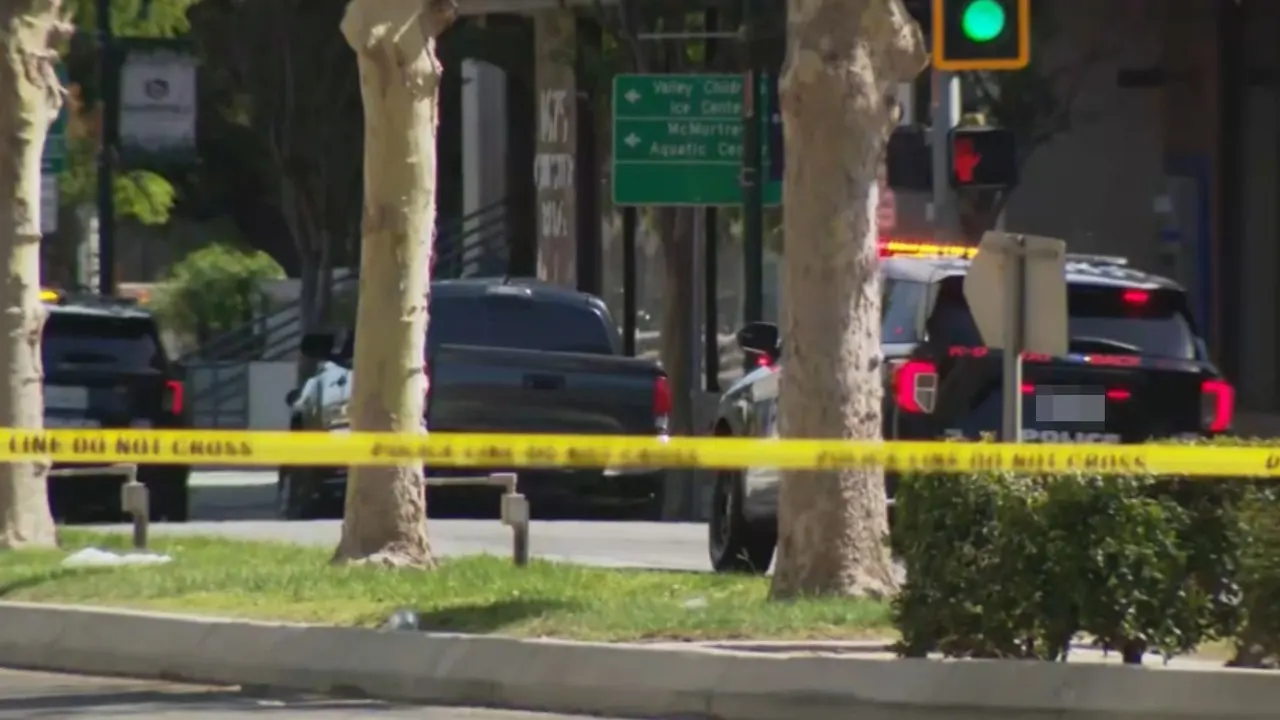
The response from local authorities was swift and massive, forever altering the physical landscape of downtown Bakersfield for the rest of that tense Tuesday. The Bakersfield Police Department immediately recognized the extreme danger of the threat and deployed a formidable array of tactical and emergency assets, converting the public streets into a high-security operations zone. Sirens echoed through the concrete corridors of the city as SWAT teams, specialized bomb squads, highly trained K-9 units, aerial drone operators, and crisis negotiators rushed to the scene to establish a secure perimeter. The scale of the emergency necessitated a widespread shutdown, forcing the department to issue urgent warnings on social media, pleading with the public to stay far away from the active scene. The ripple effects of the crisis quickly paralyzed local government operations, as several key municipal offices, including City Hall North, City Hall South, the Development Services Building, and even the Bakersfield Police Headquarters itself, were placed on immediate lockdown. The sudden closure of these public spaces underscored the gravity of the situation, replacing the usual afternoon bureaucracy with the stark reality of armed law enforcement officers patrolling cordoned-off streets, while the hum of surveillance drones overhead served as a constant reminder of the danger lurking just inside the bank’s doors.
Inside the barricaded branch, the psychological toll on the hostages grew heavier with every passing minute as hours blurred together under the threat of a potential bomb allegedly strapped to the suspect’s chest. The terrifying prospect of an active explosive device meant that any sudden movement or miscommunication could trigger a catastrophic tragedy, keeping both the captives and the emergency responders outside in a state of exhausting, high-alert stress. Yet, amidst this agonizing suspense, a glimmer of profound relief emerged shortly before 5:00 p.m. when negotiators successfully secured the safe release of one hostage. The emotional departure of this individual offered a brief, shining triumph for the law enforcement teams working tirelessly on the asphalt outside, proving that their patient, methodical approach was yielding lifesaving results. Bakersfield Police Sergeant Eric Celedon sought to reassure an anxious public during a live press briefing, confirming that while the remaining hostages were still held captive inside the building, they were believed to be in good physical health. This delicate breakthrough highlighted the fragile balance of the standoff, where the agonizing fear of those still trapped inside was momentarily eased by the knowledge that professional voices were actively working to guide them home safely.
To understand the delicate dance of human psychology occurring behind the bank’s closed doors, retired FBI Supervisory Special Agent Jason Pack provided crucial context, explaining that continuous communication is the most powerful tool law enforcement possesses in such volatile standoffs. Pack emphasized that as long as negotiators can keep a suspect talking, they maintain a vital pathway of options to de-escalate the conflict without resorting to physical force. In many high-tension incidents involving real or fabricated explosives, suspects introduce the threat of a bomb not out of a desire for immediate destruction, but as a desperate bid for leverage to force authorities to listen to their demands. By focusing on understanding the suspect’s underlying motivations, fears, and grievances, the specialized negotiation teams from the Bakersfield Police Department and the FBI could gradually build rapport and look for small concessions, such as the release of more hostages. Because any bomb threat directed at a financial institution automatically triggers federal jurisdiction, the seamless collaboration between local officers and seasoned federal agents combined local community knowledge with elite psychological profiling, creating a unified front.
As the evening wore on and daylight faded, the collective heartbeat of Bakersfield beat in solidarity with those trapped inside the Chase Bank, demonstrating the resilience of a community united in the face of terror. Family members of the hostages, bank employees’ loved ones, and concerned neighbors waited in agonizing suspense, clutching their phones and hoping for any shred of positive news from the scene. Bakersfield Mayor Karen Goh voiced the deep concern and quiet strength of the entire city, issuing a heartfelt statement expressing her gratitude to the brave first responders and her profound prayers for the physical and emotional well-being of everyone caught in the crisis. This political and social unity served as an essential emotional anchor, reminding the community that they were not powerless onlookers, but a supportive network holding their breath together. The crisis served as a stark reminder of how quickly the peace of a tight-knit community can be jeopardized, but it also illuminated the profound empathy and care that neighbors extend to one another when faced with sudden, terrifying adversity.
As darkness finally blanketed the streets of downtown Bakersfield, the standoff stretched late into Tuesday evening, with no immediate end in sight but with an unwavering commitment from everyone on the scene to achieve a peaceful resolution. The bright emergency lights of police cruisers cast long, dancing shadows against the brick facades of Chester Avenue, illuminating a landscape of persistent vigilance as negotiators continued their exhausting, quiet conversations with the barricaded suspect. Every decision made inside the command centers was weighed with immense care, knowing that the lives of innocent citizens hung in the balance of a single word or action. The dedication of the negotiators, SWAT operators, and federal partners remained absolute as they prepared to work through the night if necessary, refusing to rush a process where patience was the ultimate lifesaver. Though the street closures remained in effect and the heavy silence of the night whispered of the danger still present, the enduring hope of the entire Bakersfield community burned brightly, waiting for the moment when the remaining hostages would finally walk out of the darkness and back into the safety of their loved ones’ arms.