





For years, a persistent and rather grim narrative has echoed through the glass-walled boardrooms of Hollywood, delivered by suit-clad executives and self-proclaimed media prophets who insisted that the traditional movie theater was a relic of a bygone era. They argued, with varying degrees of condescension, that younger generations had spent so much of their formative years staring at vertical smartphone screens that their attention spans had been permanently fractured, rendering them incapable of appreciating—let alone participating in—the patient, communal magic of the big screen. Yet this clinical diagnosis completely misunderstood a fundamental truth about human nature: we are, at our core, deeply social creatures who crave shared experiences, and sitting together in a dark room with strangers to laugh, gasp, or scream remains one of the most affordable, thrilling, and enduring rituals of modern life. This enduring love for the cinematic experience has been vindicated in spectacular fashion by the unexpected, earth-shaking success of two micro-budget horror movies, Backrooms and Obsession, which have completely shattered box office expectations and left major studio releases eating their dust. Directed by Gen Z filmmakers who honed their crafts not in prestigious film schools but in the wild, unregulated trenches of YouTube, these two cinematic anomalies did not just cross the coveted one-hundred-million-dollar milestone; they tapped directly into the collective subconscious of a generation that has grown exhausted by polished, focus-grouped blockbuster formulas. By offering raw, visceral storytelling that resonates with the unique cultural anxieties of young people today, these films have proven that theatrical cinema is not dying—it is simply evolving, fueled by a grassroots passion that the old-guard industry gatekeepers are scrambling to comprehend.
The mathematical economics behind these two filmmaking triumphs read like a fever dream for independent cinema lovers and a wake-up call for risk-averse studio executives. On one hand, we have the deeply eerie Backrooms, a film birthed from a surreal 4chan internet legend that was transformed into a viral YouTube sensation by Kane Parsons, an astonishingly talented director who is celebrating his twenty-first birthday this very month. Released by indie powerhouse A24, Parsons’s feature debut shattered the studio’s historical records by pulling in an astonishing eighty million dollars in North America during its opening weekend alone, all on a production budget that squeaked in just under ten million dollars. On the other hand, Curry Barker’s Obsession has redefined what it means to build organic, slow-burning momentum in a hyper-fast digital age; filmed for an astonishingly modest sum of less than one million dollars, the movie eschewed the typical trajectory of rapid drop-offs in its second and third weeks. Instead, it rode a tidal wave of passionate, word-of-mouth recommendations that caused its ticket sales to actually grow week after week, ultimately cruising past the one-hundred-million-dollar mark in domestic revenue. To walk into an evening screening of either of these films is to find oneself surrounded by a vibrant, highly energized crowd of teenagers and twenty-somethings who have completely reclaimed the theater lobby as their social playground. For older moviegoers, witnessing these sold-out, late-night crowds is a powerful reminder that youth culture is still deeply invested in the theatrical experience, provided the stories being told speak to them in a language that feels authentic, uncompromised, and brave.
When peeling back the layers of Obsession, it becomes clear that its breakout success is rooted in how masterfully Curry Barker translates the delicate, agonizing anxieties of modern relationship dynamics into absolute, nail-biting terror. Rather than relying on cheap jump scares or heavy-handed special effects, the film draws its terrifying power from the quiet, everyday vulnerabilities of dating, consent, and the fragile, narcissistic insecurities that lurk beneath the surface of contemporary romance. At the heart of this tension is an astonishing, star-making performance by Inde Navarrette, who delivers a herky-jerky, deeply unsettling physical portrayal that effortlessly channels the iconic madness of Mia Goth in Pearl while carving out an emotional frequency entirely her own. Barker, drawing on his seasoned background in sketch comedy, understands that the line between a nervous laugh and a blood-curdling scream is razor-thin, utilizing awkward silence, lingering close-ups, and sudden shifts in facial expressions to build an atmosphere of excruciating psychological dread. Navarrette’s character balances on the edge of darkness, frequently bathed in ominous shadows that trick the audience’s perceptions, forcing us to confront that profoundly uncomfortable, highly relatable moment when you find yourself alone with a crush and must decide whether to lay your heart bare or run for your life. It is this brilliant integration of “cringe humor” and existential romantic terror that has transformed the film into an absolute lightning rod for online discourse, proving that the most petrifying monsters are often the ones we invite into our lives under the guise of love and connection.
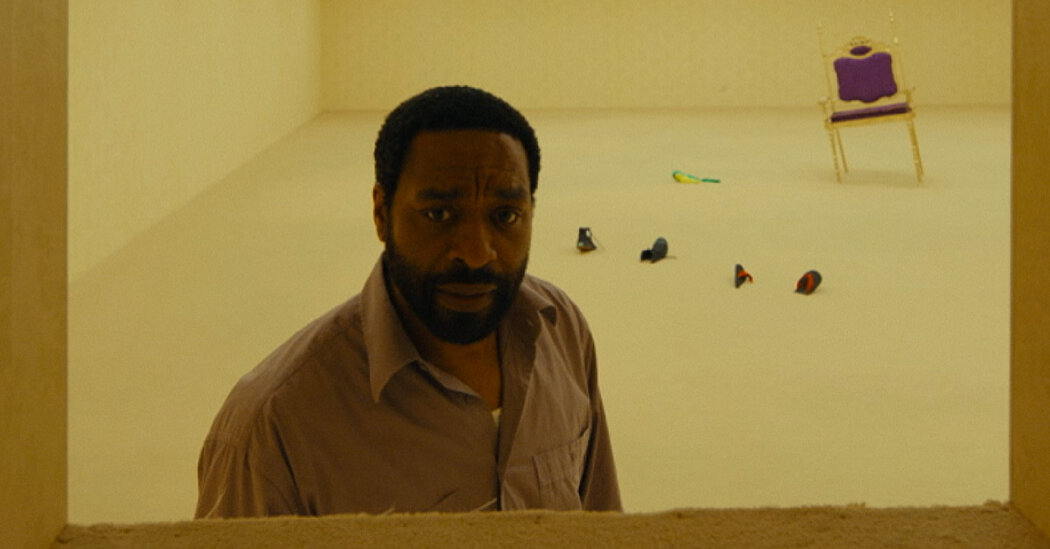
In stark contrast to the intimate, dialogue-driven human drama of Barker’s work, Backrooms triumphs by immersing its audience in a highly abstract, cerebral, and hauntingly desolate landscape of liminal dread. The film takes the unsettling aesthetic of endless, yellowing office corridors, humming fluorescent lights, and damp carpets, transforming this digital folklore into a feature-length exploration of the unknown that feels like a forgotten, analog relic from a pre-social-media internet era. Set in the 1990s—a decade that its young director, Kane Parsons, was not even alive to experience—the movie evokes a nostalgic, uncanny valley that mimics the disorienting sensation of navigating early web search engines, where one wrong click could maroon a user on a deeply strange website. While some critics have noted that the film’s expanded narrative and spoken dialogue occasionally dilute the pure, wordless terror of Parsons’s original viral shorts, its visual architecture remains a masterpiece of psychological projection. The structural wrongness of the maze—where walls terminate at impossible angles and corridors lead endlessly back to themselves—serves as a devastatingly accurate physical metaphor for the broader existential anxiety currently gripping young people today, who feel that the traditional pathways to a stable adult life have been permanently dismantled. Underneath its supernatural threats, the film captures the profound loneliness of a generation that has done everything right, checked all the traditional boxes of education and social behavior, only to find themselves trapped in an incomprehensible, uncaring bureaucratic labyrinth from which there appears to be no logical escape.
The dizzying trajectory of both Parsons and Barker belongs to a much larger, highly significant paradigm shift: the emergence of the YouTube-to-cinema pipeline as a powerful catalyst for modern pop culture. This phenomenon is not merely about young directors securing Hollywood funding; it represents a fundamental restructuring of how audiences are cultivated and maintained outside the traditional studio marketing apparatus. We have seen the precursor elements of this movement in the brilliant career of Bo Burnham, who transitioned from bedroom YouTube musical comedy to directing the exquisitely painful adolescent drama Eighth Grade, and in Danny and Michael Philippou, the Australian twin brothers whose internet filmmaking antics paved the way for their terrifying A24 horror hit, Talk to Me. Similarly, content creators like Mark “Markiplier” Fischbach have demonstrated that an artist can bring millions of pre-certified, intensely loyal viewers directly to the box office because those fans are not just purchasing a ticket for a genre IP, but are actively investing in the creative journey of a human being they have watched grow for years. This democratized landscape has effectively bypassed the traditional, out-of-touch gatekeepers who historically decided which stories deserved a platform, proving that the future of cinema lies in genuine community building. Independent creators who interact directly with their fans on a daily basis are developing a deep, intuitive understanding of their audience’s emotional lives, allowing them to craft cinematic experiences that feel like collaborative victories for their digital communities rather than top-down corporate products designed merely to satisfy shareholder demands.
As the dust settles from these twin box office cyclones, the ultimate lesson that studio executives must take away is not to blindly assemble a roster of cheap imitators or immediately green-light dozens of corporate-branded liminal space horror films. Historically, the entertainment industry’s standard response to a surprise hit is to extract its aesthetic surface elements, strip away the soul, and over-saturate the market, a strategy that would completely choke the creative spark that made Backrooms and Obsession so vital in the first place. Instead, the real wisdom lies in respecting the theatrical window, allowing stories the necessary breathing room to slowly collect word-of-mouth momentum in physical spaces rather than hastily dumping them onto digital streaming platforms where they risk being swallowed up by an endless scroll of content. True cultural phenomena require time, a commitment to keeping theater seats filled, and a willingness to embrace the wonderfully unpredictable nature of artistic risk. By empowering young, grassroots creators with absolute creative control and refusing to sanitize their eccentricities with bloated budgets or executive notes, the film industry can cultivate a rich, diverse ecosystem of cinematic storytelling that speaks directly to the hearts of the next generation. Ultimately, these films remind us that the human desire to gather in the dark and confront our deepest, most unspeakable fears together is a permanent fixture of our shared existence, and as long as visionary storytellers are given the freedom to play in the shadows of the unknown, the magic of the movie theater will never truly fade.