


A Fire in the Sky: The Story of American Airlines Flight 2398
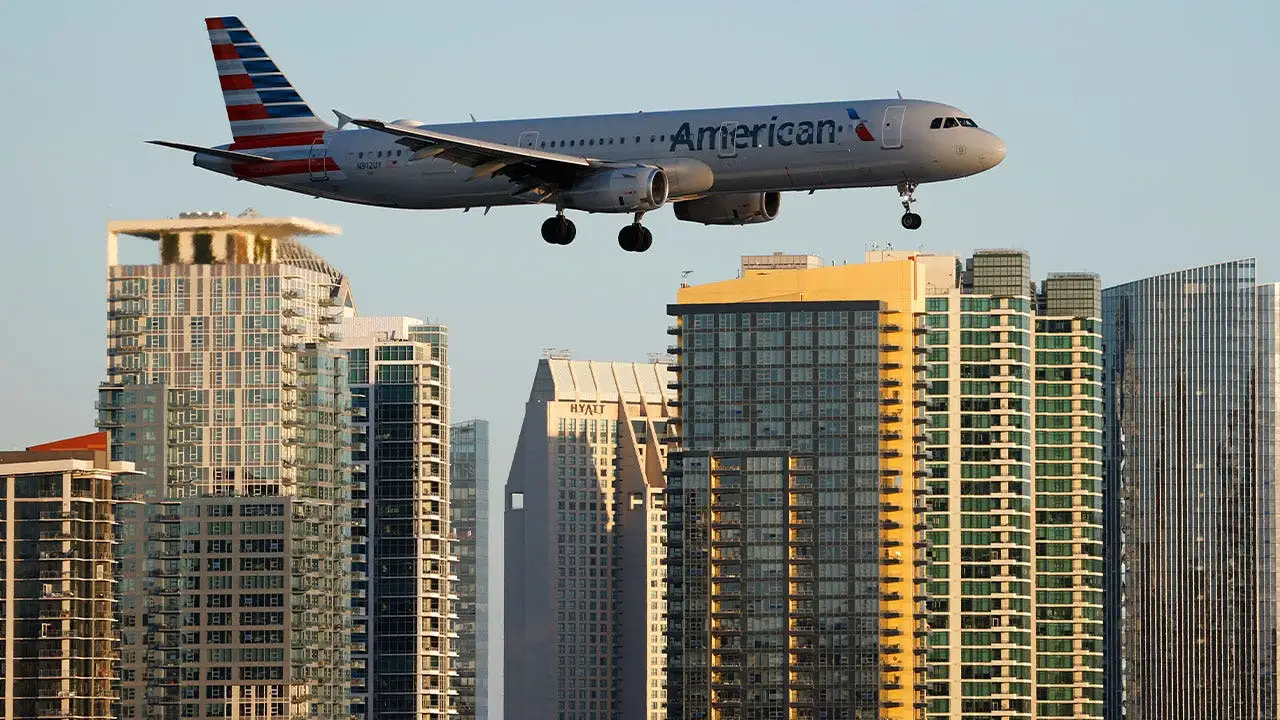
The ordinary hum of a Friday evening flight was shattered by a sudden and urgent threat. American Airlines Flight 2398, a routine journey from Atlanta to Dallas, was descending toward Fort Worth International Airport when chaos erupted in the passenger cabin. What began as a typical approach transformed into a tense, 30-minute ordeal that would test the training of the crew and the composure of everyone on board. The cause was a small, unassuming object that has become a ubiquitous travel companion for millions: a laptop. But in the confines of a metal tube hurtling through the air at 500 miles per hour, this piece of technology turned into a potential source of danger when its battery began to overheat, and then caught fire. What unfolded was a stark reminder of the hidden risks we carry in our bags and the calm coordination required to turn a potentially catastrophic situation into a story of a safe landing.
The initial moments of the incident were not marked by dramatic alarms but by the thin, acrid smell of burning electronics that likely began to permeate the cabin. For the passengers seated near the source, the concern quickly escalated from curiosity to a desperate situation. Reports from those on board indicate the owner of the laptop realized something was terribly wrong as the device began to heat uncontrollably. The faint smell quickly turned to visible smoke, and then flames as the laptop’s battery entered a state of what experts call “thermal runaway,” a chain reaction within the cell that makes it impossible to stop the heat and caused the device to ignite. The controlled chaos that followed was the first true test of this crew’s ability to react. The initial confusion was palpable, with the intense situation immediately after the smoke became visible causing some passengers to take action while the flight attendants quickly asserted their authority and initiated their trained emergency protocols.
The response from the flight attendants was nothing short of precise and exemplary. As the smoke billowed into the cabin, their performative professionalism kicked in, overriding any personal fear. Their first and most crucial task was to prevent the fire from spreading and to contain it as quickly as possible. Their primary tool in this scenario is not a traditional fire extinguisher, but a heavy-duty nylon pouch known as a thermal containment bag, commonly referred to as a “burn bag”. In what seemed like a well-choreographed dance, the crew members moved through the airplane with commendable calm, inserting the burning laptop into the specialized bag. This bag is designed to withstand extreme temperatures and suppress flames, providing a temporary barrier between the dangerous heat source and the aircraft’s crucial systems. This swift, decisive action of isolating the flame source was likely the single act that saved the flight from a far more severe outcome, as this unexpected and slightly smoky danger was successfully managed.
The actions of the crew were a shining example of emergency training translated into a real-world situation, but the tension was far from over. As the fire was being contained, the pilot’s voice came over the intercom, informing the cabin of the situation and requesting an emergency clearance from Air Traffic Control for immediate landing at the Dallas-Fort Worth airport. Simultaneously, in the cabin, the tension was reaching its peak, especially for those seated near the source of the smoke. Passenger Jessica Irgens, who was sitting just a couple of rows away from the scene, described the moment in recollections shared with news sources. She saw the intense billowing smoke creating a naturally terrifying environment for those who understood the gravity of the situation. The smoke was heavy enough to make passengers who were not directly involved in the containment move towards the back of the aircraft, attempting to seek fresher air and get as far away from the source of anxiety as possible.
The next few minutes were heartbeats. The pilot and the crew had to manage the concurrent tasks of flying the aircraft, communicating with the ground and assisting with a situation that had left the laptop owner burned and, according to initial reports, the proximity. The ever-evolving situation became a ons story of both meticulous planning on the part of the ground and validation of the training for the in-air personnel. When the wheels of the A321 touched down on the runway at Dallas Fort Worth at around 6:55 p.m., it was a moment of universal relief. Synchronous response was waiting for the plane to arrive. Airport Fire and Rescue personnel the entire emergency response team was dispatched, and dozens of professional emergency personnel were stationed at the ready positions to safely meet the aircraft on the taxiway, ready to provide the necessary immediate medical attention as it arrived the gate.
The aftermath of the incident was a testament to a process that prioritized safety above all other metrics. The aircraft taxied to the gate under its own power, showcasing the structural stability of the aircraft despite the drama, and the designated emergency responders took over immediately. One passenger, the owner of the device, was examined by the medical teams at the scene for their burns. The story, which could have been a devastating national headline, became a moment of processed efficiency, and the passenger was treated and released. The immediate crisis had passed. But the spectacle of the event leaves behind a lingering cause for thought about the intricate relationship between societal progress and new emerging dangers. The FAA is investigating this incident is a standard procedure for such events, but the incident is a testament to the changing hazards we now routinely carry aboard aircraft and a reminder of the foresight built into safety equipment used in improbable situations.
The event serves as a stark illustration of an emergent hazard that aviation authorities have been warning about for years. The entire conversation brings the focus to the lithium-ion batteries that power not just laptops, but also cellphones and a vast array of personal electronic devices. These batteries are incredibly efficient, which is why they are, but they are also fundamentally unstable. The process of thermal runaway can happen without any audible or visible warning. It can be triggered by a manufacturing defect, internal damage, exposure to extreme temperatures, or simply a spate of irregular use in ones. As we fold compact devices into every corner of our lives, the threat of something as seemingly small as a laptop battery creating a catastrophe serves as a potential reality. The Federal Aviation Administration (FAA) unequivocally confirms that these batteries are a known hazards on aircraft, the very reason for the stringent rules and the visible presence of the thermal containment bags designed to prevent a small incident from holding broader catastrophic consequences.
Comparing this instance to other recent events, like the harrowing engine fire on a United flight for former NFL quarterback Robert Griffin III, shows that these events happen rarely, but the possibility exists on every flight. Unusual reports of planes blowing tires while landing at the same airport that same day further emphasize the unpredictability in the skies. The safety of the aviation system is not static but a net of procedures, equipment, and human preparedness. The successful outcome of Flight 2398 reveals this net with the fabric of the crew’s training, the robust design of the aircraft redundancy, and the preparedness of the ground units. The passenger laptop became a focal point of anxiety, but the response validates the system that engages when human technology fails.
In the quiet hours after Flight 2398 landed, the passengers who were a part of this brief but emotionally charged flight scattered to their homes, carrying with them a story of a flight where fear gave way to relief. The safety equipment worked, but the event is an unforgettable memory for those on board. The FAA will continue its formal inquiry, but the more profound meaning of this event might be a collective re-evaluation of our habits and the safety gear that has become completely integrated into our daily routine. The same technology that keeps us connected is a potential hazard we must regard with respect. The event of the American Airlines flight was a controlled event that concluded safely. The “smoke” and “fire” that could have marked a broken moment for the activity of the American traveling public instead was transformed into a significant narrative of human hands and steady thinking overcoming imminent danger. The response is a quiet testament to the systems designed and the professionalism of those who protect millions of passengers every day which we never truly see until their true strength is tested.