






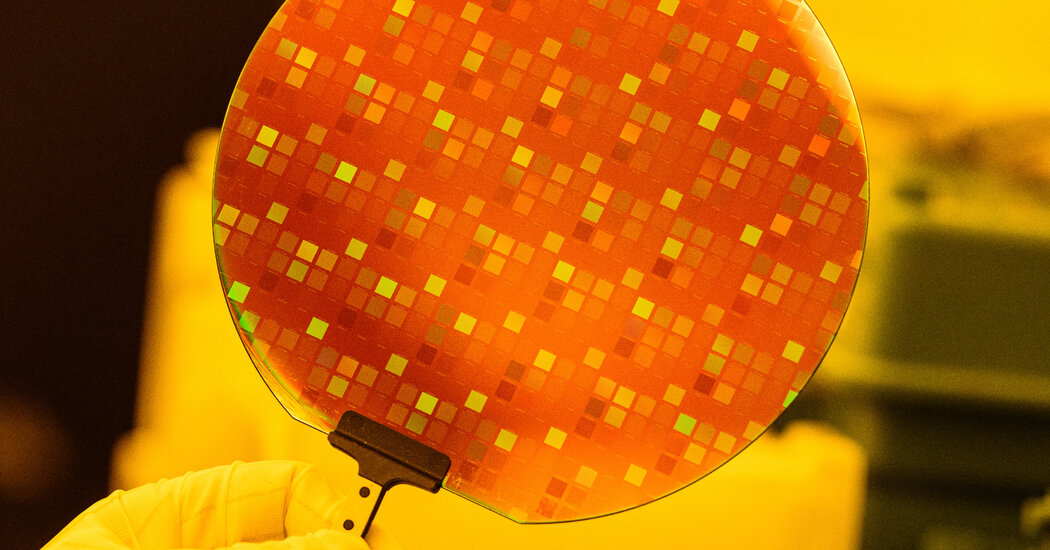
Behind the mesmerizing, almost magical promise of the global artificial intelligence revolution lies a stark, physical reality: mountains of high-performance hardware. While the public imagination is easily captured by the sleek interfaces of chatbots, algorithmic art, and autonomous machines, the actual engine driving this paradigm shift is a tiny, highly sophisticated sliver of silicon. At the absolute center of this hardware crusade stands South Korea, a nation that has quietly engineered a technological empire. For decades, the global community associated South Korean industrial prowess with the visible consumer symbols of modern life—shiny Samsung smartphones clutched in hand or sleek Hyundai electric vehicles gliding down urban highways. Yet, beneath these consumer-facing giants lay a powerhouse of memory chip manufacturing that was often taken for granted. Today, those memory chips, particularly the next-generation high-bandwidth memory (HBM) essential for feeding massive datasets into artificial intelligence models, have emerged from the shadows. They are no longer just components; they have become South Korea’s most valuable export, the crown jewel of its industrial strategy, and the glittering, high-tech face of its economic sovereignty on the world stage.
This unprecedented surge in demand has sent profound shockwaves through the country’s financial systems, permanently altering the economic destinies of thousands of everyday citizens. South Korea’s semiconductor industry now commands a staggering portion of the global market, producing over 60 percent of the world’s memory chips. This dominance has supercharged the local stock market to dizzying heights, with the benchmark Kospi index more than doubling over the past year, injecting trillions of dollars of fresh capital into the national economy. But the true human story of this windfall is found not in corporate boardrooms, but on the pristine, sterile factory floors in manufacturing hubs like Suwon, Icheon, and Yongin. Here, cleanroom technicians and engineers—individuals who spend their twelve-hour shifts zipped into head-to-toe white “bunny suits” to prevent a single speck of dust from ruining a wafer—are finding themselves at the center of an absolute gold rush. Major semiconductor players have begun distributing historic, six-figure performance bonuses to their labor force. For these ordinary workers, these massive payouts are not just corporate perks; they are life-altering events, allowing young families to pay off mortgages in a notoriously expensive housing market, clear generational debts, or secure an early, comfortable retirement.
Consequently, this sudden influx of wealth and industrial prestige has deeply penetrated the social and cultural fabric of South Korean daily life, dominating conversations across every demographic. The semiconductor boom is no longer an abstract business headline; it is the primary topic of discussion at noisy family gatherings, during hurried smoke breaks behind towering Seoul office complexes, and inside late-night online gaming lobbies. In South Korea, a society characterized by intense academic and professional competition, the massive payouts of the chip sector have created a distinct cultural divide between the “silicon elite” and those working in traditional, less-lucrative industries. There is a palpable mix of collective national pride and intense individual envy. At neighborhood Korean barbecue restaurants, conversations regularly drift toward the stock portfolios of chip companies and the legendary bonus packages of distant cousins who chose engineering majors over medicine split-second decisions years ago. The silicon boom has become the prism through which South Koreans view their personal financial security, their social standing, and their country’s collective ambition to lead the technological future.
This intense cultural fixation is most vividly reflected in the country’s hyper-digital public square, where online trends move at a speed unmatched by almost any other nation. In chronically online South Korea, the internet is not just a tool for communication, but a highly sensitive thermometer that registers the immediate political, social, and economic temperature of the population. As the calendar turned to 2026, this digital landscape transformed into a hotbed of “semiconductor mania,” giving birth to an entirely new lexicon of colorful memes, clever satire, and sophisticated internet slang. On anonymous corporate forums like Blind and popular online communities like DC Inside, workers and spectators alike use humor to process the absurd scale of the wealth being generated. These viral neologisms serve as a cultural coping mechanism for the relentless pressure of the industry, allowing people to mock the grueling hours of the cleanroom life while simultaneously celebrating the financial security it brings. The nation’s digital spaces are flooded with self-deprecating memes about the stark contrast between the sterile, robotic precision required to manufacture these chips and the chaotic, deeply human desires of the people who make them.
Yet, behind the humor and the glittering bonus checks lies an immense, crushing weight of national expectation and geopolitical vulnerability. In South Korea, the semiconductor industry is frequently referred to as the country’s “Silicon Shield”—a critical geopolitical asset that ensures the nation remains indispensable to global superpowers like the United States and China during a time of fragmentation. This strategic reality places an extraordinary burden on the younger generation of engineers, who are expected to defend this industrial fortress against aggressive competition from manufacturing rivals in Taiwan, the United States, and Europe. To feed this insatiable machine, the national educational pipeline has pivoted dramatically, with elite universities partnering directly with tech conglomerates to establish specialized “semiconductor departments” that fast-track teenagers straight from high school into the corporate cleanroom. While this path promises immense wealth, it also demands rigorous academic and physical sacrifice, highlighting the societal trade-offs of a nation that has tied its entire economic future to the microscopic pathways of a memory chip.
Ultimately, this incredible era of technological triumph and cultural obsession is best understood through the very words the South Korean people use to describe it. The slang, inside jokes, and viral catchphrases born on the subways of Seoul and the message boards of tech campuses offer an intimate window into how a society adaptively processes rapid, defining structural changes. To help outsiders appreciate the human core of this historic economic miracle, we have curated a comprehensive guide—presented in a narrative quiz format—detailing the most popular slang terms, workplace jargon, and subcultural references that have come to define South Korea’s historic 2026 semiconductor boom. This collection is more than a list of catchy internet terms; it is a living history, a cultural archive of a proud, highly connected, and fiercely resilient people navigating a high-stakes gold rush that is currently reshaping not only their own personal lives but the digital foundations of the entire modern world.