





A Forgotten Yard and Broken Dreams
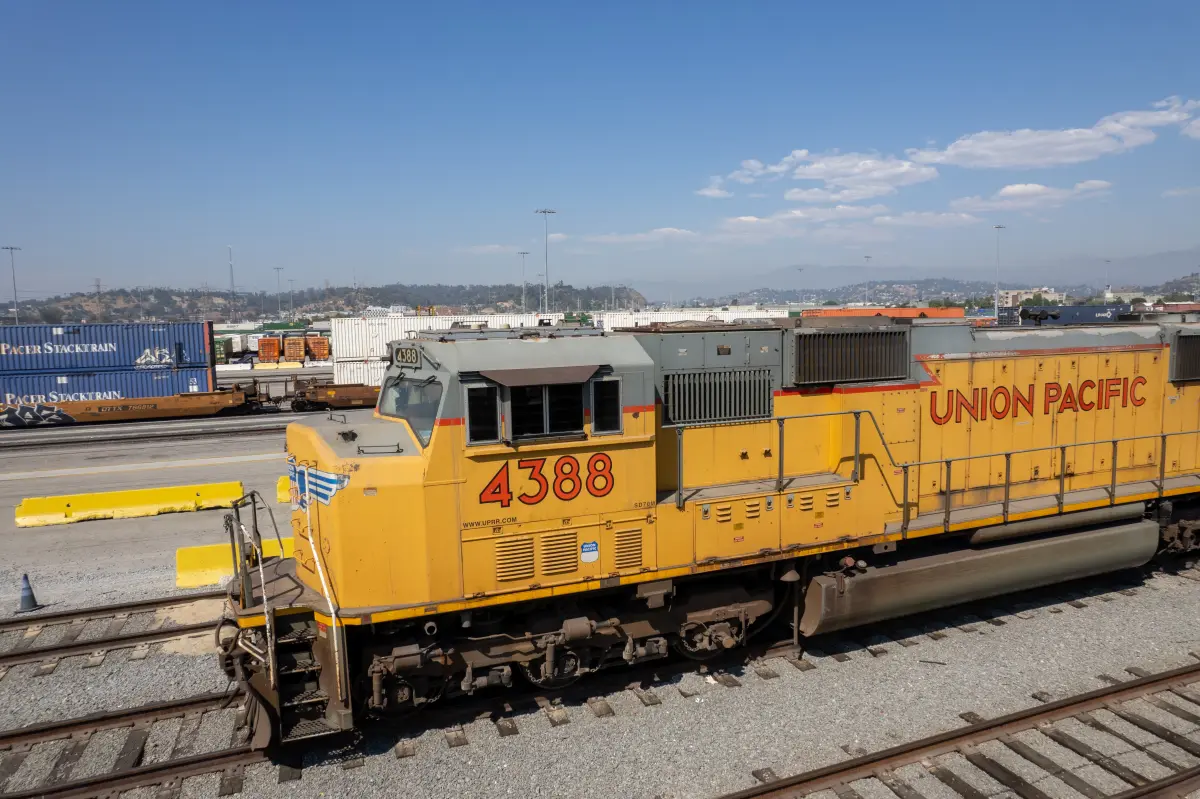
In the sweltering heat of a Texan summer, where the sun beats down relentlessly and the border with Mexico looms like a distant promise of hope or peril, a chilling discovery shook the quiet outskirts of Laredo. It was Sunday, and the mercury had climbed to a punishing 97 degrees Fahrenheit, according to the National Weather Service, turning the air thick and unforgiving. Amid this haze, a Union Pacific worker made his routine check of the sprawling train yard—a remote, dusty expanse near the Mexican border that Investigator Joe Baeza from the Laredo Police Department likened to a loading dock at a seaport, but for sprawling rail cars groaning under the weight of goods and hidden cargoes. This place, nestled in isolation, is where trains unload their burdens from international journeys, a nexus of labor and logistics that few ever think about. But on this day, the worker stumbled upon something unimaginable: six lifeless bodies crammed inside a sealed boxcar, their forms a silent testament to tragedy. The boxcar stood as a grim relic, its metal sides baked by the sun, its interior a tomb that had claimed these unknown souls. Authorities confirmed the deaths immediately, but the cause remained a mystery shrouded in secrecy. There were no survivors, no signs of struggle, just stillness. As Baeza explained, “It’s where they load and unload a lot of rail cars,” emphasizing the yard’s role as a hub for the ceaseless flow of freight across borders. Union Pacific released a statement through spokesman Daryl Bjoraas, expressing sadness and pledging cooperation with law enforcement. The company, a behemoth in the rail industry, was quick to distance itself from the horror, focusing on investigation rather than speculation. Yet, the incident evoked echoes of past misfortunes in these same borderlands, where human desperation intertwines with the machinery of migration.
The discovery painted a stark picture of vulnerability, humanizing the narrative beyond mere facts into stories of lives cut short. These were not just bodies; they were people whose journeys had led them to this desolate spot, perhaps seeking better fortunes or escaping dire circumstances south of the border. Migrations across the Rio Grande have long been fraught with danger, trafficked by opportunistic smugglers who exploit the desperation of those fleeing poverty, violence, or instability in Mexico and Central America. The train yard, with its labyrinth of tracks and secluded areas, becomes a perilous waypoint—a modern-day frontier where the American dream collides harshly with reality. One can imagine the boxcar as a makeshift vessel of hope, packed not with goods, but with aspirations: families dreaming of reunions, individuals chasing freedom from oppressive regimes, or workers seeking the economic boom promised in the United States. But instead, it became a crucible of despair. Temperatures like those on Sunday exacerbate the risk; the scorching heat can turn an enclosed space into an oven, draining life slowly and mercilessly. Police have yet to reveal the identities or origins of the deceased, leaving a veil of anonymity that adds to the heartache. Were they migrants, as history suggests? Or perhaps migrants themselves trapped in a cycle of human smuggling gone wrong? The lack of details forces us to confront the humanity eroded by such tragedies—the dignity stripped away, the stories untold. Baeza and his team stood at the scene, firefighters and cops alike bearing witness to a tableau that no training could fully prepare them for. As the investigation unfolds, every clue might unravel threads of smuggling networks, negligent operators, or sheer misfortune, but for now, it’s a reminder of how fragile life is in these border shadows.
Echoes of Past Tragedies Along the Rails
This wasn’t an isolated event; the rails that snake along the Texas-Mexico border have borne witness to darker chapters before. Just a year prior, in 2023, another locked train car yielded horrors mere miles away, 20 miles east of Uvalde. Twelve migrants were discovered there, two already dead, crammed into a sweltering compartment that had languished under the relentless Texas sun. That incident drew national attention, highlighting the perilous gambles undertaken by those crossing illegally, often at the mercy of coyotes—human traffickers who charge exorbitant fees for promises of safe passage, only to abandon their clients in inhumane conditions. The Uvalde case underscored the lethal toll of heatstroke and dehydration, as migrants suffocated in confined spaces while authorities scrambled to respond. Earlier, in 2022, a ghastly find in the back of a tractor-trailer revealed 53 migrants, their demise a direct result of the truck’s stifling interior, left in San Antonio. These Parallel tragedies illustrate a grim pattern: migrants, desperate and deceived, become cargo in vehicles ill-equipped for human survival. The Laredo boxcar incident fits this macabre mosaic, evoking comparisons that chill the blood. One can almost hear the silence of those previous victims—the gasps for air in oppressive heat, the fading hopes amidst the clattering of wheels on tracks. For the families left behind, these losses ripple outward, compounding grief with uncertainty: were their loved ones the victims of smugglers who undervalued human life for profit, or of systemic failures in border security and rail oversight? Humanizing these incidents requires empathy for the journeys undertaken—weeks of arduous travel through deserts, evading patrols, driven by dreams of education, employment, or simply safety.
The Bystanders and the Blur of Normalcy
In the aftermath of the boxcar discovery, life in Laredo continued with a veneer of normalcy, but the community grappled with the undercurrents of fear and reflection. The worker who found the bodies, an ordinary employee performing his shift, must carry the weight of that moment—the shock of opening a car expecting cargo and finding carnage instead. We’ve all encountered those who labor in unseen roles, like railroad workers toiling under harsh conditions, their days mundane until catastrophe intrudes. Baeza, the investigator, painted a picture of the site as a bustling yet hidden hub, a place where trains from distant lands arrive laden with imported goods, and occasionally, with heart-wrenching surprises. Firefighters and cops at the scene weren’t just responders; they were people with families, confronting the fragility of existence in a town where border tensions simmer constantly. Residents, many of whom have Mexican heritage or ties to cross-border life, might feel the incident’s sting more acutely, reminding them of loved ones who traverse those forbidden paths. Conversations in local cafés or on social media likely swirled with speculation—was this an accident, a crime, or the inevitable fallout of illegal crossings? Union Pacific’s statement highlighted the company’s sadness, but one wonders about accountability for how trains like this are secured. Humanizing the bystanders means acknowledging their humanity: the worker’s nightmares, the officers’ stoic resolve, the town’s collective unease. It’s easy to distance ourselves from news like this, but these are real people shaped by a system that prioritizes commerce over compassion, where profits from freight overshadow the perils of human desperation.
The Heat, the Border, and Unanswered Questions
Laredo’s Sunday high of 97 degrees wasn’t just weather; it was a contributing villain in this unfolding drama, turning the boxcar into a lethal environment. Texas summers are notorious for their ferocity, with heat indices that can soar higher, making enclosed spaces without ventilation akin to death traps. Perhaps suffocation in that blistering confinement, compounded by possible carbon monoxide or exhaust fumes, led to the victims’ demise. But without an autopsy, the cause remains speculative—a autopsy that investigators must wait for. Weather services reported the temperature as extreme, but the true impact was felt inside that stationary car, where shade and breeze were absent. Along the border, such heatwave tragedies have become a recurring horror, emblematic of broader issues like climate’s cruel overlay on human movement. Migrants often plan their crosses during cooler hours, but smugglers, driven by haste, may ignore forecasts, leading to fatal miscalculations. The six bodies, unidentified and originless as per police reports, represent a gaping void in the narrative—were they from Central America’s beleaguered nations, Mexico’s struggling regions, or farther? Each might have had aspirations: a young man seeking to send remittances home, a mother reuniting with children, dreams dashed by the unrelenting sun. Humanizing this requires imagining their final moments—not as statistics, but as individuals enduring agony, their fates sealed by exploitation and environmental severity. The border’s harshness amplifies the tragedy, a line that separates fortunes yet unites in suffering, where heat becomes a metaphor for the scorching inequities of migration.
The Ongoing Investigation and Broader Implications
As authorities delve deeper, the investigation promises to unravel more than just facts; it could expose layers of a shadowy underworld. Laredo Police, alongside federal agencies like Border Patrol or perhaps Homeland Security, will scrutinize the train’s journey—likely originating in Mexico, crossing the border under protocols that sometimes leave gaps. Were smugglers involved, stowing migrants as illicit freight? Or was this a tragic accident of stowaways who perished en route? Past cases hint at patterns: migrants hidden in railcars, abandoned when the train halts, or locked in by smugglers fleeing capture. Union Pacific’s cooperation underscores the rail giant’s role, defending its operations while acknowledging the human cost. Yet, critics might point to lax security in remote yards, where cameras and patrols are stretched thin. This incident echoes calls for reform in migration policy—stricter border measures, humanitarian aids, or initiatives tackling root causes like violence in SEND countries South of the border). For the deceased, justice means identifying them, notifying kin, and preventing repeats. Humanizing the probe involves empathy for investigators poring over evidence, perhaps DNA or personal effects, piecing together lives from fragments. It’s a reminder that behind every headline lies dismantled dreams, and every victim’s story begs for systemic change to honor their lost potential.
Reflections on Humanity Amidst the Machinery
In the grand tapestry of border life, this boxcar tragedy serves as a poignant reminder of humanity’s resilience and fragility. While trains symbolize progress—connecting economies and cultures—they can also become vessels of despair when human ingenuity perverts migration into peril. The six lost souls, though nameless now, embody the countless who risk everything for a shot at dignity. Their deaths highlight inequalities, where wealth gaps and geopolitical strife drive people to deadly gambles. For those reading this, it prompts introspection: How do we humanize border stories beyond sensationalism? By advocating for humane policies, supporting migrant rights, and fostering empathy across divides. Baeza’s description of the yard as a seaport analog evokes transience, like ships carrying hope, yet here, the cargo was life itself. As Laredo adjusts, the community might mourn quietly, but the echoes will spur dialogue on immigration’s human face. Ultimately, these incidents humanize migrants—not as threats, but as protagonists in a fraught saga of survival, urging society to bridge gaps with compassion rather than walls. In remembering them, we honor the enduring spirit that even in death, lashes against indifference.