




The forecast calls for a remarkably dry Fourth of July weekend in the legendary beachfront enclaves of the Hamptons, but the dryness has absolutely nothing to do with the summer weather. Instead, a seismic cultural shift is sweeping through the historic summer destination as young, affluent partygoers increasingly turn their backs on the high-octane beach-club drinking habits of the past. Across New York City and its coastal retreats, the younger demographic—primarily composed of Gen Z and younger millennials—is systematically shunning traditional, alcohol-fueled bottle service, leaving nightlife proprietors and seasoned restaurateurs scrambling to devise inventive food and beverage alternatives that can match their evolving preferences. Aymeric Clemente, the accomplished CEO of the Bagatelle Restaurant Group, has observed this evolution firsthand from his vantage point at the helm of global luxury dining. Clemente fondly remembers an era when a night out in the Hamptons was defined by a chaotic race to hit as many packed venues as possible and determine how much alcohol one could consume; today, however, he acknowledges that such a frantic lifestyle has faded into history. Modern youth still deeply value socializing and heading out onto the town, but their approach is markedly calmer, slower, and focused on savoring the moment rather than rushing toward a state of intoxication. This emerging preference for mindful, deliberate gathering has completely transformed the atmosphere of high-end seaside lounging into a more reflective and sophisticated affair.
Despite the cooling enthusiasm for heavy spirits amongst younger crowds, the cost of securing a prime seat at the Hamptons’ most coveted tables continues to command astronomical prices this holiday weekend. At ultra-exclusive destinations like LDV At The Maidstone in East Hampton and Barlume Beach in Montauk—both managed by the prestigious LDV Hospitality—reservations for a single table can range anywhere from $3,000 to a staggering $20,000. John Meadow, the visionary founder and president of LDV Hospitality, points out that the sights and sounds of the Hamptons have fundamentally transformed over the past few decades, noting that it has been a very long time since he witnessed anyone ordering rounds of shots, a stark contrast to his own youthful memories of running around the South Fork twenty-five years ago. To entice these health-conscious yet high-spending patrons to imbibe, some restaurateurs are pulling out all the stops, even going so far as to lower their pricing in a bid to stimulate demand. At Calissa in Water Mill, restauratuer James Mallios has strategically reduced his bottle service prices down to a range of $650 to $850, a noticeable reduction from the previous pricing structure of $700 to $1,000, with typical group packages running up to $2,500. While Mallios happily serves alcohol-free mocktails to guests who request them, he purposefully keeps them off their own designated menu category. Reflecting on the realities of running a business, Mallios pragmatically admits that he makes his living selling food and beverage to pay his mortgage, making him hesitant to endorse the cultural narrative that moderate alcohol consumption is inherently negative. Seeking a modern compromise, Mallios is currently looking to integrate cannabis-infused beverages into his venue’s offerings, having recently applied for a license that would tie into his ownership of Charlie Fox, a licensed dispensary located in Southampton.
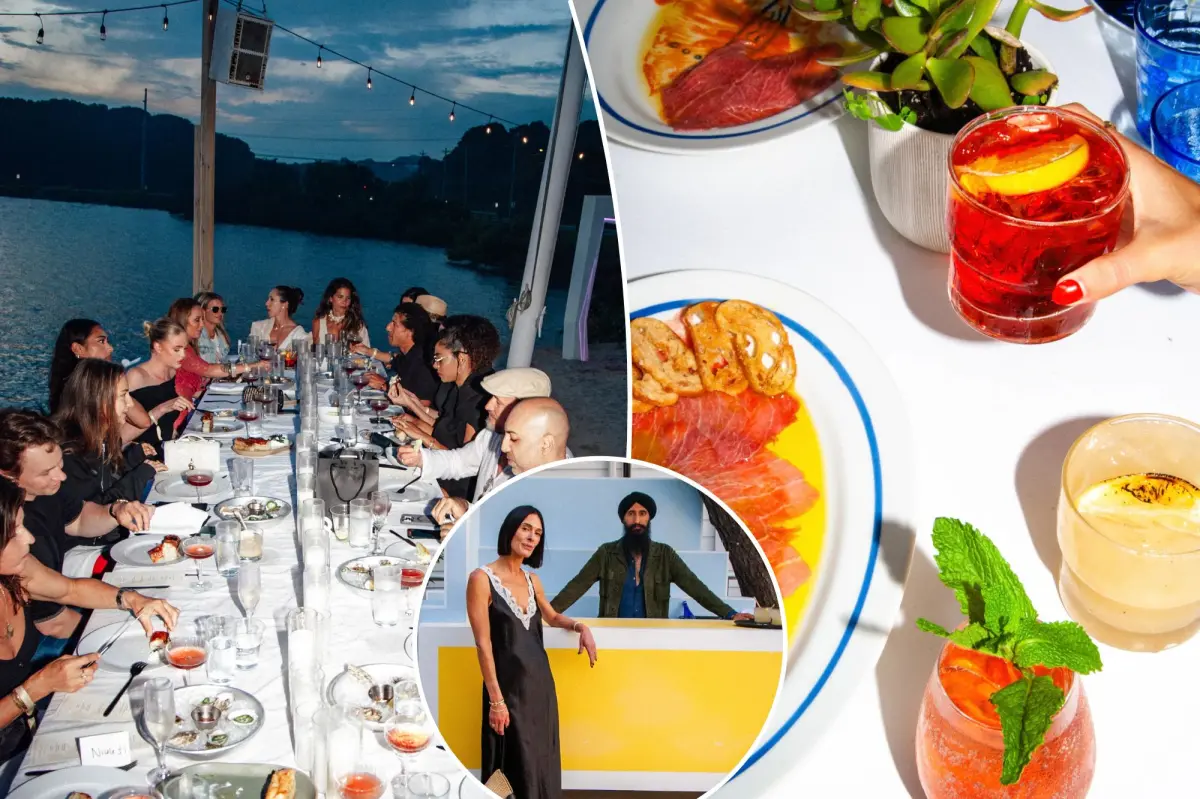
Further east in Montauk, the legendary Surf Lodge has also had to adapt to the increasingly sober habits of its trendy Gen Z clientele. Owner Jayma Cardoso has watched the evolution of summer party culture unfold in real time, observing that while older generations might have ordered case after case of expensive champagne, today’s twenty-seven-year-olds are far more likely to split a single bottle of bubbly while happily nursing fresh-pressed organic juices and premium, zero-proof beers. With Surf Lodge tables commanding up to $1,000 per person, Cardoso remains deeply committed to delivering an unforgettable and luxurious experience for her guests, regardless of whether they choose to drink alcohol. To ensure her tables remain high-yield and highly sought after, she has introduced creative and decadent new menu offerings, including exquisite tins of caviar sourced from the prestigious Caviar Kaspia, which can run as high as $595 for a generous 12.5-ounce serving. In a brilliant move of high-low culinary juxtaposition, Cardoso has also introduced towering, Instagram-worthy platters of crispy Popeyes chicken tenders priced at $150 each, which have quickly become a sensation among late-night lounge guests. Furthermore, the venue’s newly launched weekly supper club features sophisticated drink pairings, including a non-alcoholic sparkling elixir designed by multi-talented actor and designer Waris Ahluwalia, famous for his memorable appearances in Wes Anderson’s films. This elegant beverage serves as a perfect zero-proof surrogate for champagne, allowing guests seated at the lodge’s coveted deck tables—which require a food-and-beverage minimum spend of $500 to $1,000 per head—to toast the summer season with style and sophistication.
While the youthful tastemakers of today are steering toward wellness and sobriety, the wild, free-spending spirit of Hamptons nightlife is far from dead—it has simply shifted toward older, more established demographics. Indeed, the hardest-partying and highest-spending patrons on the East End this holiday weekend are likely to be members of Gen X and older generations who still show an unyielding appreciation for classic luxury indulgence. LDV Hospitality’s John Meadow maintains a highly optimistic outlook for his businesses by focusing his energy and attention on this deeply loyal, mature clientele, noting with a touch of humor that while a whole world of younger people are drinking less, older people are still eagerly spending massive amounts of money on high-end wine and spirits. To Meadow, the modern high-end dining scene is less about pushing alcohol and far more about selling “real estate”—providing a stunning, exclusive physical space where people can gather, connect, and enjoy an unparalleled atmosphere for a premium price. This sentiment is echoed by Cobi Levy of Prince Street Hospitality, who recently launched the gorgeous Alba Spiaggia at the historic Montauk Yacht Club. Levy recognizes that while the youthful demographic is no longer consuming spirits at past levels, his business continues to thrive by catering to an entirely different customer base: the sophisticated connoisseur who visits specifically to pair an exquisite, vintage bottle of Barolo with a carefully crafted dinner, proving that the traditional appreciation for culinary excellence and fine vintage wines remains as robust as ever.
This vibrant energy of culinary reinvention and expansion is not confined solely to the beachfront properties of Long Island, as New York City’s legendary dining scene continues to witness historic milestones and exciting growth. Alidoro, the iconic Italian sandwich shop that first opened its doors in SoHo in 1986, is celebrating its landmark 40th anniversary with an aggressive expansion across the metropolitan area. Under the strategic leadership of CEO Jon Streep, the beloved brand is set to open a beautiful, 1,000-square-foot location at One Madison Avenue on July 9, to be followed by highly anticipated outposts at the Empire State Building and JFK Airport’s Terminal 6 later this year, with a planned expansion into the Financial District by 2027. Alidoro’s long-standing success is rooted in its incredible menu of twenty-one signature Italian sandwiches, expertly prepared using premium imported and domestic meats, fine cheeses, marinated vegetables, and luxurious house-made spreads like black garlic mustard and truffle cream on fresh-baked artisanal bread. This winning formula has turned their current locations—spanning Bryant Park, Rockefeller Center, Moynihan Train Hall, The Hugh in Midtown East, JFK Terminal 8, and the original SoHo location on Sullivan Street—into bustling midday hotspots where lines of hungry professionals regularly stretch around the block. To celebrate the sport of soccer and tap into the excitement of NYC Tourism’s “Kick It in NYC” Match Day program, Alidoro is currently offering “Il Calcio,” a delicious Italian twist on the classic Cuban sandwich, alongside an outdoor pop-up cart at Rockefeller Center serving their famous Gothamist and Pinocchio sandwiches during live tournament viewing parties running from July 6 to July 19.
For dinner jacket crowds and discerning food lovers seeking a quieter, deeply refined culinary experience within the city, the Upper East Side offers a magnificent sanctuary in Sushi Akira. This highly acclaimed, female-led, twelve-seat omakase restaurant has earned a cherished recommendation from the prestigious Michelin Guide and represents the pinnacle of intimate Japanese dining. The restaurant is steered by the exceptionally talented chef and owner, Chef Nikki Zheng, who honed her formidable skills at some of the most revered culinary institutions in the world, including Masa, Sushi of Gari, and Sushi Nakazawa in New York, as well as the legendary three-Michelin-starred Quintessence in Tokyo. Chef Zheng’s remarkable journey and rigorous training are beautifully reflected in Sushi Akira’s exquisite new seasonal menu, which showcases the absolute finest ingredients sourced both locally and globally. Guests seated at the quiet, minimalist counter are treated to a parade of stunningly presented delicacies, such as dry-aged Sea Bream accompanied by a refreshing cucumber jelly, delicate Aori Ika (bigfin reef squid) seasoned with fresh yuzu zest, juice, and sea salt, and prized Murasaki uni, a premium purple sea urchin known for its rich, buttery texture and sweet ocean flavor. From the shifting, wellness-oriented social scenes of Montauk’s beachfront lounges to the bustling, historic sandwich counters of Midtown Manhattan and the elegant sushi bars of the Upper East Side, New York’s culinary landscape continues to reinvent itself, proving that whether consumers are looking for high-end zero-proof elixirs, legendary Italian street food, or sophisticated omakase, the city’s restaurateurs stand ready to deliver world-class experiences.