






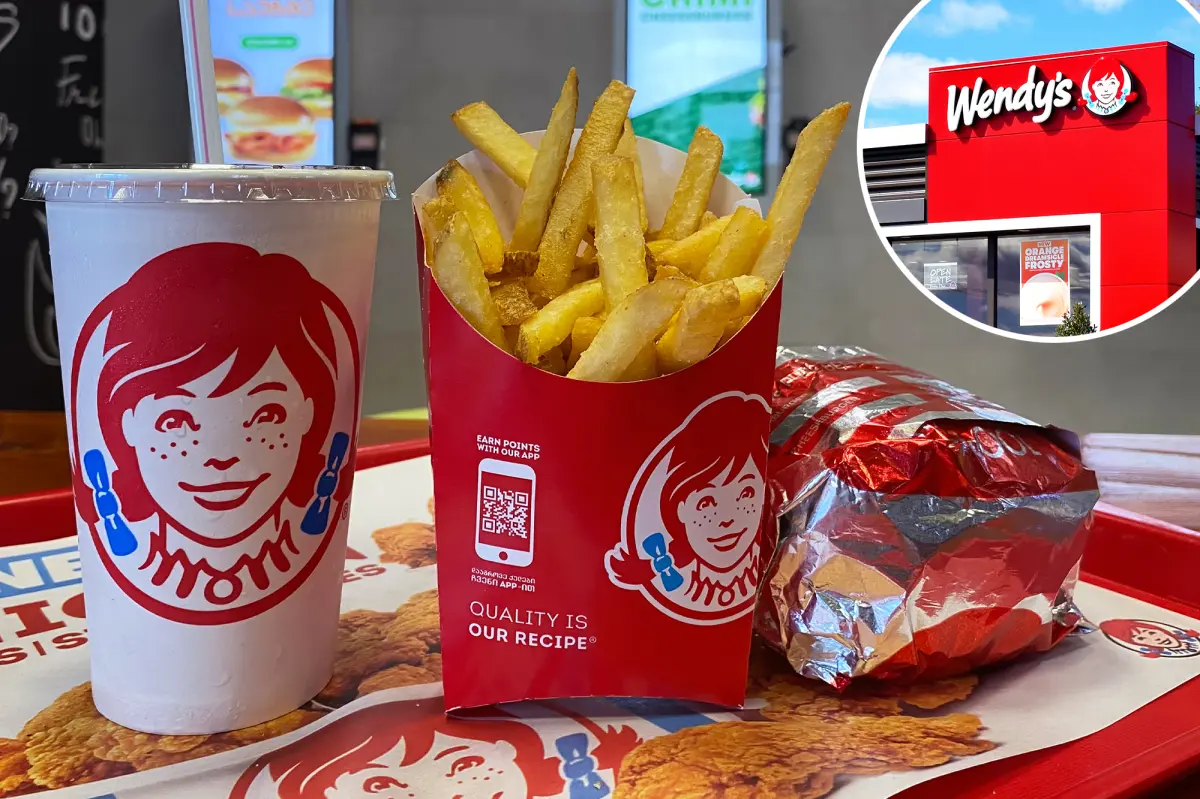
Wendy’s Sweet and Sour dipping sauce has always held a special place in the hearts of fast-food enthusiasts, especially those of us who grew up dunking our nuggets and fries into its tangy, perfectly balanced blend of sweetness and acidity. It’s not just a condiment; it’s a nostalgic link to countless family dinners, late-night cravings, and spontaneous drive-thru indulgences. So, when Wendy’s decided to scrap it back in September 2025 as part of a major menu overhaul, the reaction was visceral—almost like losing a dear old friend. The chain was phasing out classics like Ghost Pepper Ranch and BBQ in favor of shinier newcomers: Signature, Scorchin’ Hot, Creamy Ranch, Honey BBQ, Honey Mustard, and Sweet Chili. On the surface, it seemed like a fresh start, a way to excite younger crowds and keep the menu modern. But for fans, it felt like disrespecting the roots of what made Wendy’s special. Imagine logging into your favorite social media feeds and seeing complaints pouring in from across the country—all united in their outrage. Posts about how Sweet and Sour wasn’t just a sauce but a pillar of childhood memories flooded platforms, with hashtags like #BringBackSweetSour trending unexpectedly. People shared stories of their first bites, evoking the joy of simpler times when a quick meal could turn into a heartfelt ritual. Some admitted they hadn’t even realized how much they relied on that flavor until it vanished, sparking a wave of emotional debates about corporate decisions that overlooked loyal customers. It was a reminder that in the world of big chains, small details like a beloved dip can ignite a firestorm, turning casual eaters into passionate advocates overnight. This backlash wasn’t just noise; it was a testament to how fast food intertwines with personal identities, making us feel seen—or in this case, unheard—by the brands we support.
As the months dragged on from September to December 2025, the pressure from fans escalated. Thousands of comments, posts, and tags demanded the sauce’s return, creating a digital echo chamber where every dissatisfied tweet amplified the collective voice. Wendy’s, ever attuned to its audience through savvy social media monitoring, watched in real-time as the sentiment shifted from disappointment to downright frustration. Influential voices joined the chorus, turning the issue into a relatable drama that everyone could engage with. Content creators and everyday users alike painted the removal as a betrayal, sharing humorous skits and heartfelt pleas that highlighted how integral Sweet and Sour was to their routines. It wasn’t just about the taste; it was about the heart of the experience—those golden nuggets losing their sparkle without the dip. Fans reminisced about family traditions, like kids insisting on it with every order, or adults using it as a comfort food during stressful days. The campaign felt like a grassroots movement, proving that consumer power could challenge corporate plans. By December, the outcry was too loud to ignore, forcing Wendy’s to reverse course publicly. A spokesperson, speaking to USA TODAY, acknowledged the fervor: “After nearly seven months of thousands of social media comments, posts, and tags demanding its return, the beloved tangy, savory dip is back.” It was a victory for persistence, showing how online communities can sway big businesses, transforming individual grievances into a unified stand.
Yet, the comeback came with strings attached, adding a layer of suspense to the saga. On April 27, 202 warrants, Sweet and Sour officially graced the menus again, but only for a limited time. Wendy’s framed it as a test of devotion, urging customers to show their love by ordering the sauce liberally and engaging enthusiastically on social media—liking, commenting, and sharing posts to prove its staying power. This approach felt clever, like a reality TV twist where fans had to earn permanence for their favorite condiment. It humanized the brand, portraying Wendy’s as a listener rather than a dictator of diets, always evolving based on what resonated. A spokesperson elaborated, “At Wendy’s, we’re always listening to our fans—and they made it clear they wanted Sweet and Sour sauce back. It’s available now for a limited time only. However, Wendy’s fans can ultimately determine if it sticks around by ordering the sauce with their meals and getting loud on social media.” This strategy sparked conversations about loyalty and engagement, where fans had to vote with their wallets and voices. For many, it reignited the excitement of discovery, encouraging them to experiment with pairings—like slathering it on salads or using it as a base for homemade dips. The limited-time caveat created urgency, turning casual bites into deliberate acts of support. In a way, it fostered a sense of community ownership, where each order became a statement. Fans, feeling empowered, shared recipes and challenges, blending nostalgia with fresh creativity to keep the momentum alive.
One standout figure in this narrative was content creator Jaz Smith, whose passionate TikTok video in October became a viral catalyst for change. Smith, capturing the essence of fan fury, posted a heartfelt rant titled “appalled” by the sauce’s removal. “This is so serious,” she exclaimed, her eyes wide with genuine emotion on camera. “I think Wendy’s has the best sweet and sour, and I’m appalled that they would do such a thing. So this is my plea to Wendy’s to bring back sweet and sour.” Her video wasn’t polished or scripted; it was raw, relatable storytelling that reflected the disappointment many felt in their living rooms and kitchens. Smith embodied the everyday hero, using her platform to amplify the cries of thousands, proving how influencers can galvanize movements. By December, her advocacy paid off when Wendy’s directly involved her in the announcement, inviting her to share the update. In a follow-up TikTok, Smith beamed with joy: “No dream is ever too big. You guys, we did it … I had a call with Wendy’s and they agree that the sauce does need to come back. It will take some time to bring back, but there will be some exciting things in the meantime.” Her journey highlighted the power of personal narratives in the digital age, where a single voice can bridge the gap between consumers and corporations, turning frustration into triumph.
Fan reactions to the sauce’s return poured out like a flood, weaving a tapestry of humor, nostalgia, and earnest pleas that made the whole ordeal feel profoundly human. One commenter captured the global dimension of the drama, lamenting, “I’ve been out of the US for 8 years and did not know this tragic news that sweet and sour isn’t a regular sauce anymore?? It’s literally my childhood and every child deserves to have their nuggets with sweet and sour.” The words evoked a sense of universal longing, connecting ex-pats and locals in shared memories of that iconic flavor. Others got playful with their warnings: “If you get rid of sweet and sour again, I will sit at the door of your headquarters and yowl like a stray cat,” added a feline flair to the threats. Meanwhile, declarations like “This sauce is my Roman Empire. PLEASE dont get rid of it again” and “I swear if you guys take it back and hurt me like this again, this relationship is over” used exaggerated relationship metaphors to underscore the emotional investment. These comments painted a vibrant picture of a community bonded by food, where loyalty teetered on the edge of playful ultimatum. People shared anecdotes of how the sauce enhanced meals—from enhancing the crispiness of fries to elevating simple chicken sandwiches—transforming it into more than just a condiment but a conversation starter. Some parlayed the victory into broader demands, like “I would pretty please like to see Ghost Pepper Ranch return also,” expanding the dialogue to other cut items. This outpouring wasn’t just feedback; it was a celebration of persistence, reminding us that in the fast-food world, customer stories can steer the ship.
In the end, the Sweet and Sour saga serves as a charming reminder of how brands and consumers can dance together in the era of social media, creating narratives that blend marketing strategy with genuine connection. As fans stock up on the sauce—fearing another temporary farewell—they’re invited to keep the conversation alive, ensuring this tangy delight doesn’t slip away again. Wendy’s move to make permanence conditional on engagement smartly empowers users, turning passive eaters into active participants in the brand’s evolution. For those of us hooked on that perfect mix of sweet and sour, it feels like a fairytale ending where hope, hashtags, and a dash of social savvy won the day. Whether it endures or not, this episode underscores the magic of collective voices—proving that sometimes, all it takes is a little noise to bring big changes. So, next time you dip into that nostalgic sauce, remember the stories behind it: the creators who fought for it, the fans who rallied, and the brand that listened. In a world of constant menu shifts, Sweet and Sour stands as a testament to what we cherish, one flavorful bite at a time.