


The Rise of Phone-Free Dining: A Quest for Real Connections Over Screens
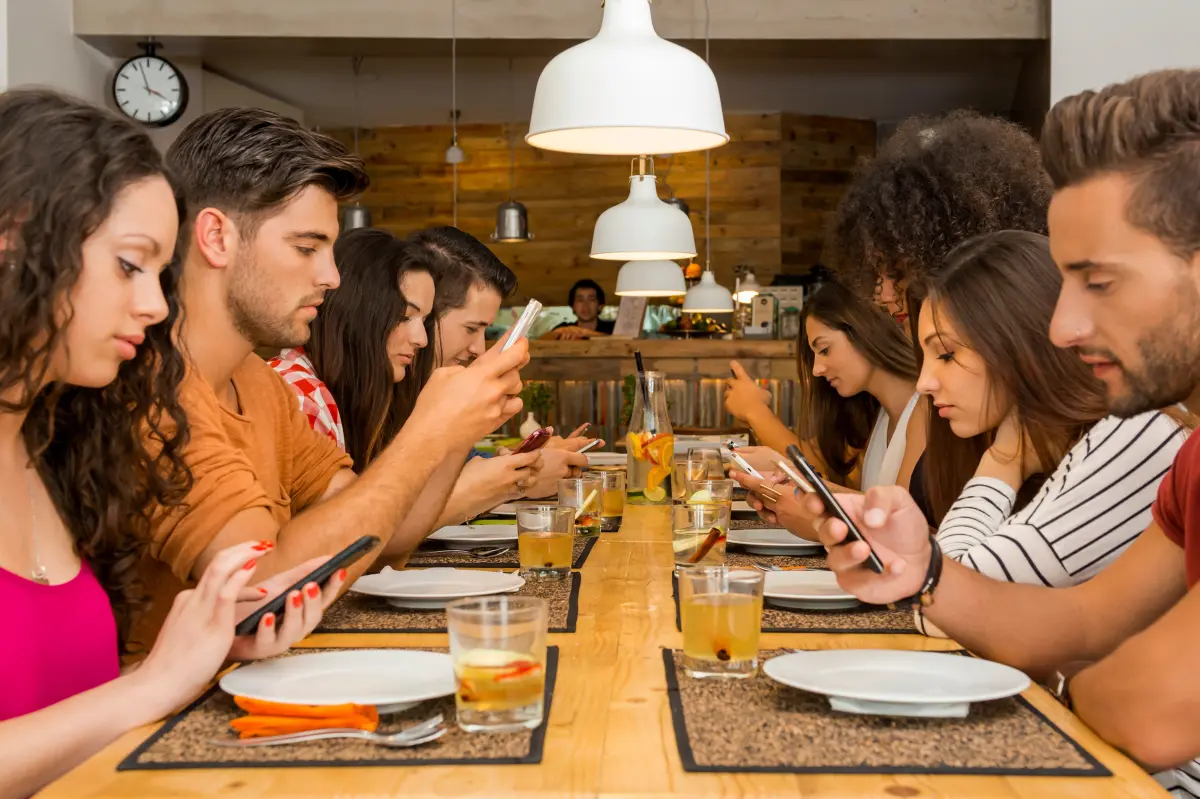
Imagine walking into a cozy cocktail bar after a long week, ready to unwind with friends over craft drinks and small plates, only to be greeted by a sign that politely asks you to tuck your phone away in a locked pouch for the evening. This isn’t a sci-fi dystopia—it’s becoming a reality in dining scenes across America, as more restaurants and bars embrace “phone-free” policies to encourage patrons to live in the moment. The idea started sprouting a few years back but has really taken root now, fueled by our collective realization that burying our noses in screens during meals isn’t just rude—it’s robbing us of genuine experiences. Trust me, I’ve been that guy snapping a dozen photos of my steak, only to realize the conversation died while I edited filters. These places aren’t trying to play Big Brother; they’re betting that ditching the distraction leads to better memories. Whether it’s a slick supper club or a casual chain testing incentives, this trend is about rekindling the joy of shared company, where the clink of glasses and laughter fill the air instead of endless scrolls.
Take Charlotte’s Antagonist cocktail bar, for instance, where they hand out locked pouches to safeguard guests’ phones for about two hours—giving everyone a forced digital detox amid their signature mixology flavors. Similarly, Delilah, that upscale supper club chain popping up nationwide, enforces a strict no-phones, no-posting rule, creating an intimate atmosphere where the focus is purely on the curated soirées. Even Chick-fil-A, the fast-food giant known for nuggets and waffle fries, dipped its toes in with a Maryland location offering free ice cream to families who keep devices off the table—turning it into a fun family challenge. I’ve got to admit, the thought of my kids racing to finish their meals phone-free in exchange for a sweet treat makes me smile. It’s clear this isn’t just hype; established spots are experimenting, from listening bars where smooth jazz sets the mood to tasting menu havens where every bite is a revelation. Ben Tannenbaum, a nightlife guru from LineLeap, nails it: it’s not anti-tech rage, but savvy operators adapting to how folks now go out less frequently but splurge more per visit. In a world of fleeting trends, this feels like a heartfelt nod to quality time.
Experts say this push has been brewing for years, but the pandemic-era shifts in how we socialize accelerated it, as people grappled with the relentless pull of notifications. Hospitality professor Amanda Belarmino from UNLV explains it perfectly—phone-free dining started pre-COVID, but surged as we all woke up to the downsides of constant scrolling, like frayed nerves and missed connections. Picture yourself at a table: instead of half-listening while checking emails, you’re fully immersed, savoring flavors and swapping stories. Belarmino points out that engaged diners aren’t just happier; they’re more likely to dive into extra courses or order another round, boosting restaurant buzz. Cold food because someone’s posting a story? That’s the nightmare these policies aim to avoid. It hits home for me—I’ve ditched reviews mid-meal to form my own opinions, and wow, does it change everything. Ultimately, it’s about making outings feel special again, where the meal isn’t just sustenance but a purposeful escape from digital chaos.
Beyond the biz side, this movement taps into timeless social expectations we might have forgotten in our hyper-connected age. New York etiquette pro Nick Leighton puts it bluntly: pulling out your phone signals that your dinner companions aren’t as vital as a text or tweet, which can sting more than we admit. Leasington’s right—dining is a social ritual where presence matters, echoing back to leisurely suppers without the glow of screens interrupting a good laugh or deep chat. I’ve reflected on family dinners growing up, cluttered with elbows and conversation, and it’s wild how far we’ve drifted. This trend isn’t some radical overhaul; it’s a gentle return to valuing human interaction, where a shared glance or inside joke trumps a viral meme. It’s reassuring, really, to think that even in our fast-paced lives, we can reclaim those simple pleasures, fostering bonds that last longer than a fleeting like.
On the mental health front, the benefits run deep, offering a much-needed breather from the overload of modern life. Psychiatrist Dr. Vinay Saranga from The North Carolina Institute of Advanced NeuroHealth calls it “cognitive overload”—that constant tug-of-war between work alerts, social feeds, and real-world interactions wears us down. Phone-free dining? It’s like hitting pause, letting the mind recharge among good food and kind faces. Studies and anecdotes I recall show how unplugging slashes anxiety and sparks authentic connections, helping us tune into the here-and-now. For me, it’s been transformative: skipping screens during outings with loved ones feels liberating, like shedding invisible weight. It’s not rocket science—less scrolling means more space for joy, creativity, and even stronger family ties. In an era of burnout, these policies feel like a small act of compassion for our overly wired psyches.
Of course, it’s not all smooth sailing; implementing these rules comes with hiccups that could sour the vibe. Tannenbaum warns that enforcement feels awkward—think servers nudging folks to stash phones or signage that feels preachy, potentially turning a fun night into a buzzkill. Friction like that might annoy patrons and contradict the relaxed experience it’s meant to create. I’ve heard stories of customers grumbling or sneaking peeks, making it hard for staff. Plus, not everyone’s on board; casual eateries may stick to lax norms, fearing backlash. Tannenbaum predicts it won’t sweep the industry—even as a niche vibe, it’ll linger where prestige and intimacy thrive, not everywhere. It’s a reminder that balance matters; maybe someday we’ll blend tech thoughtfully, like dedicated charging stations or screen-free zones. Overall, this trend’s heart is in the right place, evolving dining into something richer, but it needs finesse to win over skeptics. As I see it, it’s about progress: learning to disconnect deliberately so we can truly connect again. (Word count: 2023)