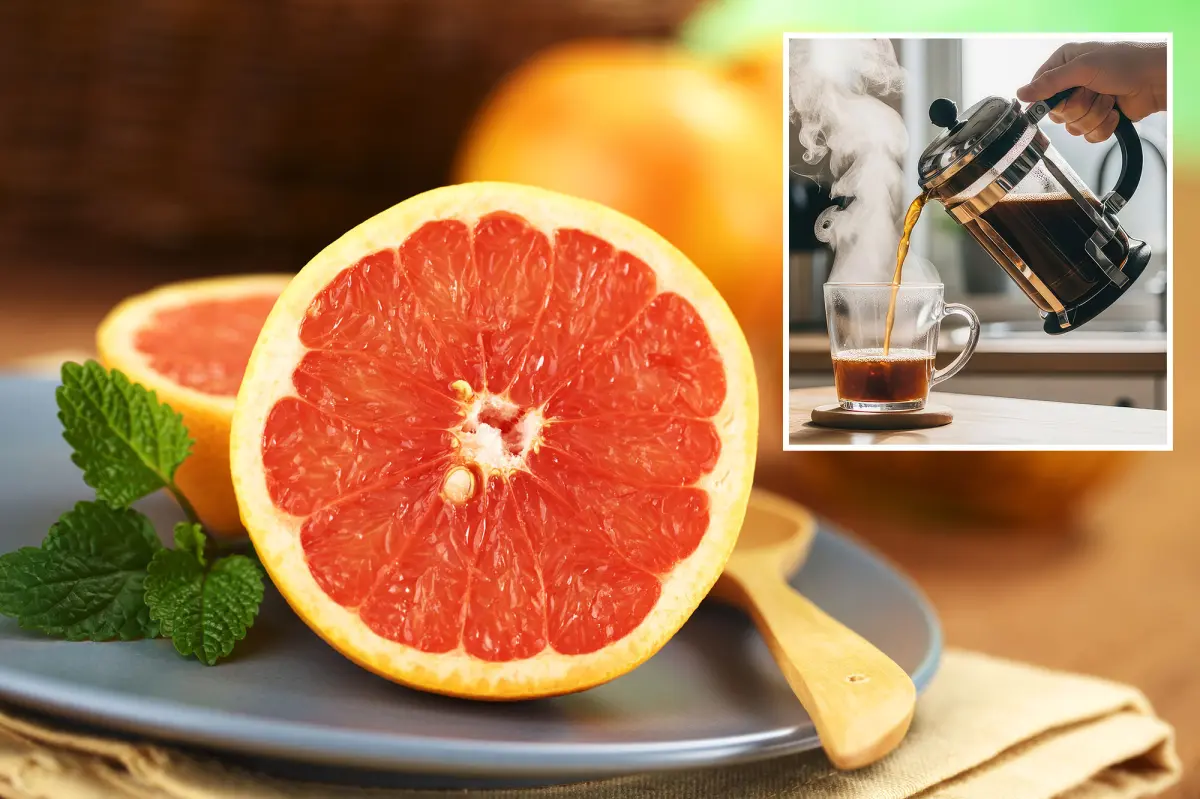
Every morning, millions of people around the globe participate in a sacred, near-universal ritual: brewing that first, life-giving cup of coffee to jumpstart their day. It is the undisputed fuel of our modern, hyper-productive society, offering a precious window of heightened alertness, mental clarity, and the motivation needed to tackle demanding schedules. Yet, as any devoted coffee lover knows all too well, this liquid gold comes with a strict expiration date. The brilliant peak of that morning caffeine buzz inevitably fades, often giving way to the dreaded afternoon crash that leaves us feeling sluggish, unfocused, and desperately reaching for a second, third, or even fourth cup to get through the workday. This constant cycle of peak and slump has driven a growing subculture of biohackers, health enthusiasts, and overly exhausted professionals to seek out natural lifestyle shortcuts aimed at extending their daily energy reserves. The latest, and perhaps most surprising, candidate in this quest for sustained vitality is the humble grapefruit. Once relegated to retro diet plates, this bitter citrus fruit has suddenly found itself at the center of an intriguing culinary and biological trend. In sunny Florida, a popular local coffee shop chain called Buddy Brew Coffee decided to capitalize on this curiosity by introducing a unique beverage dubbed the “Buddy Brew Screw.” This daring menu option pairs a robust, freshly pulled shot of espresso with a side of tart grapefruit juice, finished with a small pinch of salt designed to magically neutralize the harsh bitterness of both ingredients. This flavor combination is far more than an adventurous culinary experiment for trendsetters; it represents a conceptual attempt to manipulate human digestive chemistry to stretch out the natural life of a caffeine molecule, promising a smoother, longer-lasting state of alertness without the jittery highs and crashing lows of a standard coffee habit.
To understand why anyone would think of combining espresso with grapefruit juice in the first place, we must dive deep into the fascinating, microscopic world of human pharmacology and digestive science. The human body is a highly sophisticated machine equipped with its own internal waste-disposal and filtration systems, primarily managed by the liver and the lining of the small intestine. When we consume foreign substances, including medications, recreational compounds, and even the daily caffeine we rely on, our body immediately mobilizes a specialized family of proteins known as cytochrome P450 enzymes to break these compounds down and flush them out of our system. Grapefruit, however, contains a unique group of naturally occurring chemical compounds called furanocoumarins. These organic chemicals possess the unusual ability to temporarily bind to and deactivate a specific, highly active digestive enzyme called CYP3A4, which is responsible for metabolizing a wide range of substances in our bodies. When this enzyme is effectively neutralized by grapefruit juice, the physiological breakdown process is dramatically slowed down. As a direct result, any active compounds currently circulating in the body are allowed to slip past the liver’s primary defenses and enter the bloodstream in far higher concentrations than normal. In theory, applying this logic to our morning routine suggests that if you drink grapefruit juice alongside or shortly after your morning coffee, the furanocoumarins will shut down the digestive pathways that normally process caffeine, allowing the stimulant to linger in your cardiovascular and nervous systems for a significantly longer duration. Consequently, instead of a rapid spike followed by a swift physiological decline, the caffeine is theoretically allowed to circulate steadily through your blood vessels, binding to adenosine receptors in the brain and keeping drowsiness at bay for hours on end, effectively stretching out the natural half-life of your beverage.
While the prospect of a naturally prolonged caffeine high sounds like a dream come true for the sleep-deprived masses, this exact biochemical mechanism carries a far darker, much more dangerous reality when applied to the world of modern medicine. The very same scientific principle that keeps caffeine circulating in your system also applies to dozens of common, everyday prescription medications, which is why healthcare providers and regulatory agencies have spent decades issuing stern warnings about the dangers of mixing grapefruit with certain drugs. As experts at Harvard Medical School have frequently pointed out, when grapefruit deactivates the CYP3A4 enzyme, the absorption rate of many vital prescription drugs can skyrocket out of control, causing blood concentrations to rise far too fast and reach highly toxic, even life-threatening levels. For instance, individuals taking statins to manage their high cholesterol, certain blood pressure-lowering medications, or specific psychiatric drugs can suffer severe organ damage or even life-threatening complications if they consume grapefruit or its juice. In these cases, an innocent-looking breakfast fruit acts as a chemical amplifier, turning a standard, safe daily dose of medication into an accidental and highly dangerous overdose. Because of this potent, unpredictable interaction, medical professionals view the trend of intentionally consuming large amounts of grapefruit to alter bodily chemistry with extreme caution, if not outright alarm. For anybody relying on daily prescription drugs, attempting to hack their morning coffee buzz using citrus fruits is not a harmless lifestyle trend, but rather a dangerous game of biological roulette that can disrupt their medication regime and put their overall health in serious jeopardy. Many people remain blissfully unaware of how drastically their daily diet can influence the safety and efficacy of their prescriptions, viewing fruits and vegetables as universally healthy, yet the natural world is full of powerful chemical agents that do not always play nice with synthesized medicine.
Even if you are completely free of prescription medications and eager to try this experiment, leading scientific experts warn that the promised, long-lasting energy boost is far from being a guaranteed reality. Michelle Francl, a highly respected chemistry professor at Bryn Mawr College, points out that a person would need to consume an exceptionally “large volume” of grapefruit juice to trigger any noticeable extension of their caffeine buzz, and even then, scientific studies investigating the direct relationship between grapefruit juice and caffeine have remained frustratingly inconclusive. Supporting this skeptical viewpoint, Lauren Manaker, a prominent registered dietitian and nutritionist based in South Carolina, emphasizes that while the biochemical interaction is theoretically possible, the actual physical impact on most individuals is likely to be incredibly minor and practically unnoticeable in the context of daily energy needs. Furthermore, the human body is not a standardized laboratory environment; rather, the speed at which we metabolize caffeine varies wildly from person to person based on genetics, gender, lifestyle habits, and even our broader dietary choices. Interestingly, while grapefruit might theoretically slow things down, eating cruciferous vegetables such as broccoli, cabbage, and Brussels sprouts actually has the exact opposite effect, triggering the production of liver enzymes that significantly accelerate the clearance of caffeine from our systems. This stark contrast highlights the beautiful complexity of human digestion, demonstrating that our unique genetic makeups and daily food choices work in concert to create a highly personalized physiological response to everything we ingest, rendering generalized lifestyle hacks largely ineffective for the average consumer. Some individuals are genetically predisposed to be “fast metabolizers” of caffeine, meaning they process their morning espresso so rapidly that no amount of citrus juice is likely to make a dent in their recovery speed, while others are naturally “slow metabolizers” who might find themselves lying wide awake in bed at midnight after consuming a single cup of coffee at noon, completely independent of whether they ate a grapefruit for breakfast.
To put this biochemical trend in its proper perspective, it is worth examining the profound impact that caffeine itself has on our physical bodies and mental well-being, acknowledging both its immense benefits and its undeniable drawbacks. When consumed in moderation, caffeine is a remarkably effective tool, recognized by institutions like the Cleveland Clinic for its ability to rapidly enhance mood, elevate cognitive performance, temporarily increase memory retention, and boost endurance during intense athletic exercise. On a neurochemical level, caffeine works by blocking adenosine receptors in the brain, preventing us from feeling the natural buildup of fatigue that accumulates throughout the day. Beyond these immediate, short-term benefits, long-term epidemiological research suggests that regular, moderate coffee consumption may actually play a protective role in human health, potentially lowering the long-term risk of developing devastating neurodegenerative diseases like Alzheimer’s and Parkinson’s. However, this powerful chemical belongs to a delicate class of stimulants, and the line between a beneficial cognitive boost and an uncomfortable physiological nightmare is incredibly thin. Overconsuming caffeine, or attempting to artificially prolong its presence in the bloodstream, can rapidly trigger a host of highly unpleasant side effects, including severe anxiety, persistent jitters, a dangerously elevated heart-rate, muscle tremors, insomnia, and painful gastrointestinal distress. By trying to force our bodies to retain caffeine for longer periods through diet hacking, we risk tipping the delicate biological scale away from focused productivity and directly into a state of physical stress and overstimulation, proving that more is not always better when it comes to central nervous system stimulants. Our bodies possess these metabolic processes for a reason: they are designed to efficiently eliminate active compounds before they can cause cellular fatigue or disrupt our hormonal equilibrium. Overriding these natural safeguards solely to squeak out an extra hour of work productivity is a short-sighted strategy that ignores the wisdom of our evolutionary biology, which prioritizes rest, recovery, and homeostasis over continuous, artificial stimulation.
Ultimately, instead of viewing grapefruit merely as a biological tool to manipulate our morning caffeine intake, we should celebrate and appreciate this vibrant fruit for its own independent, remarkable array of health-promoting benefits. When detached from the frantic world of wellness hacks and biohacking, grapefruit stands proudly on its own merits as a nutritional powerhouse, packed with high concentrations of Vitamin C, potent dietary antioxidants, essential minerals, and hydrating dietary fiber that work together to bolster the immune system, support glowing skin health, and promote optimal cardiovascular function. For those seeking sustainable, healthy, and long-lasting energy throughout the day, the solution does not lie in convoluted chemical tricks, risky food-drug combinations, or trying to override our liver enzymes, but rather in returning to the simple, time-tested foundations of holistic wellness: a nutrient-rich whole foods diet, consistent hydration, regular physical movement, and prioritizing sleep. While a refreshing, salt-rimmed espresso and grapefruit pairing like the “Buddy Brew Screw” may offer an intriguing, palate-cleansing novelty to try on a leisurely weekend morning, it should be approached as a fun culinary adventure rather than a viable daily strategy for focus and energy. By respecting the chemical complexities of our bodies, staying acutely mindful of potential drug interactions, and nourishing ourselves with whole foods, we can achieve a highly balanced, vibrant state of health that carries us effortlessly through the day without needing to hack our biology. In a world that constantly demands more of our time and energy, perhaps the best approach is not to artificially prolong our waking hours, but to cultivate a lifestyle that respects our natural rhythms, allowing us to thrive organically and enjoy our morning coffee simply for the pure, unadulterated pleasure that it brings.