


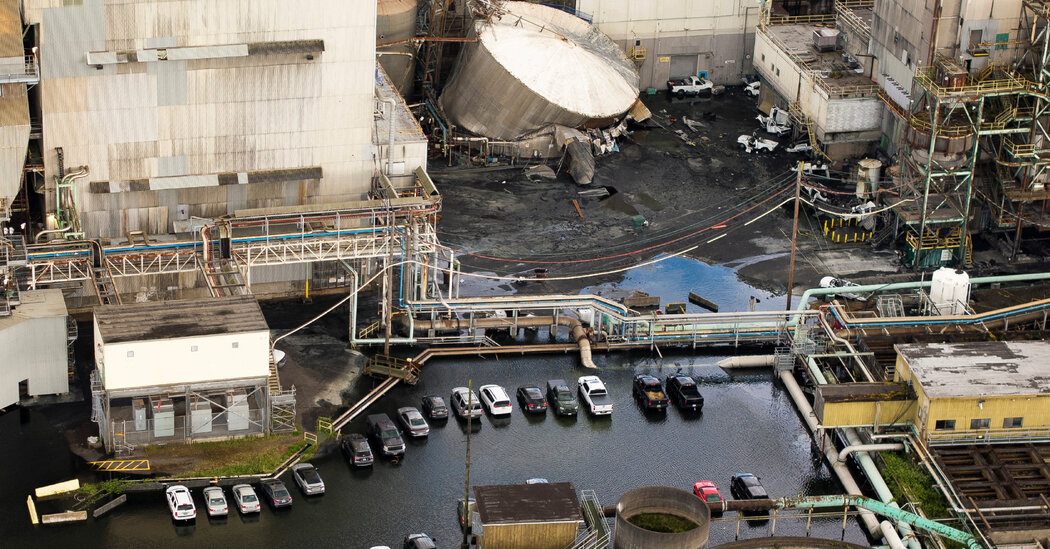
On a quiet Tuesday morning in Longview, Washington, a town deeply anchored by the rhythmic humming of heavy industry along the Columbia River, the lives of hundreds of families were irrevocably altered in a single, devastating moment. The peace of the Pacific Northwest morning was shattered when a massive storage tank containing 600,000 gallons of a highly corrosive chemical mixture known as “white liquor” suddenly and catastrophically exploded at the Nippon Dynawave Packaging plant. Used primarily in the Kraft process to break down raw wood chips into the sturdy packaging board used for juice cartons worldwide, the superheated, alkaline chemical erupted with volcanic force, ripping through the industrial facility. The sheer violence of the blast disintegrated structural steel, warped concrete foundations, and flung heavy industrial equipment across the complex, transforming a routine workplace into a chaotic landscape of toxic slurry, fire, and twisted metal. As thick plumes of vapor drifted into the sky, the true scale of the nightmare began to emerge, signaling the start of what would become one of the deadliest industrial disasters in modern American history, forever scarring this tight-knit riverfront community.
The true weight of this tragedy is measured not in destroyed infrastructure or gallons of spilled chemicals, but in the devastating, permanent loss of eleven irreplaceable human lives. At the time of the sudden explosion, the victims had gathered in a central muster area—a routine daily meeting spot where colleagues typically shared morning coffee, traded stories about their families, and received their daily work assignments before heading to their stations. In an instant, this communal space of camaraderie became ground zero, claiming the lives of men who were the backbones of their households and beloved threads in the fabric of Longview. Over days of excruciating waiting, Cowlitz County Coroner Dana Tucker began the heartbreaking task of identifying the deceased, bringing agonizing closure to families who held onto vanishing hopes. The community now mourns the loss of Gilbert Bernal, 52; Tyler Covington, 29; Brad Covington, 27; Robert Wilson, 48; Dale Miller, 54; Jared Ammons, 35; Braydon Finkas, 38; Clinton Doran, 26; John Forsberg, 51; Norman Barlow, 58; and Dillon Miller. The presence of shared surnames among the victims subtly hints at the deeply intertwined generational ties of this town, where working at the mill is often a proud family tradition passed down from fathers to sons, making this collective loss cut doubly deep into the heart of the community.
For the emergency responders and specialized recovery teams, the days following the blast were a grueling test of physical endurance, meticulous precision, and emotional fortitude under exceptionally hazardous conditions. Led by the dedicated crews of Cowlitz 2 Fire & Rescue, search teams were forced to navigate a precarious labyrinth of unstable structural ruins, dangling sheet metal, and highly toxic pools of caustic white liquor that coated the entire disaster site. Because the chemical residue posed immediate, severe chemical burn and inhalation risks, responders could not simply rush into the rubble; instead, they had to wear heavy, suffocating protective hazmat suits and breathing apparatuses, undergoing an exhaustive decontamination process every single time they entered or exited the hot zone. Deputy Chief Kurt Stitch described the operation as incredibly methodical, intense, and profoundly difficult for everyone involved, as crews literally sifted through the wreckage by hand to locate their fallen neighbors. While seven of the missing workers were reverently recovered by Thursday, it would take until Saturday morning—nearly five days after the initial blast—for searchers to locate and bring home the final two missing workers, bringing a somber end to the active search and rescue phase.
This catastrophic event has cast a long, anxious shadow over the economic future of Longview and the broader Pacific Northwest timber and paper manufacturing industry, which has historically served as the lifeblood of the region. Nippon Dynawave Packaging is far more than just a landmark along the water; it is a vital economic anchor employing approximately 550 workers in stable, well-paying manufacturing jobs that are increasingly rare in today’s globalized, automated economy. For over a century, paper mills have sustained generations of local families, funding schools, supporting small businesses, and defining the blue-collar identity of the communities lining the Columbia River. However, decades of globalization, shifting consumer demands, and economic consolidation have forced many regional mills to close their doors forever, leaving the surviving plants as precious sanctuaries of stable middle-class livelihood. With operations at the plant now completely halted and its future clouded by structural ruin and regulatory investigation, a quiet dread has settled over the workforce, who are left to wonder if the facility can ever recover from such a monumental human and structural catastrophe, or if this tragedy will deal a devastating secondary blow to the local economy.
Beyond the immediate human and economic toll, the explosion triggered an urgent environmental emergency as state and federal agencies rushed to assess and mitigate the ecological fallout of the massive chemical spill. Because “white liquor” consists of highly alkaline sodium hydroxide and sodium sulfide, contact with the chemical can be lethal to fish and devastating to marine ecosystems, prompting around-the-clock monitoring of the air quality, soil, and nearby waterways by environmental scientists. Fortunately, federal and state environmental officials determined that the vast volume and swift current of the mighty Columbia River successfully diluted the runoff below harmful thresholds, preventing a larger-scale ecological disaster in the main river channel itself. However, the threat remained highly localized, as toxic chemical runoff entered the city’s complex storm drainage system, forcing public health officials to issue strict warnings advising residents and pet owners to stay entirely away from regional creeks and open drainage ditches. While municipal authorities confirmed that the city’s drinking water systems remained safe and untouched, the lingering chemical hazard serves as a stark, sobering reminder of the delicate balance between heavy industrial production and the preservation of the surrounding natural environment.
As the smoke clears and the active search shifts to a quiet cleanup, the long, painful path toward healing, accountability, and answers begins for the grieving residents of Longview. The Cowlitz County Coroner’s office continues the solemn, highly technical process of forensic identification, relying on dental records and DNA testing to provide definitive answers for the families, while federal and state safety regulators begin the painstaking work of examining physical debris and maintenance logs. Investigators are searching for the root mechanical or systemic failure that caused a 600,000-gallon steel vessel to fail so catastrophically, and though Nippon Dynawave has pledged its complete cooperation, corporate statements do little to mend the frayed hearts of a grieving town. This disaster, standing as one of the deadliest industrial accidents in the United States in recent decades, will likely trigger safety reforms and structural audits at similar plants across the globe. Ultimately, the true legacy of this tragedy will not be found in the complex legal and regulatory battles that lie ahead, but in the enduring memory of the eleven hardworking men who said goodbye to their families on a Tuesday morning, stepped onto the mill floor, and never came home.