



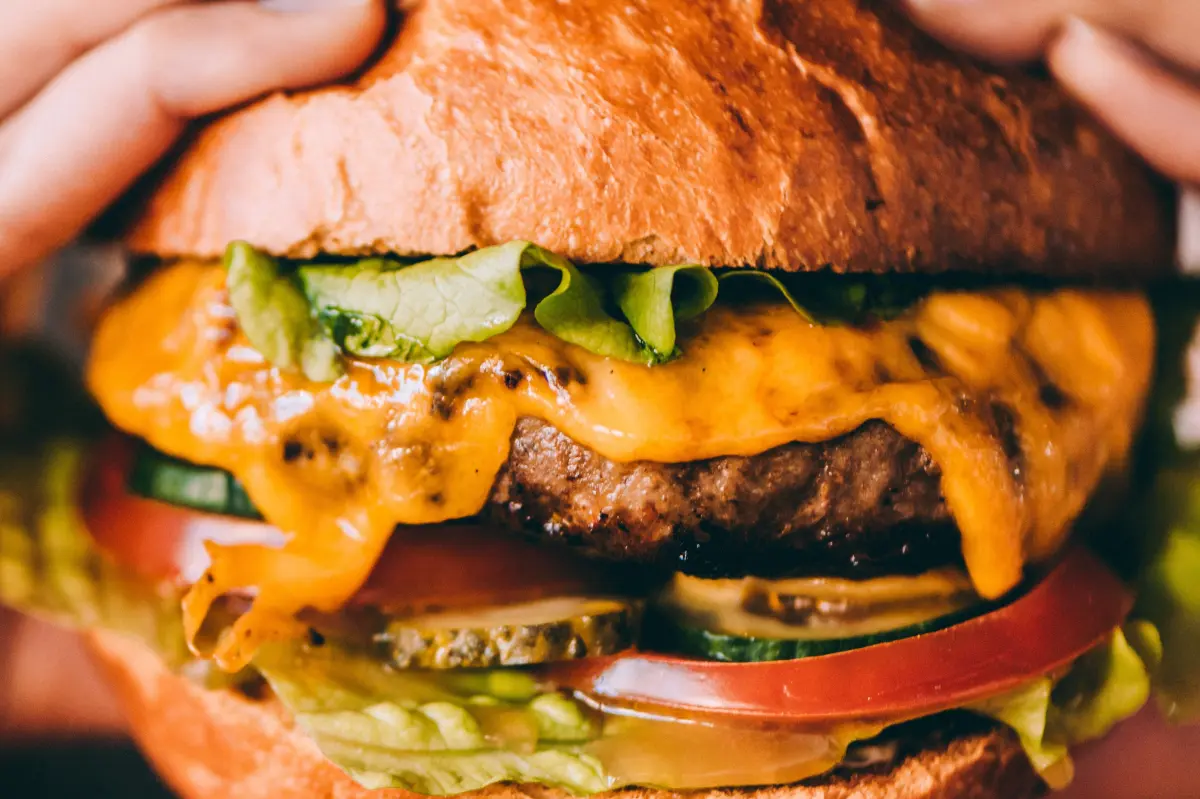
For generations of Americans, the simple combination of a juicy cheeseburger, a side of crispy golden fries, and a refreshing, ice-cold soda has represented far more than just a quick and satisfying meal. It is a cornerstone of our culinary heritage, a comforting ritual that spans across age groups, social classes, and backgrounds. Whether it is a hard-working parent picking up a quick dinner after a long shift, teenagers gathering at a local diner on a Friday night, or road-trippers pulling off the highway in search of familiar comfort, this classic trio has always been the ultimate symbol of affordable convenience. However, as the economic landscape of the country undergoes profound shifts, this reliable staple is turning into a barometer for a much larger and more complicated conversation about inflation, local economies, and the changing cost of living. Today, walking into a restaurant with a single fifteen-dollar bill in your pocket and expecting to walk out with a full stomach and change to spare is no longer a universal reality. Instead, our relationship with this beloved comfort food is being redefined by where we live, transforming a simple culinary craving into a vivid illustration of America’s diverse and increasingly divided economic reality. To capture this shifting dynamic, delivery giant DoorDash recently published its State of Local Commerce report, introducing a charming yet revealing metric known as the “Cheeseburger Index.” Developed to distill complex financial data into a relatable and digestible format, this index tracks the average combined cost of a cheeseburger, fries, and a soda across major metropolitan areas in the United States, shedding light on the stark geographical disparities that dictate how far a dollar can stretch. As Jessica Lachs, the chief analytics officer at DoorDash, notes, this index serves as an incredibly intuitive way to understand how macroeconomic forces affect our daily, lived experiences, proving that even the most basic comfort food is not immune to the financial winds sweeping the nation.
The findings of this index reveal a fascinating and highly unequal geographical landscape, where the price of a humble meal can double simply by crossing state lines. On one end of this spectrum is Austin, Texas, a vibrant city celebrated for its rich culinary culture, where the average cost of a cheeseburger, fries, and a soda sits at an incredibly modest $12.94, making it the most affordable city analyzed in the study. In sharp contrast, a diner ordering the exact same classic combination in Anchorage, Alaska, faces a staggering average bill of $28.28—more than twice the price of the Austin meal. This massive price gap means that the fifteen dollars that comfortably covers a satisfying dinner in the heart of Texas would barely pay for half a meal in the breathtaking but remote wilderness of Alaska. This geographic divide highlights the unique challenges faced by different regions; while the South and Southeast benefit from structurally lower operating costs, abundant local agriculture, and shorter supply chains that keep prices down, remote areas like Anchorage must contend with the immense logistical hurdles of transporting fresh ingredients across vast distances. For everyday families, this discrepancy is not just a collection of dry statistics on a page; it represents a tangible difference in their quality of life, determining whether a family night out is an effortless weekly treat or a carefully budgeted luxury that requires second thoughts and financial compromise.
To truly understand why a cheeseburger in one city costs twice as much as it does in another, one must look beyond the kitchen prep stations and peer into the complex web of local business operations. It is easy to point fingers at the rising cost of wholesale beef or the fluctuating price of potatoes, but restaurant owners know that the raw ingredients on a plate are only a small fraction of what dictates the final price on a menu. Instead, the numbers on the menu boards are heavily shaped by a myriad of localized overhead expenses, including commercial real estate rents, municipal utility rates, local taxes, and, most importantly, the cost of labor. In high-cost-of-living areas, business owners must pay significantly higher wages just to help their staff survive, while simultaneously navigating astronomical rent prices to keep their physical doors open. As Jessica Lachs points out, there is no single, unified American economy; rather, our nation is a vast tapestry of highly distinct, localized economic microclimates that operate under their own unique sets of rules. This means that a restaurant owner in Philadelphia, where the combo average sits at $15.41, faces a completely different financial reality than an entrepreneur in Detroit, where the same meal averages a more approachable $14.99, highlighting how deeply our dining experiences are tethered to the unique economic health and policy decisions of our immediate communities.
This localized pressure comes at a time when the general public is feeling a deep and persistent sense of exhaustion from the relentless rise in the cost of living over the past several years. While many grocery store shelves have finally begun to see some price stabilization, allowing families to breathe a small sigh of relief when scanning their weekly supermarket receipts, the cost of dining out has continued its steady upward march. The DoorDash study found that the average price of the classic cheeseburger, fries, and soda combo climbed by another 3.2% over the course of the past year alone. For the average consumer, this steady creep in pricing creates a frustrating disconnect, as the financial relief they feel at home does not translate to their favorite local diners, fast-food joints, or neighborhood bistros. This ongoing inflation in the hospitality sector forces a difficult psychological shift for many people, who must now weigh the convenience and joy of eating out against the undeniable economic prudence of cooking at home. When a simple drive-thru run for a family of four can easily climb towards the hundred-dollar mark in certain parts of the country, the act of dining out transitions from a casual, spontaneous decision into a deliberate financial commitment that must be weighed against utility bills, gas prices, and savings goals.
Yet, amid these rising financial pressures, there are still pockets of the country where the traditional, budget-friendly spirit of the American diner is being kept alive and well. The Cheeseburger Index highlights a resilient corridor of affordability concentrated heavily within the American Midwest and the great state of Texas, where a combination of favorable local agricultural networks, reasonable real estate costs, and competitive business environments help keep menu prices within reach of the working class. Texas, in particular, dominates the value rankings, claiming four spots on the list of most affordable cities, with Laredo offering the meal at an impressive average of $13.39, while Lincoln, Nebraska, proudly represents the heartland with an average cost of $13.86. These cities, along with Detroit and Philadelphia, remind us of the profound cultural value of affordable eateries, serving as vital community hubs where people from all walks of life can gather without the heavy burden of financial anxiety. In these communities, a cheap cheeseburger is not merely about consuming affordable calories; it represents a shared public space where neighbors can connect, local sports teams can celebrate victories, and the simple, uncomplicated joys of everyday life remain accessible to everyone, regardless of their socioeconomic standing.
Ultimately, the humble cheeseburger index tells a much larger story about the evolving definition of the American dream and the ways we navigate an increasingly complex economic world. It reminds us that our daily financial realities are profoundly shaped by the places we choose to call home, turning a simple meal into a reflection of the challenges and opportunities unique to our respective geographies. As we look to the future, the resilience of both restaurant owners and consumers will continue to be tested by shifting economic tides, but the enduring appeal of the classic burger, fries, and soda remains entirely unchanged. No matter how much the prices on the menu boards fluctuate, or how stark the regional divides become, our collective love for these simple culinary pleasures represents a shared cultural bond that transcends economics. In a world that often feels fast-paced and unpredictable, the comforting warmth of a freshly grilled burger and a handful of hot fries will always hold a special place in our hearts, serving as a reminder that some of the greatest joys in life are the simplest ones, and that we will always find a way to gather around the table together.