





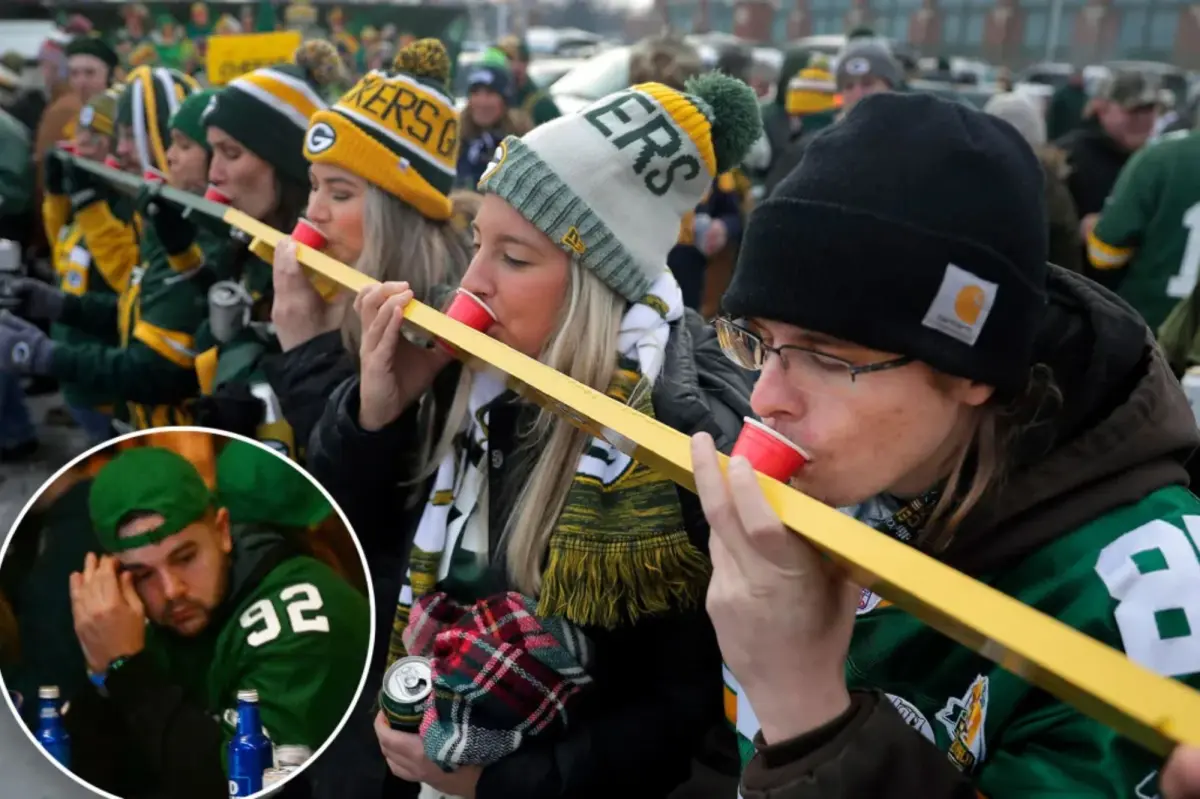
Picture the scene: a stadium parking lot at 9 a.m., the smell of sausage and charcoal drifting through the air, coolers overflowing with ice and beer cans, and a group of diehard fans wearing face paint and jerseys, ready to scream their lungs out for their team. For decades, that image was inseparable from cold beer, day drinking, and the kind of Sunday afternoon that blurs into a Monday morning haze. But something surprising is happening across the NFL landscape. The booze-soaked tailgate is being reimagined. A new survey of 1,011 NFL fans has found that the league’s famously hard-partying fanbase is slowly but surely dialing back the drinking. The sober-curious movement, once confined to yoga retreats and trendy wellness influencers, has now tackled football tailgates head-on. More than half of fans, 56 percent, still believe that beer and football go hand in hand, but that nostalgic connection is starting to fray around the edges. The “Sunday scaries” are real, and they’re hitting people hard: one in three fans admit they regret how much they drink during games, and 14 percent confess to calling in “sick” the next morning, nursing a headache and trying to reconstruct the second half. It’s a cultural shift that feels both personal and collective—people are choosing to remember the game, save their dignity, and greet Monday with a clear head, and they’re discovering that fandom doesn’t have to be a contact sport fueled by alcohol.
What’s driving this sober revolution? It’s not just about avoiding the spins or the shame of a drunken group chat after a heartbreaking loss. The motivations are grounded in everyday practicality and self-care. According to the survey, 41 percent of tailgaters now identify as sober or sober-curious, and their reasons are refreshingly down-to-earth. Sixty percent say physical fitness is their main motivator, which makes sense in a culture that’s increasingly obsessed with wellness, wearable fitness trackers, and feeling good in your own skin. Forty-six percent point to saving money, and anyone who has ever bought a $15 stadium beer knows exactly why. But there’s another, more surprising factor at play: nearly one in ten fans, 8 percent, credit popular GLP-1 weight-loss drugs like Ozempic and Wegovy with curbing their alcohol cravings. These medications, originally designed for diabetes, have changed the relationship many people have with food and drink, and apparently that includes game-day beer. The most striking finding, though, is that an overwhelming 84 percent of fans insist the game is just as thrilling—if not better—without a liquid buzz. That flips the old script entirely. It says you don’t need alcohol to care deeply, to celebrate wildly, or to feel the emotional rollercoaster of a last-second field goal. You just need to be present. For many fans, that clarity is a revelation. They remember the plays, the penalties, the funny commercials, and the conversations with friends. They wake up on Sunday morning—or Monday morning—without that familiar fog of regret and the panic of checking your phone to see what you texted.
The NFL itself is caught in a fascinating tension when it comes to drinking culture. On one hand, the league is tightening its grip on alcohol-related antics, sending a clear message that over-the-top drinking behavior on the field won’t be tolerated. In a highly publicized move, the NFL fined San Francisco 49ers star Kyle Juszczyk nearly $15,000—$14,926 to be exact—for “engaging in an offensive demonstration” after he mimicked chugging a celebratory beer on the field. It’s a small moment, but it reveals the league’s broader effort to clean up its image and separate the sport from the excess that used to define it. On the other hand, the fans themselves are leading the charge from the ground up, and younger generations are quarterbacking this dry movement. Gen Z is the most sober-forward cohort, with nearly 30 percent saying they ditch watch parties entirely to avoid booze-heavy pressure. They grew up in a world where wellness influencers, mocktail bars, and alcohol-free alternatives are everywhere, and they’ve internalized a healthier relationship with drinking. Interestingly, younger demographics also report feeling the highest social expectations to drink on game day, followed closely by millennials. That means the pressure is real, but so is the resistance. Instead of caving to the crowd, many younger fans are setting boundaries, skipping the boozier gatherings, and creating their own game-day rituals that don’t revolve around getting hammered. They’re proving that you can be a superfan without sacrificing your physical and mental health, and they’re making it okay to say, “No thanks, I’ll have a soda water with lime.”
Of course, old habits are stubborn things, and not every fanbase has embraced the sober-curious shift with open arms. The survey paints a hilarious and slightly predictable portrait of which teams are still partying hardest. Cleveland Browns fans rank as the most likely to get hammered on game day, which might be a survival mechanism for anyone who has endured that franchise’s history of heartbreak. Atlanta Falcons supporters are right behind them, and you can imagine why—being a Falcons fan has required a certain tolerance for pain, and alcohol has historically helped numb it. Meanwhile, fans of the Chicago Bears and the New York Giants run up the highest bar tabs, shelling out an average of $20 per game. That might not sound like a fortune, but over a seventeen-game season, that’s over $340 spent just on drinks at the stadium, not counting the extra cash thrown down at bars and tailgates. It’s a lot of money for something that leaves you groggy and remorseful. But for those diehard drinkers, the tradition matters, and breaking it feels like betraying the ritual. Still, the broader trend is undeniable. The sober-curious movement isn’t just a coastal elite fad; it’s spreading into the heartland, into stadiums, and into the parking lots where fandom is forged. More and more fans are realizing that being a true fan doesn’t mean out-drinking the person next to you. It means out-cheering them.
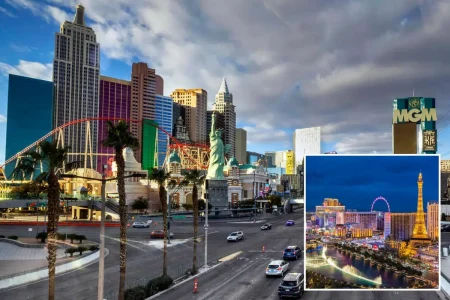
If you’re a sober fan trying to navigate the stadium experience, the options have historically been pretty bleak—stale lemonade, overpriced soda, and maybe a cup of coffee if you’re desperate. But the landscape is changing, albeit unevenly. The report ranked all 32 NFL venues based on their non-alcoholic beer options and the density of surrounding sports bars, and the results show that some cities are far ahead of others. Miami and Atlanta topped the list for sober-friendly fanbases, with Hard Rock Stadium in Miami serving up six mock brews on tap. Seattle’s Lumen Field took third place, leading the entire league with eight non-alcoholic choices. That’s a remarkable turnaround for a product category that barely existed a decade ago. But on the flip side, Sin City is the worst place to be for a sober Sunday. Las Vegas, a city built on cocktails and excess, is a nightmare for fans trying to avoid alcohol around Allegiant Stadium. There are 254 sports bars packed into the surrounding area, and the stadium stocks zero documented booze-free beers. Nationwide, only six venues carry three or more non-alcoholic brews, which means most fans are still forced to either bring their own or brave the condescending looks from concession stand workers. There is a lonely pioneer emerging though: MetLife Stadium, home of the Giants and Jets, features Athletic Brewing as an official partner, making it a haven for sober fans who want to enjoy a legitimately good non-alcoholic beer while watching their team. It’s a start, but there’s a long way to go before every NFL stadium feels welcoming to fans who aren’t drinking.
At the end of the day, the Minnesota Vikings might be the most ahead of the curve. According to the survey, the Vikings take the crown for the highest concentration of sober or sober-curious fans in the entire league. There’s something fitting about that, given that the team’s home state is famous for its “Minnesota nice” culture, progressive health initiatives, and a strong emphasis on community and well-being. But this isn’t just a regional quirk; it represents a broader cultural wave that’s washing over football fandom. The sober-curious movement is proving that you don’t need a cold six-pack to cheer on your team with passion and heart. In fact, many fans are discovering that sobriety actually deepens their connection to the game. You catch the little moments—the rookie’s first touchdown, the defensive lineman’s celebration dance, the coach’s frantic sideline gestures. You remember the game the next day, not just the blur of beer runs and bathroom breaks. And you wake up on Sunday morning ready to do it all over again, without the dread and the Advil. The league is slowly catching on, with healthier options appearing at more venues and alcohol marketing becoming a bit more measured. The old equation of beer plus football equals the perfect Sunday is being rewritten. It’s not about abandoning tradition; it’s about expanding it. So whether you’re a diehard fan raising a glass of amber ale or a sparkling water, the common denominator is love for the game. And as more fans embrace the sober-curious lifestyle, football might finally become a sport that everyone can enjoy fully, clearly, and without regret. Cheers to that—whatever is in your cup.