





Paragraph 1: Introducing the Viral Mom Moment
In the bustling world of social media, where every parent’s choice sparks endless debates, one Arizona mom’s unapologetic stance on sharing has captured hearts and ignited fiery opinions. Lonnie Weaver, a 32-year-old millennial with a knack for relatable content, posted a video that quickly amassed 1.2 million views. Sitting in her parked car, she looked directly into the camera with fierce conviction, declaring, “I said it and I’ll say it again—I don’t make my kids share!” It was like she was having a candid chat with fellow parents, admitting her kids don’t have to hand over toys, snacks, or anything they brought with them. This wasn’t just advice; it was a personal manifesto for her family, emphasizing that sharing should be a choice, not an obligation. As I watched it, I couldn’t help but smile—it’s refreshing to hear a mom prioritizing her kids’ autonomy amid the chaos of park playdates and communal spaces.
Paragraph 2: The Heart of Her Argument
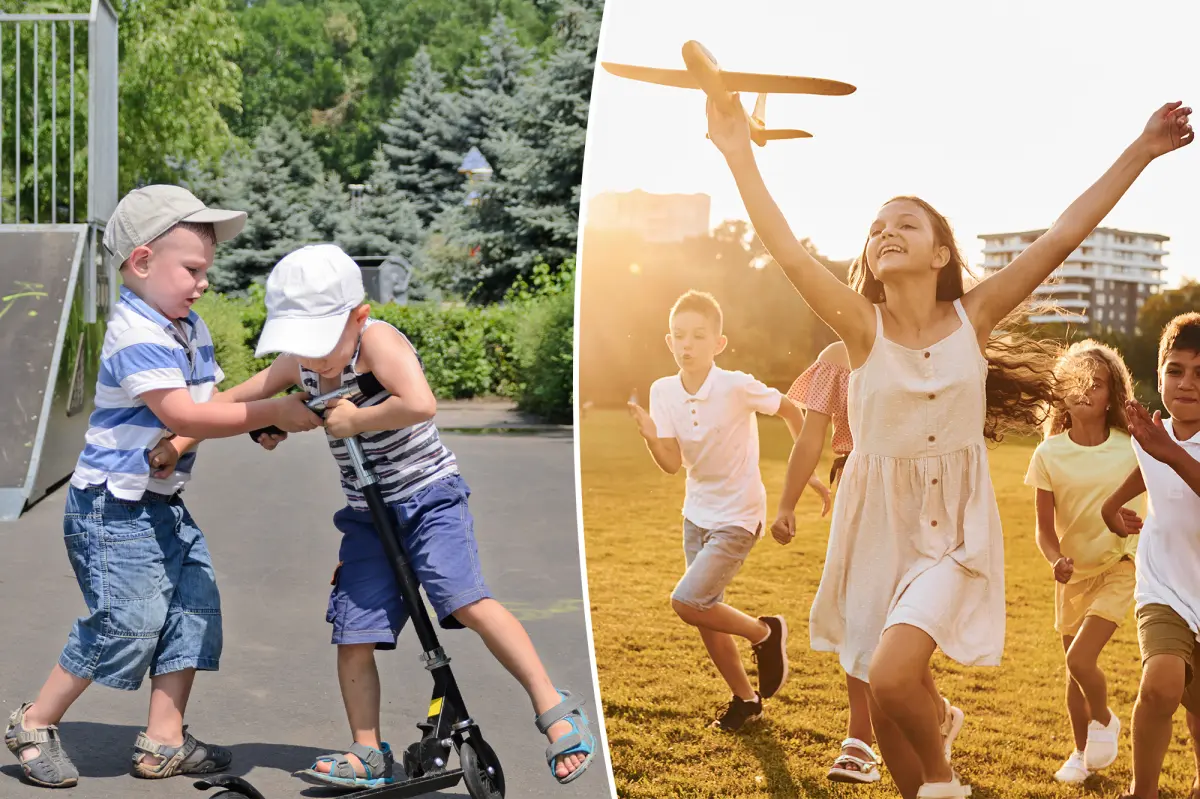
Diving deeper, Weaver explained her parenting philosophy in a way that felt so honest, like a close friend venting after a long day. At places like parks or play areas, if her kids have a scooter or toys, they aren’t required to share them with other children. “Why?” she asks, pointing out the basics: Number one, other moms should bring their own stuff. Number two, it’s just fair that what belongs to her kids stays theirs. And number three, her children don’t owe anyone anything just because someone asks. Yet, she adds a crucial caveat—if her kids want to share willingly, that’s fine, but she’s never going to force it. End of story. It’s a stance that humanizes the pressure parents face, reminding us that imposing sharing might teach entitlement more than kindness. Weaver’s approach resonates with those tired of societal expectations, making her video a breather from the constant “be nice” lectures.
Paragraph 3: The Online Backlash and Support
Not surprisingly, the internet exploded with reactions, turning Weaver’s simple take into a battlefield of opinions. Comments poured in, with many moms, teachers, and ordinary folks weighing in furiously. “As a teacher, this hurts my heart—sharing is the foundation of learning and being a decent human!” one lamented, painting a picture of classrooms where cooperation builds character. Another echoed, “Kindness comes first in my household; hoping my kids would even gift things voluntarily—this feels weird.” It’s clear the disagreement stems from a genuine fear: are we raising selfish kids if we skip this lesson? Yet, amid the chorus of criticism, some supported Weaver, praising her for teaching boundaries. It humanizes the divide in parenting styles, showing how deeply we care about molding compassionate little ones while grappling with real-world messes like unequal playdates.
Paragraph 4: Voices from the Crowd
The comment section was a treasure trove of personal stories, each one adding layers to the debate. One stunned parent shared, “I’m so sad as a teacher—this is literally the foundation of education,” while another insisted, “My kiddo will definitely share, especially if another child doesn’t have a toy.” It felt like eavesdropping on a heated family reunion, where everyone has a horror story from their own backyard. People chimed in with their own rules, like not bringing toys if sharing isn’t on the table, or hoping their kids would go beyond sharing to outright gifting. These responses weren’t just hashtags or quips; they revealed vulnerable spots—fears of raising entitled children in a world that demands empathy. Weaver, when reached by outlets like The Post, stood by her stance, embracing the viral attention as a chance to spark dialogue.
Paragraph 5: Broader Implications for Parenting
This viral moment underscores a larger truth about modern parenting: we’re all winging it, influenced by our own upbringings and societal pressures. Weaver’s approach challenges the age-old mantra of forced sharing, suggesting it might teach resentment rather than generosity. Imagine the park scene—a mom chasing kids who “borrowed” without permission, or a kid learning that asking means getting. Humanizing this, I recall my own childhood, where forced sharing led to squabbles and secret stashes. Critics argue it’s crucial for social skills, but Weaver flips the script, empowering parents to model ownership. It invites empathy for moms juggling multiple kids, packed bags, and temperaments, reminding us that different families navigate differently. At its core, it’s a nod to individuality in a parent-shaming culture.
Paragraph 6: Reflecting on Kindness and Choice
Ultimately, Weaver’s video isn’t about selfishness; it’s a plea for respect and preparation. “Your mom should’ve brought your own toys,” she concludes, hitting home the reality that not all parents plan ahead. In a world where kindness is paramount, her hot take forces us to rethink how we teach it—through freedom or force? The debate humanizes parenting as an imperfect art, where viral moments like this evolve into learning opportunities. Whether you agree or scoff, it sparks conversations about raising unselfish humans without eroding boundaries. As for me, it’s a reminder to parent with intention, embracing the messiness of it all while hoping our kids grow up compassionate by choice. Weaver’s boldness might just inspire a wave of authentic parenting tales, proving one mom’s words can change how we all think about sharing.