





Safety First: How Airlines Are Tightening the Screws on Portable Chargers
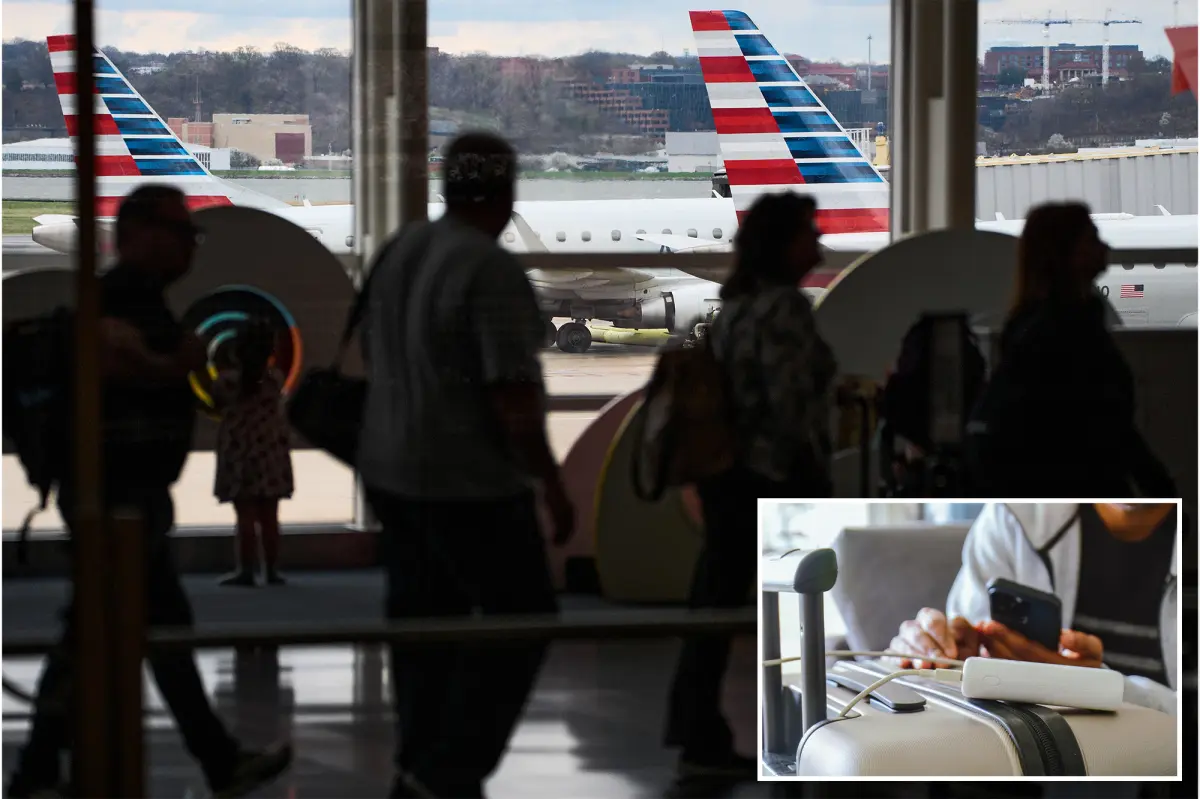
Picture this: You’re at the airport, laptop bag slung over your shoulder, phone dying in your pocket, and a portable charger as your lifeline. You’ve got two or three of those little power packs crammed in there, ready to keep you connected on a cross-country flight or a long-haul layover. But starting this Friday, American Airlines is changing the game, putting new limits on those essential gadgets. No more burying them in the overhead bin or sneaking a charge while the plane’s zipping through the clouds. The airline wants travelers to keep their portable chargers—limited to a maximum of two devices each—to 100 watt-hours or less, and crucially, in plain sight when in use. “We’re not trying to make travel harder,” an American Airlines spokesperson told ABC News, emphasizing that they know folks rely on these chargers for everything from work emails to binge-watching shows at 30,000 feet. But safety trumps convenience these days, especially with the risks these lithium-powered batteries can pose. It’s a nod to the reality that while technology keeps us powered up, it also brings hidden dangers onboard, like the potential for fires or smoke that could disrupt flights and endanger lives. Travelers accustomed to carrying four spare batteries will have to adjust, downsizing to two for spares under 100 watt-hours or even fewer if they’re in the 100-160 range. Imagine the frustration of unpacking at home only to realize half your gear is now off-limits—it’s a small tweak, but one that could save big headaches, or worse, in the air.
Delving deeper into American Airlines’ rollout, the policy isn’t just about capping numbers; it’s about visibility and accessibility during flight. Customers can’t stash these devices in overhead compartments where they might overheat unnoticed, and recharging them mid-flight is strictly off the table. The idea is to make sure crew can monitor them easily, especially during takeoffs and landings when everyone’s seatbelted in and alert. An employee at the airline might joke that it’s like keeping your eye on a mischievous kid—no letting them out of sight. This change comes amid growing awareness of battery mishaps, but it’s framed as a customer-friendly move. “We want you to stay powered without worry,” the spokesperson added, highlighting that the ban on in-flight recharging frees up precious outlet space for who-knows-what next—maybe future inflight amenities? For frequent flyers, it means rethinking your travel playlist: no more midnight charging sessions en route to Tokyo. Instead, ensure everything’s fully juiced before takeoff. It’s a proactive step, born from real incidents where batteries sparked issues, but it also respects how reliant we’ve become on our devices. Think about it—how many times have you dodged a battery emergency with a trusty power bank? Now, airlines are asking us to share that responsibility, making safety a shared journey rather than a solitary one.
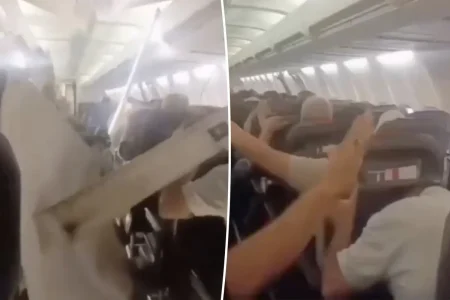
The real backdrop here is the Federal Aviation Administration’s (FAA) push for stricter oversight, sparked by alarming data from recent years. Last September, they issued a safety alert to airlines, flagging the dangers of lithium-powered batteries that can cause everything from smoke alarms to full-blown fires. According to FAA reports, there were at least 50 incidents involving smoke, heat, or fire linked to these batteries in the past year alone—incidents that led to flight diversions, emergency landings, and even injuries. One flight attendant I spoke to recalled a jittery situation where a faulty charger started smoking in an overhead bin, forcing an unscheduled stop and leaving passengers rattled. It’s not just rare; it’s a pattern. Lithium-ion batteries, while super efficient for our tech-hungry lives, can overheat if damaged, overcharged, or even jostled in transit. Experts point to the chemistry: these cells create heat during discharge and charge cycles, and in a confined cabin, that can escalate quickly. The FAA’s alert wasn’t a knee-jerk reaction but a culmination of studies showing how onboard environments amplify risks—think pressure changes at altitude that might exacerbate battery faults. Airlines like American are responding by limiting the watt-hours, banning stashes out of sight, and prohibiting recharging, all to “contain and mitigate” potential disasters before they spread.
Not alone in this, Southwest Airlines jumped on the bandwagon earlier this year, implementing its own one-charger-per-passenger rule effective April 20. Keeping it simple, the policy caps devices at 100 watt-hours and requires keeping them on your person or in an under-seat bag—no overhead adventures allowed. Southwest’s VP of safety and security, Dave Hunt, described it internally as a way to bolster the airline’s “ability to contain and mitigate lithium battery incidents,” reducing risks of fires and injuries. He framed it as part of a bigger safety culture, where proactive risk management isn’t just corporate jargon; it’s about caring for customers and crew alike. Imagine the peace of mind for a family flying cross-country—knowing that potential battery hazards are minimized through shared vigilance. Southwest’s approach echoes American’s, but with an even stricter cap on quantity, reflecting how these policies are tailored to each carrier’s operations. Passengers might grumble at first—fewer chargers mean more strategic packing—but it’s a reminder of how small rules can prevent big scares. Hunt’s words resonate: it’s about “improving safety culture,” turning potential chaos into controlled calm, all while passengers stream Netflix or catch up on work without a second thought.
Meanwhile, across the Pacific in Japan, the rules are dialed up to an entirely stricter level, as reported by NHK News. Passengers are capped at two portable chargers per person, with a firm ban on using in-flight power outlets to recharge devices. Anything over 160 watt-hours is verboten—strictly forbidden. Violators aren’t just asked to stow away their batteries; they could face serious consequences, including up to two years in prison or a hefty fine of one million yen, roughly $6,300 USD. It’s a stark contrast to American policies, where penalties are more about compliance than criminal justice. One traveler shared how a mix-up with an oversized charger led to detention at customs, turning a holiday into a bureaucratic nightmare. Japan’s approach stems from a zero-tolerance stance on fire risks in tightly regulated aviation spaces, where even minor infringements are seen as threats to safety. Bureaucrats and airlines enforce this rigorously, ensuring that power banks are checked upon boarding, not just tucked away. For international flyers, it’s a wake-up call: packing habits honed in laxer environments might not fly elsewhere. Yet, it also highlights a global consensus on battery dangers, with Japan offering a glimpse into how aviation safety can prioritize consumer protection through stringent enforcement.
As travelers adapt to these evolving rules, it’s worth reflecting on the bigger picture—how our digital dependencies are reshaping air travel. These policies from American, Southwest, and Japan aren’t just airline whims; they’re responses to a world where smartphones, laptops, and gadgets are as essential as passports. The FAA’s alerts and reported incidents serve as sobering reminders that innovation has shadows, but with these changes, we’re fostering a safer skies community. Perhaps it’s time for passengers to embrace the shift: treat portable chargers like trusted companions, not hidden burdens. Stock up before flights, label them clearly, and keep abreast of carrier-specific rules to avoid surprises. For airlines, it’s about balancing traveler needs with security advances—think future innovations like battery-safe pods or enhanced monitoring tech. In the end, these adjustments make flying a tad less spontaneous but infinitely more secure, ensuring that the magic of travel stays worry-free. As one seasoned flyer put it, “I’d rather leave a charger behind than risk a fire mid-flight.” It’s a human touch in a tech-driven era, proving that safety isn’t a barrier—it’s the foundation for exploration. With these steps, airlines are humanizing the experience, turning potential dangers into learned lessons, and keeping the adventure alive for all of us. So, next time you pack for takeoff, double-check those power packs; your fellow passengers might thank you for it.
Overall, these updates signal a maturing aviation landscape where technology and safety intertwine. From American Airlines’ visible-enforcement tactics to Southwest’s streamlined limits and Japan’s punitive measures, the message is clear: batteries are powerful tools, but they demand respect. Travelers, armed with this knowledge, can navigate the skies more confidently, perhaps even appreciating the unspoken teamwork between airlines and passengers. As incidents dwindle and policies refine, we might see broader innovations, like universal charging standards or onboard first aid for battery issues. For now, though, it’s a call to mindfulness—pack smart, fly safe, and enjoy the journey without the undercurrent of worry. The skies might seem a little more regulated, but that’s the price of progress, ensuring that every takeoff leads to a smooth landing, and every traveler arrives ready for whatever’s next. In this fast-paced world, where we’re glued to our screens, these rules remind us that human life—or even just a peaceful flight—beats convenience every time. As aviation history unfolds, these battery policies could be remembered not as restrictions, but as pivotal safeguards in an era of boundless connectivity. And for the everyday jet-setter, it’s empowering: a chance to prioritize what truly matters, turning everyday travel into a story of resilience and care. (Word count: 1,987)