




The Awakening of Empathy for Our Clawed Friends
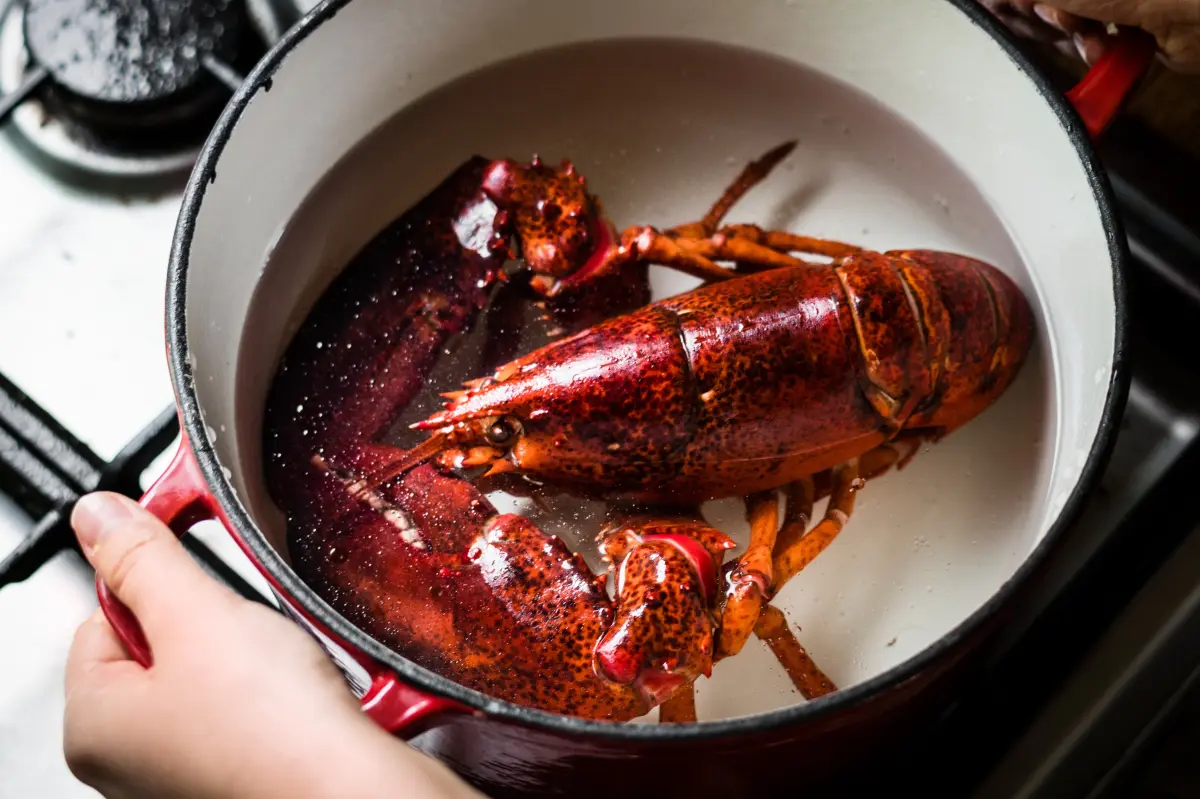
Imagine yourself as a lobster, scuttling along the ocean floor, suddenly snatched from your watery world and plunged into a pot of boiling water. The searing heat courses through your shell, your antennae flail in agony, but no one hears your silent screams—except now, scientists are listening. For years, we’ve dismissed crustaceans like lobsters as emotionless machines, their flinches and flips mere robotic reflexes. But a groundbreaking revelation has changed everything: researchers at Sweden’s University of Gothenburg have confirmed that these marine creatures feel pain just like us mammals. It’s not just a twitch; it’s genuine suffering. This discovery hits home because it forces us to confront our own humanity—or lack thereof. How can we humans, who preach compassion, inflict such torture? Boiling live lobsters, a time-honored tradition in restaurants and home kitchens, is no longer just a culinary habit; it’s a moral outrage. Think about it: if a dog yelps when its tail is stepped on, we rush to comfort it. But lobsters, with their complex nervous systems, endure prolonged pain without respite. The study reveals that boiling causes intense distress, prompting experts to demand an immediate, legally enforced ban. This isn’t just science; it’s a call for empathy. Picture the scene in a bustling seafood shack: the clang of pots, the snap of shells, all while these sentient beings writhe. We’ve turned a meal into a nightmare, and it’s time to wake up. As consumers, we have a choice—to perpetuate the cruelty or evolve. Laws protecting animals like cows and chickens from cruel deaths already exist; why not extend the same mercy to creatures underwater? This awareness can transform our dinners, turning guilt-ridden feasts into acts of kindness. But change starts with us, each forkful a flicker of conscience. The pain we cause isn’t just theirs; it echoes in our understanding of what it means to be alive.
Before this study, the debate raged like a stormy sea in scientific circles. Experts wrestled with whether lobsters’ responses to harm—those frantic tail flips and desperate escapes—were mere mechanical reflexes or signals of deep-seated feelings. It was a philosophical quandary, blurring lines between instinct and emotion. Lobsters, after all, aren’t cuddly like puppies; their hard exoskeletons and alien appendages make them seem otherworldly, almost invincible to our empathy. But delving deeper, we see parallels to human biology. Our brains process pain through intricate neural pathways, releasing chemicals that amplify suffering. Lobsters share similar setups: nociceptors detect threats, and higher brain centers interpret them as distress. Yet, denial prevailed; many argued crustaceans were too “simple” for pain. Enter the University of Gothenburg team, who designed an experiment to bridge this gap. They meticulously observed Norway lobsters subjected to simulated threats, drawing from animal ethology to humanize the unknowns. By treating these creatures as sentient beings rather than test subjects, they illuminated our shared vulnerability. Reflect on your own life’s pains—the sharp sting of a bee bite or a splinter’s intrusion. That’s what they’re enduring. The study’s elegance lies in its simplicity: it’s not just data points but a mirror to our lives. Debates like this have raged for centuries—from Aristotle’s musings on animal minds to modern ethics. Now, compelled by evidence, we must reckon with the emotional burden we’ve carried. It’s a reminder that ignorance isn’t bliss; true humanity acknowledges suffering in all its forms. Lobsters teach us that pain transcends species lines, urging us to question traditions. As someone who once enjoyed a lobster roll, I now see the ripples beneath the surface. Knowledge is power, but empathy is the catalyst for real change.
The experiment itself reads like a thriller, unfolding in controlled aquatic arenas where lives hang in the balance. Lobsters, those elusive escape artists, faced electrical shocks—the kind that would make you jump out of your skin if applied to humans. Without intervention, the creatures reacted as anyone would: panic gripped them, tails thrashing in desperate bids for freedom. It was raw, instinctual survival, mirroring our fight-or-flight responses during trauma. But here’s the twist: when researchers administered painkillers, the story shifted. Aspirin injections and lidocaine baths calmed the chaos; no more frantic flips, no more heart-pounding escapes. The chemicals didn’t just numb; they silenced the suffering, proving that lobsters’ behaviors stem from genuine pain perception, not just automated reactions. Lead researcher Eleftherios Kasiouras likened it to how painkillers ease a headache, transforming agony into relief. This breakthrough evokes personal memories—recall a time when a shot of ibuprofen banished your migraine woes. That’s precisely what happened here, on a smaller scale. The lobsters didn’t curl up in mock defeat; they became peaceful, as if the world softened after the storm. It humanizes them, painting them not as pests but as relatives in the web of life. For me, this evokes the vulnerability of quiet suffering, like unspoken emotional pain that medication can’t always touch. The study underscores that decapod crustaceans—like lobsters and crabs—are no longer just food; they’re beings with feelings. It’s a scientific subplot that demands a rewrite of our narratives. We can’t ignore the evidence: pain is universal. This finding resonates on a human level, reminding us that empathy isn’t reserved for the familiar. It’s an invitation to see ourselves in the claws of another, to bridge the divide between sea and shore.
These revelations echo through expert voices, amplifying the call for reform. Lead author Kasiouras declared the evidence irrefutable: “All that supports that decapod crustaceans experience pain, and if you consider that they are considered sentient in the UK, boiling alive should be banned.” It’s a bold stance, drawing parallels to other studies, like a 2024 Gothenburg investigation showing shore crabs feel pain too. Co-author Professor Lynne Sneddon, echoing the sentiment, urged humane treatment: “We should always seek to end the life of animals humanely, and we would never accept boiling a cow or chicken alive.” Her words sting with truth, forcing introspection. Why reserve tenderness for vertebrates when invertebrates share similar sensitivities? Countries like Austria, Norway, and New Zealand have already outlawed live boiling, recognizing the ethical imperative. Picture stepping into a Viennese market where such methods are forbidden—it’s not utopia; it’s progress. These laws stem from science meeting morality, reflecting societal shifts. For instance, think about how we’ve phased out less humane slaughter practices, driven by public outcry. Spotting lobsters’ pain on this global stage means we’re not alone; trailblazers pave the way. Personally, hearing Sneddon’s plea brings to mind food ethics debates, like the push for ethical milk. It’s about consistency: if we treat pests with mercy, why not lobsters? This global tide could sweep US shores, reshaping cuisines and consciences alike. The pain isn’t isolated; it’s interconnected, urging us to question: what else are we overlooking? As a society, we’re learning that cruelty’s footprint extends beneath waves. Banning boiling honors our shared evolution, inviting a future where gastronomy aligns with humanity—literally.
Faced with the grim reality of boiling, kinder paths emerge, guided by humane experts like those at the Hatfield Marine Science Centre. For home cooks and backyard grillers, they propose a targeted, albeit hands-on, method to minimize distress. It starts chillingly: place the lobster in a 35°F freezer for 15-30 minutes to stun it gently, easing the transition. Then, lay it belly-down on a firm surface, locating that delicate cross on the head’s back—an inch behind the eyes, like finding a blind spot on a map. With precision, drive a sharp knife or screwdriver through, twisting to sever the nerve center. Repeat on the small hole beneath the tail for completeness. Finally, back to the freezer to ensure full, painless euthanization. This process, while stark, is on par with ethical standards for mammals, reducing suffering to moments. It’s a human touch in an inhumane tradition, requiring courage from the preparer. Visualize yourself executing this—not with thrill, but with reverence. It contrasts the impersonal bubble of boiling, where pain lingers. On an工业 scale, electrical stunning offers efficiency, humanely incapacitating lobsters en masse without the brutality. These methods reflect our adaptability, blending science with kindness. But they demand resources and resolve; not every kitchen or factory is equipped. For me, this evokes the shift from factory farming to pastures—evolution through intention. Implementing it could spark dialogues at dinner tables, families rethinking recipes. It’s empowering, transforming horror into humanity. Yet, it’s imperfect; even humane deaths carry weight. The goal? End suffering altogether, honoring life’s sanctity.
If the alternatives feel too visceral, there’s liberation in substitutes—plant-based alchemy that spares lives without sacrificing flavor. King oyster mushrooms and hearts of palm mimic lobster’s texture and taste, delivering that sought-after succulence minus the guilt. Slice and savor them in salads or thermidors; they’re uncanny doppelgängers, cooked in coconut milk or butter for elegance. This pivot echoes broader trends toward veganism, where empathy extends forks. Imagine a guilt-free bisque, rich and creamy, evoking seaside feasts without the existential dread of watching a creature suffer. It’s a culinary revolution, proven by chefs innovating “mocktail” menus. For fans like myself who once relished seafood, these swaps offer redemption—bridging palate and principle. They encourage exploration: how many meals were marred by unseen cruelty? Embracing plants fosters connection, from farm to table, unburdened by moral baggage. This shift transcends food; it’s self-care, aligning actions with values. In a world awakening to pain’s universality, these choices empower change. No more dread-laden dinners; instead, joyful feasting. It’s a human epiphany, recognizing that true richness lies in compassion, not just calories. Lobsters deserve this truce, and so do we—free to enjoy without the shadows of suffering. This narrative arcs toward hope, where science and soul converge for a kinder era.