





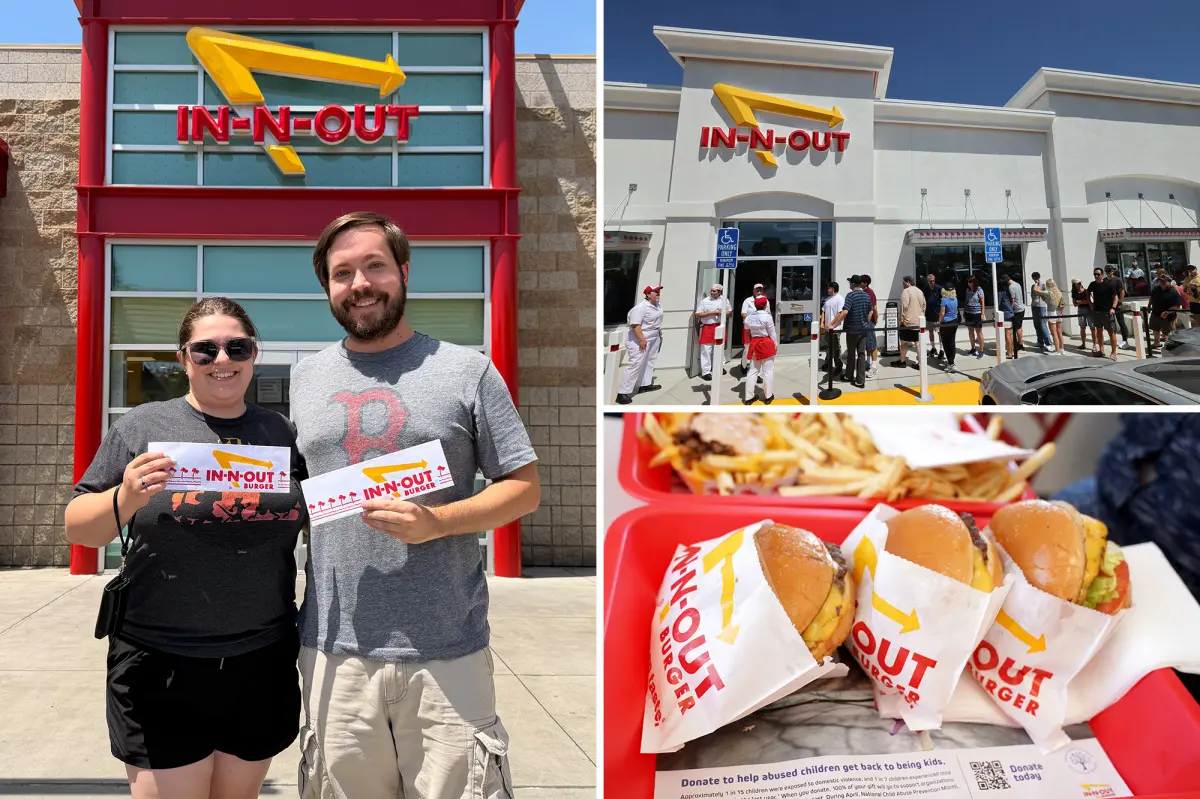
In the sprawling, ever-churning landscape of American fast food, there are chains that sell meals, and then there are chains that sell something far more intangible: an identity, a lifestyle, a piece of cultural geography. In-N-Out Burger, the California-born institution with its iconic red-and-white palette and palm tree motifs, has achieved the latter with an almost effortlessness that baffles marketing experts. It’s not merely a place to grab a Double-Double and animal-style fries; it’s a pilgrimage site, a status symbol, and a shared cultural touchstone. The obsession isn’t confined to the average customer waiting in a long, snaking drive-thru line. For decades, the chain has enjoyed a peculiar and powerful presence in the celebrity firmament, not through calculated endorsements or Super Bowl ads, but through a series of organic, candid moments that feel less like advertising and more like genuine fandom. This isn’t a brand paying for a spotlight; it’s a brand that has become the spotlight itself.
The evidence of this star-studded devotion is as varied as it is ubiquitous. Imagine Britney Spears, at the height of her pop dominance, casually photographed in a convertible at the drive-thru, clutching a bag of burgers. Picture Arnold Schwarzenegger, the epitome of Hollywood muscle, seated with a simple meal. The image of Dame Helen Mirren, an Oscar-winning actress of immense gravitas, enjoying a burger at the glitzy Vanity Fair Oscars party with her golden statuette resting nearby, is a masterclass in relatable luxury. Even the world of sports and politics has been infiltrated. Tiger Woods has been seen ordering from an In-N-Out truck at a golf tournament, while Quentin Tarantino has been photographed with the signature wrapper, and Bernie Sanders even made a campaign stop at the chain during his 2016 presidential run. This is an unusual guest list for any fast-food joint—a cross-section of movie stars, athletes, politicians, pop sensations, and everyday Californians, all united by the same red-and-white wrapper. These aren’t paid promotional spots; they are authentic glimpses into the personal preferences of the rich and famous, which, paradoxically, makes them all the more powerful.
This organic publicity is a goldmine that no amount of marketing spend can reliably buy. Jonathan Maze, editor-in-chief of the industry publication Restaurant Business, points directly to this advantage. “You’ve got all these people out there basically advertising the company for free,” Maze explains, highlighting that In-N-Out is “a very talked about restaurant chain far beyond its size.” The company’s footprint is relatively small compared to giants like McDonald’s, yet its cultural footprint is immense. It doesn’t need a celebrity to hold up a burger and smile for a paycheck; celebrities are already doing it on their own, and the public notices the difference. This authentic connection creates a powerful narrative: In-N-Out isn’t just food for the masses; it’s the food of choice for the successful, the talented, and the iconic. It’s the great equalizer, a shared pleasure that transcends zip codes and tax brackets. This free, earned media is a strategic advantage that has cemented the brand’s mystique for generations.
However, the devotion to In-N-Out extends far beyond the food itself, blossoming into a surprisingly deep and detailed merchandise culture. The brand has successfully transformed its logo and imagery into a coveted collection of goods, from the standard T-shirts and hats to more unexpected items like socks, keychains, license plate frames, playing cards, beach towels, and even pet gear. For some, this merchandise is a badge of travel. Tyler Lupinski, hailing from Cincinnati, explains that wearing an In-N-Out shirt in Ohio is almost like showing a passport stamp. It’s a declaration that you’ve made the journey to the West Coast, a tangible piece of proof of a California adventure. For others, the merch elevates to the level of fine art or memorabilia. Kevin Corado, a Los Angeles native, describes having an In-N-Out shirt framed and hanging on his wall. For him, it’s not just a piece of clothing; it represents the very essence of his home state, a symbol of a distinct and beloved culture. This act of framing a t-shirt like a Warhol painting underscores how the brand has morphed from a simple restaurant into a cultural artifact.
The pinnacle of this crossover appeal is captured in one of the brand’s most memorable items: the In-N-Out Drink Cup Shoe. This slip-on sneaker, covered entirely in the chain’s vibrant, red palm tree cup design, is a literal embodiment of the phrase “wearing your heart on your sleeve.” Some fans affectionately call them the “In-N-Out Vans” because of their style, but officially, they were the company’s own creation—shoes shaped like their iconic drink cups. This is the moment a brand truly crosses over into the zeitgeist. It’s no longer just about eating the burger; it’s about wearing the cup. It represents a complete fusion of lifestyle and brand, where the consumer is not just a diner but a walking billboard, a devoted fan who wants to be enveloped in the entire aesthetic of the company. That single product, a shoe designed to look like a disposable cup, speaks volumes about the unique and playful place In-N-Out occupies in popular culture.
Diving deeper, this phenomenon speaks to a profound sense of nostalgia and regional pride. In-N-Out is more than just a burger; it’s a taste of a specific place and time. For Californians, it’s the smell of the ocean and the feel of the sun, the memory of a post-beach meal or a late-night drive. Growing up, the chain was a constant, a reliable landmark in a state known for its constant change. For those who have left, the mere sight of the logo can trigger a pang of homesickness, a longing for the familiar. This emotional connection is what fuels the intense loyalty and the desire for merchandise. The simple act of ordering a “secret menu” item, like Animal Style fries or a protein-style burger, is a ritual that makes the customer feel like an insider, part of an exclusive club. This vocabulary, this secret knowledge, is passed down through generations and shared among friends, creating a community of devotees who don’t just like the food; they are fluent in its culture.
Ultimately, the In-N-Out story is a testament to the power of staying true to one’s roots while building a world around a simple, quality product. It hasn’t tried to be everything to everyone; it has focused on a streamlined menu and a consistent experience. This consistency and quality have earned a level of trust that is rare in the corporate world, making the brand feel almost artisanal. When you see a celebrity enjoying an In-N-Out burger, it doesn’t feel like a sellout; it feels like an endorsement of a shared truth—that this burger, perfectly cooked, with its hand-cut fries and creamy shake, is one of life’s simple, undeniable pleasures. The merchandise, from a simple tee to the cheeky drink cup shoe, is an extension of this affection, a way to carry a piece of that sunshine, that nostalgia, and that unpretentious excellence into the wider world. In the end, In-N-Out has achieved something far more valuable than a celebrity endorsement; it has woven itself into the fabric of American culture, becoming a symbol of California that people are proud to wear—on their bodies and in their hearts.