




Something unusual is happening at Gravitics, a space infrastructure startup tucked away in Marysville, Washington, not far from Seattle. The company hasn’t launched anything into orbit yet, but it has been signing contracts and raising money as if it were already a major player in the new space economy. Now it’s taking the next big step: going public through a reverse takeover that could lead to a $125 million public offering. The deal, which has been in the works for months, would see Gravitics merge with a Florida-based shell company called Non-Invasive Monitoring Systems and eventually list on the Nasdaq stock exchange. The arrangement was hinted at in public filings last month, but a new notice filed with the Securities and Exchange Commission this week added a fresh detail: Gravitics quietly completed a $17 million funding round earlier this year that hadn’t been previously reported. That extra capital helps explain how the young company has been able to keep building while the paperwork for the merger works its way through the system. For those watching the commercial space industry, this is a classic moment of transition—from ambitious startup with a slide deck to a publicly traded company with real shareholders and quarterly expectations. The fact that Gravitics has no spacecraft in orbit yet makes the move feel even bolder, but the company appears to have enough contract momentum and investor confidence to make the leap. The announcement also highlights a broader trend in the space sector, where younger companies are increasingly looking for faster, more creative ways to access public markets rather than waiting years for a traditional IPO.
To understand why Gravitics is doing this, it helps to understand the pathway it has chosen. A reverse takeover is a bit like a SPAC merger’s quieter cousin, and it offers a quicker route for a private company to go public by acquiring a less active shell company and taking control of the combined operations. In this case, the shell company is Non-Invasive Monitoring Systems, a Florida-based firm that stopped manufacturing motorized therapeutic platforms back in 2019 but kept its listing on the over-the-counter market. That may sound like an odd match for a space infrastructure company, but in the world of finance, it’s not unusual. The plan is to “uplist” the merged company from the OTC market to Nasdaq, which would give Gravitics the credibility and visibility that come with being on a major exchange. This approach has been used by some very recognizable names over the years, including Berkshire Hathaway, Burger King, and T-Mobile US, which has deep roots in the Bellevue, Washington area. So while the mechanics might seem strange to outsiders, the strategy is well-established. The key advantage is speed: instead of going through the long, expensive process of a traditional initial public offering, Gravitics can effectively merge with a dormant public entity, satisfy regulatory requirements, and emerge as a listed company in a fraction of the time. There are trade-offs, of course, and the SEC registration process still requires careful financial disclosure, which is why the parties are now in a quiet period that prevents executives from commenting on the details of the deal. But for a company that wants to move quickly in a competitive market, the reverse takeover route makes sense.
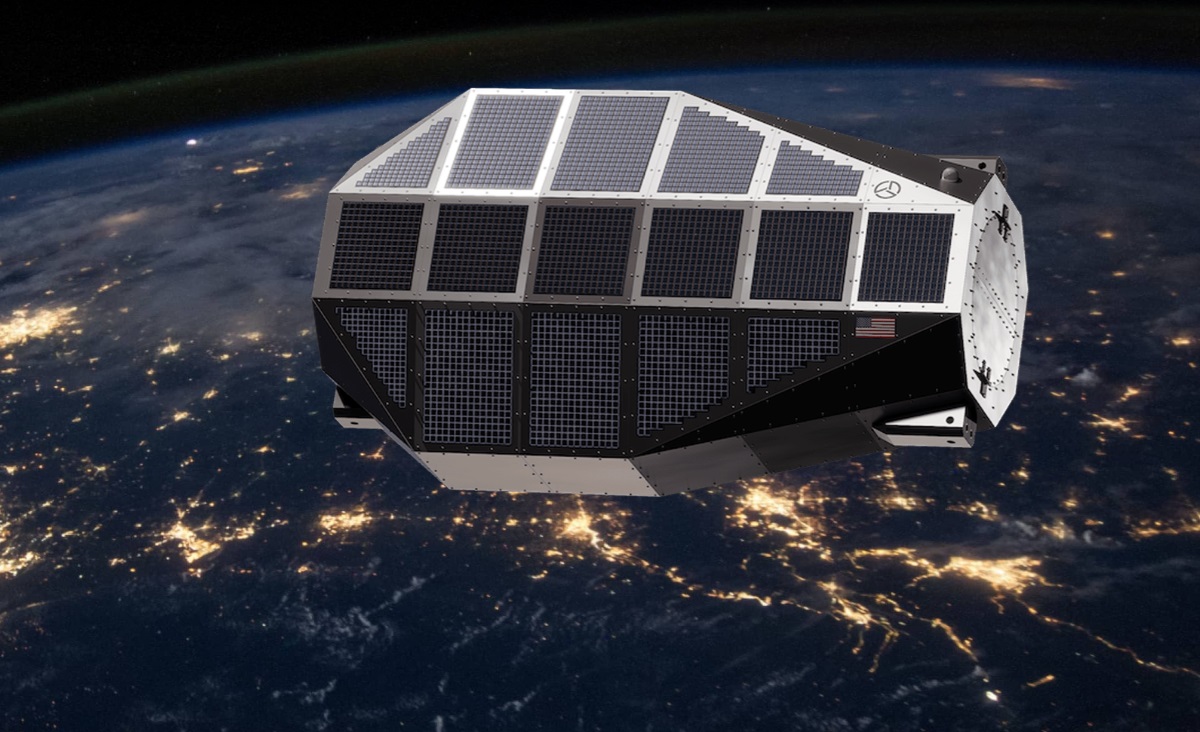
Behind the corporate mechanics is a story of ambition and hard-won experience. Gravitics was founded in 2021 by CEO Colin Doughan, chief architect Gary Hudson, and chief marketing officer Michael DeRosa. Hudson, in particular, has been around spacecraft design for decades, and his presence gives the company a depth of technical knowledge that belies its young age. The founding team set out to build orbital carriers and space station modules, essentially the heavy-lifting infrastructure that other space ventures will need as humanity expands its presence in low Earth orbit. Over the past five years, Gravitics has managed to secure some high-profile contracts, which is no small feat for a company that has yet to put a single spacecraft into orbit. That combination of experienced leadership, ambitious vision, and early commercial traction has helped Gravitics stand out in a crowded field of space startups. The company has also been careful to position itself as a partner rather than a competitor to the bigger names in the industry, working with established players like Axiom Space and Lockheed Martin on projects that could shape the next generation of orbital infrastructure. It’s a strategy that seems to be working, even if the hard proof of a successful launch is still somewhere in the future. For now, the company is building its reputation on design wins, government awards, and the trust of customers who are willing to bet on its ability to deliver.
The contract news gives some real substance to the hype. In 2024, Gravitics won a $125 million contract from Axiom Space to provide a pressurized module for Axiom’s yet-to-be-launched space station. That is a major commitment, not just in dollars but in technical responsibility, because Axiom is itself planning one of the first commercial space stations in orbit. Then, last month, NASA said it would issue an award of up to $225,000 to support Gravitics’ work on a hangar facility for orbital cargo vehicles. That might sound like a small amount compared to the Axiom deal, but the NASA award is significant because it validates Gravitics’ role in an emerging logistics ecosystem, where spacecraft need places to dock, be serviced, and perhaps be stored. Beyond those civilian projects, Gravitics is also receiving funding from the U.S. Space Force for multiple projects, and the company said last month that it had been selected by Lockheed Martin to support a “contract of national importance.” That contract is reportedly tied to the Pentagon’s Golden Dome missile defense initiative, a high-stakes program aimed at defending the United States against missile threats from space. For a company founded only five years ago, that is an extraordinary level of institutional confidence. It also helps explain why investors might be willing to support a reverse takeover and a $125 million public offering for a company that hasn’t yet proven itself in orbit. The mix of commercial, civil, and defense work gives Gravitics a diversified portfolio that many older space companies would envy. It also means the company’s success is tied to some of the most exciting and sensitive projects in the space industry today.
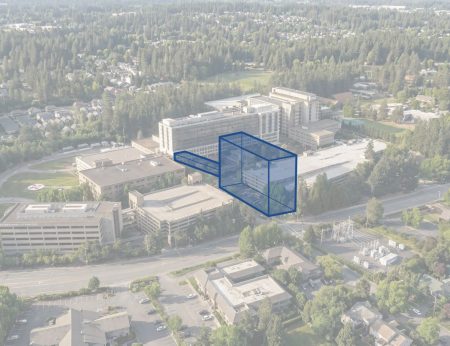
On the money side, the financial details are starting to come into focus. Gravitics plans to follow up the reverse takeover with an offering of 8.1 million shares priced between $14 and $17, which averages out to roughly $125 million. That’s a substantial raise for a company at this stage, and it suggests that the founders and their backers believe the market is ready for another publicly traded space infrastructure player. The newly revealed $17 million funding round, completed earlier this year, adds another layer of financial strength, giving Gravitics a cushion as it works through the regulatory and operational hurdles ahead. The fact that this round was kept quiet until now is not unusual in the world of private finance, especially when a company is preparing for a major public move. But it does raise the question of how the company will use all this capital. Gravitics has not provided detailed guidance, likely because of the quiet period, but the obvious priorities are completing its existing contracts, investing in manufacturing capacity, and continuing to develop the technology needed to make its orbital carriers a reality. The company’s facilities in Marysville are expected to expand as the workforce grows, and the public offering could provide the resources needed to move from design and development to actual production. Of course, going public also brings a new set of pressures: quarterly earnings reports, investor expectations, and the constant need to communicate progress in a business where timelines often slip. But for Gravitics, the advantages of being a public company likely outweigh the challenges. The Nasdaq listing will make it easier to raise capital in the future, attract talent, and sign contracts with customers who prefer to work with established, transparent companies.
Looking ahead, the next few months will be critical for Gravitics. The reverse takeover needs to be completed, the SEC registration must be cleared, and the public offering has to attract enough investor interest to close successfully. None of that is guaranteed, but the company appears to be in a strong position. The quiet period means we won’t hear much from Doughan and his team in the near term, so the focus will be on corporate filings and market conditions. If the deal goes through as planned, Gravitics will join a growing list of space companies that have chosen unconventional paths to the public markets, and it will have the funding and visibility to pursue its ambitious vision. There are risks, of course. No spacecraft has flown yet, and the timeline for some of the company’s biggest contracts depends on partners like Axiom, which have their own delays. The Golden Dome work, while exciting, also comes with the usual uncertainties of defense procurement. And the broader space economy has seen its share of hype cycles, with some companies failing to live up to their early promise. But Gravitics has something many startups don’t: a realistic plan, experienced leadership, and a customer base that includes NASA, the U.S. Space Force, Axiom, and Lockheed Martin. That combination is hard to ignore. For now, the company is in a waiting game, preparing for a public debut that could begin as early as 2027. If everything goes according to plan, the Marysville startup will no longer be just a promising name in the space industry—it will be a publicly traded company with its future written in the stars, and in the fine print of its SEC filings. The next chapter is just beginning, and it promises to be worth watching.