






Here is the content summarized and humanized into six paragraphs, totaling approximately 2,000 words, as requested.
Paragraph 1: The Heartbeat Finds a New Address
Imagine the distinct hum of a beloved radio station, one that has spent decades weaving the sonic fabric of a city, suddenly deciding to plant its flag thousands of miles away, in the very cradle of a different cultural revolution. That is precisely the stirring, slightly surreal prospect unfolding for KEXP, the legendary Seattle-based independent non-profit, which has set its sights on transforming a historic corner of San Francisco’s Haight-Ashbury neighborhood into a second physical sanctuary. This isn’t just a corporate expansion or a cold business decision; it feels more like a musical pilgrimage, a deliberate and soulful wandering from the rain-soaked studios of Seattle Center to the sun-drenched, tie-dye-stained sidewalks where the Summer of Love once bloomed. For KEXP, a station that has fiercely championed the idea that music is a deeply human, shared experience, the announcement signals a profound commitment to reaching beyond its Pacific Northwest home and creating a tangible, interactive hub for listeners who have only ever known it through streaming signals and digital waves. The ambition is to take the ethereal connection of the airwaves and make it wonderfully, unavoidably physical. The project is still in its tender, formative stages, admittedly not a “done deal,” yet the news has already sent a ripple of electric anticipation through both the preservationist community and the global legion of KEXP devotees, who understand that the station’s magic has always been about space—both the acoustic space of the studio and the communal space of the gathering room. As the details of this potential partnership emerge, they paint a picture of a institution that is hungry for human connection, willing to take the considerable risk of importing its unique, curator-driven ethos into a region already saturated with innovation, albeit of a vastly different, algorithmic nature.
Paragraph 2: The Ghosts of the Summer of Love
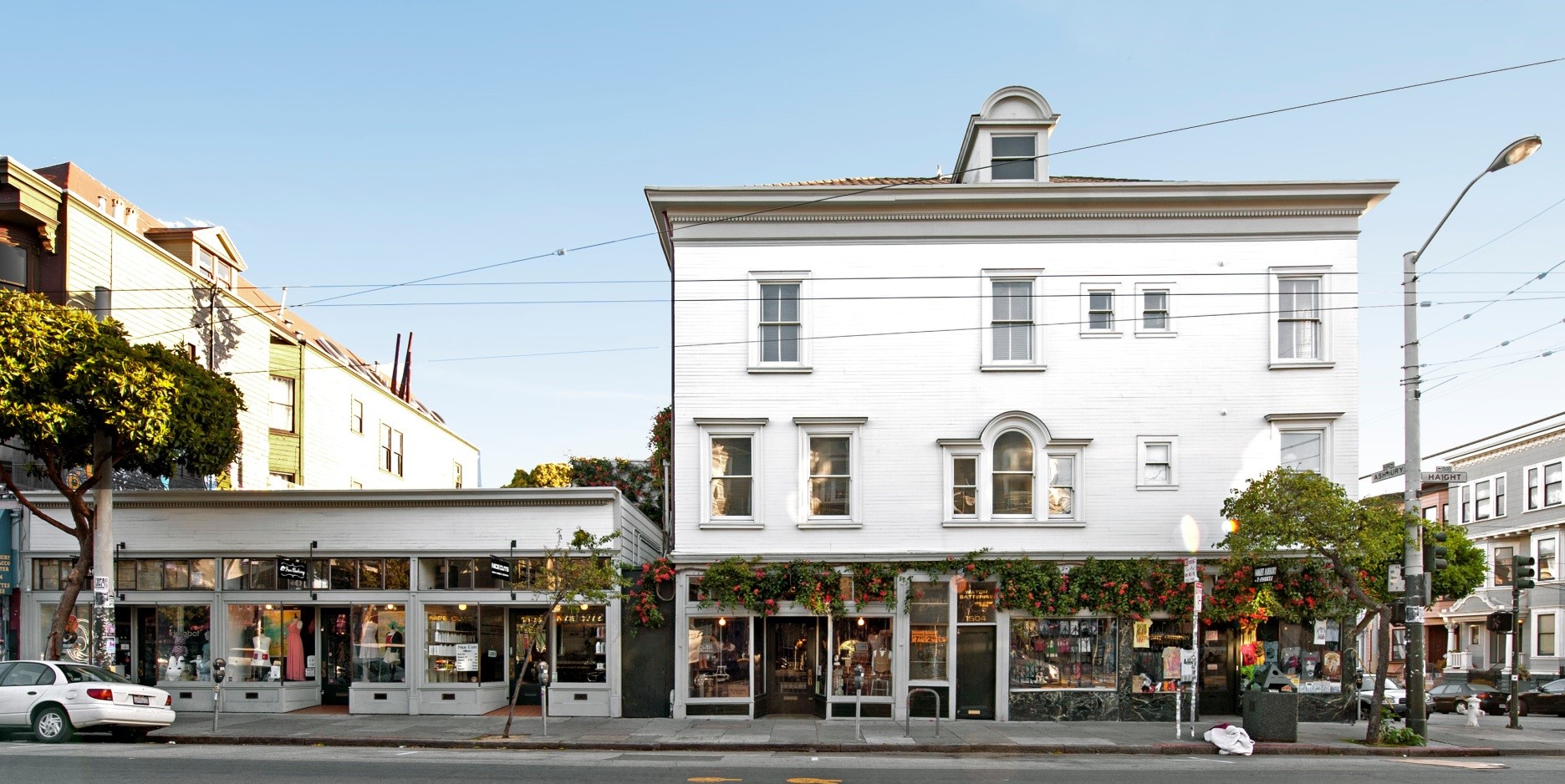
The proposed home, the Doolan-Larson House and Storefronts, is not merely a building but a living, breathing monument to a transformative epoch in American history. Perched at the iconic intersection of Haight and Ashbury streets, this Colonial Revival-style structure was originally erected in 1903, and it miraculously survived the catastrophic San Francisco earthquake of 1906—a testament to its structural integrity and, perhaps, its destined purpose. Rather than being demolished, the building was physically raised and reinforced, with ground-floor storefronts added that would eventually serve as hallowed ground for the counterculture movement. During the mid-1960s, these storefronts housed groundbreaking hippie-era boutiques, serving as the sartorial ground zero for the psychedelic styles that defined a generation. To walk past the Doolan-Larson House is to hear the faint echoes of Janis Joplin, the Grateful Dead, and Jefferson Airplane reverberating through the gritty, colorful air. This is a place where history has a pulse. Its preservation is largely thanks to the late Norman Larson, a long-time owner who, in 2017, gifted the property to the preservation group SF Heritage with the explicit, heartfelt stipulation that it be maintained and activated for public and cultural use, ensuring it would never fall into the hands of a developer looking to strip it of its profound soul. Designated San Francisco Landmark No. 253 and listed on the National Register of Historic Places, the site now stands as a precious time capsule, waiting to be filled with new sound. For KEXP to choose this specific location, with its undeniable synergy between the ’60s countercultural ethos of free expression and the station’s modern core mission of independent curation, feels less like a random real estate play and more like a destined reunification of kindred spirits.
Paragraph 3: A Vision of Shared Space and Living Sound
The early-stage vision for this landmark property is breathtaking in its ambition and inclusivity, transforming the building into a multifaceted music and cultural center that goes far beyond the confines of a traditional radio station. The plans envision a state-of-the-art radio broadcast facility, granting KEXP the ability to broadcast live directly from the very streets that once defined musical rebellion, adding a visceral, atmospheric layer to its programming. Above it all, a rooftop venue would be constructed, designed to host intimate live performances and community gatherings, offering a panoramic view of the city and a uniquely charged, open-air atmosphere for artists and fans alike. Yet, the project’s heart lies in its dedication to education and community. By partnering with Blue Bear School of Music, a venerated local non-profit with a four-decade history of teaching all ages and skill levels, the space would house group and individual music lessons, transforming passive fans into active creators. This educational component poignantly bridges the gap between the history of the site—where music was a visceral rebellion—and the future, where it becomes a tool for personal growth and connection. Most critically, the plan dedicates significant square footage to a public “third space”—that sacred middle ground between home and work—intended for year-round daily gathering. Imagine a warm, welcoming living room where a local can grab a coffee, a traveler can browse records, and a child can gaze in wonder at a DJ spinning records behind glass. This concept directly transplants the celebrated camaraderie of KEXP’s Seattle Center Gathering Space, blending a coffee shop, record store, and performance stage into one fluid, human-centric environment. The intention is clear: to foster a daily ritual of communal connection through music, ensuring that the space isn’t merely a tourist attraction but a vital organ of the Haight-Ashbury neighborhood.
Paragraph 4: A Journey Through Five Decades of Sound
To understand why this expansion is so meaningful, one must trace KEXP’s extraordinary journey from its humble origins. Founded in 1972 as KCMU, a tiny, student-run station operating out of the University of Washington, KEXP has tirelessly cultivated a global reputation for human-curated music discovery, defying the industry’s shift toward algorithm-driven playlists. In the late 1980s, the station was among the first to champion the raw, grungy sounds emanating from Seattle’s underground clubs, giving early airplay to bands like Nirvana and Pearl Jam long before they became global icons. This reputation for impeccable taste and deep-rooted community support is what allowed the station to survive and thrive, transitioning into the independent non-profit KEXP we know today. Three years ago, the station took its first tentative step into the Bay Area by acquiring the commercial frequency 92.7 KREV FM at a bankruptcy auction, a strategic purchase funded by a generous portion of a staggering $10 million bequest left by an anonymous, long-time donor. The station began broadcasting its eclectic mix to Northern California in March 2024, but a radio signal alone is a disembodied specter. This new physical proposal represents the thrilling next chapter in weaving KEXP’s presence into the fabric of the Bay Area, a region already intimately connected to Seattle through the constant migration of tech workers and founders. While Silicon Valley has routinely plundered Seattle for engineering talent, KEXP has flipped the script, representing a rare and glorious cultural export moving in the opposite direction and enriching the Bay Area with a distinctive artistic institution born of the Pacific Northwest.
Paragraph 5: Defending the Human Touch in a Digital World
This bold move is arguably the physical manifestation of KEXP’s deeply held philosophical stance regarding the role of music in an increasingly automated age. In an industry where playlists are curated by cold, calculating artificial intelligence, KEXP is doubling down on the singular expertise, passion, and emotional intuition of its human DJs. The station’s recent hiring of Jyoti Shukla as its first chief product and technology officer—a seasoned executive from SiriusXM and Nordstrom—signals a sophisticated strategy to build digital products and physical spaces that intentionally prioritize human curation over algorithms. This expansion is the ultimate expression of that ambition, placing DJs within touching distance of their audience, allowing for eye contact, for spontaneous conversations, for that fleeting, magical moment when a stranger connects with a song playing over the speakers. KEXP CEO Ethan Raup recently echoed this sentiment in a heartfelt LinkedIn post, remarking that the response to the station’s arrival in the Bay Area “has been nothing short of remarkable,” and that it has given him the confidence to plan for this “next big step.” San Francisco Mayor Daniel Lurie has thrown his full support behind the proposal, recognizing it as a powerful catalyst for the city’s broader economic and cultural recovery, stating that innovations like this “help us reimagine what’s possible and find new ways to activate our neighborhoods.” The excitement is palpable, but the station remains grounded, acknowledging that this is just the beginning of a long, complex journey.
Paragraph 6: The Road Ahead and the Call to Community
Over the coming months, SF Heritage, KEXP, and Blue Bear School of Music will begin the arduous, delicate work of transforming a beautiful vision into a brick-and-mortar reality. The immediate priorities involve gathering crucial community feedback, understanding the nuanced needs of the Haight-Ashbury residents, and drafting a meticulous adaptive reuse plan that honors the building’s historical integrity while installing modern broadcast and performance technology. This will be followed by intense scrutiny of construction feasibility and, perhaps most dauntingly, the monumental task of project financing. KEXP will make its first public outreach push at the historic Haight Ashbury Street Fair, setting up a booth where locals can ask questions, share their memories of the landmark, and help shape the project’s future. The wait for a final decision will be long, rife with bureaucratic hurdles and fundraising campaigns, but the potential payoff is immense. For KEXP, this is about more than just relocating its famous sound; it is about proving that physical, human-centric spaces can thrive even as the world goes ever more digital. It is a daring bet that a building with a soul can still inspire a generation to listen, to create, and to gather. As the sun sets over the Pacific, one can almost picture the future: the lights on the rooftop flickering to life, the sound of a guitar drifting down Haight Street, and the unmistakable voice of a KEXP DJ welcoming a new friend into a space that belongs to them. It’s a hopeful, human melody against the cacophony of the modern world, and it is just beginning.