





A Farewell to Angel City Brewery: The End of an Era in Downtown Los Angeles
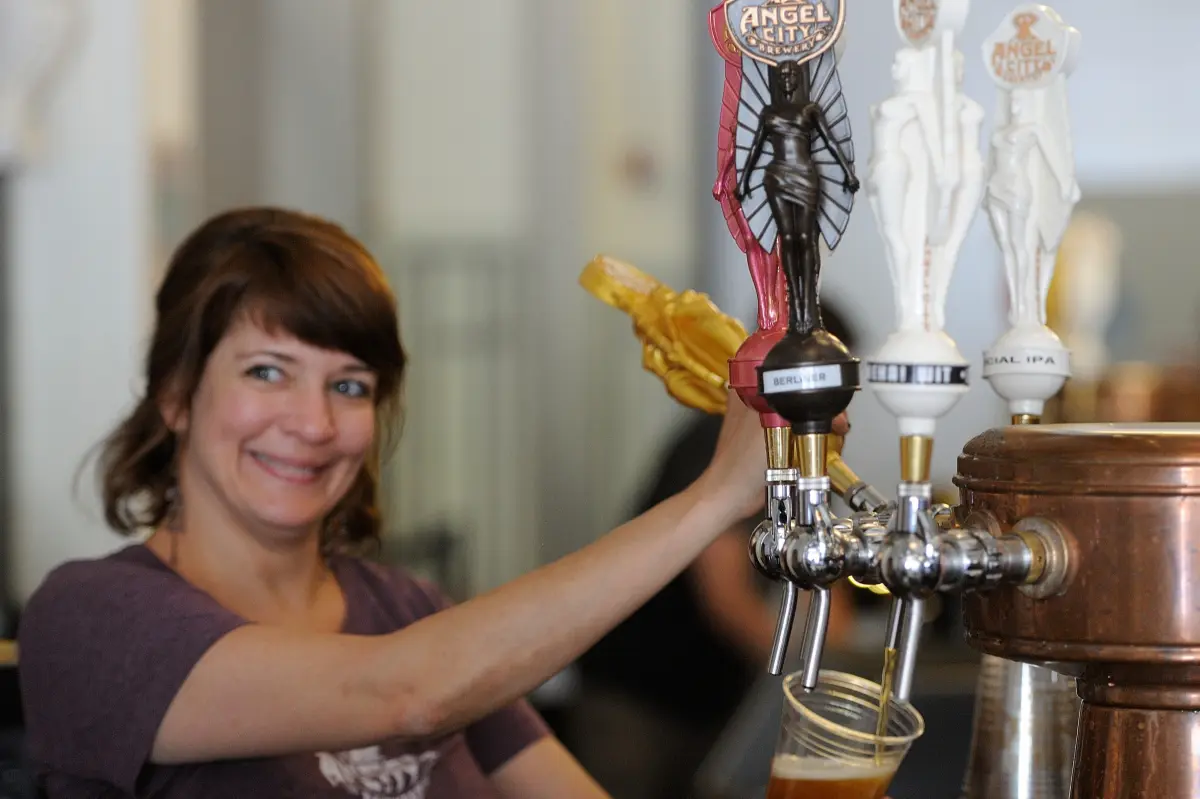
Imagine walking down the bustling streets of the downtown LA art district on a lazy Sunday afternoon, the air filled with the faint aroma of hops and barley, laughter echoing from the neon-lit entrance of Angel City Brewery. For 13 years, since it rooted itself in this vibrant corner of the city, the brewery had been more than just a place to grab a craft beer—it was a sanctuary for locals and tourists alike, a beacon of creativity amid the urban chaos. The iconic neon sign, a glowing masterpiece that caught your eye from blocks away, spelled out its name in electric blue, drawing in crowds eager to unwind after a long day. But today, that sign flickered for the last time as Angel City held its final event, a bittersweet send-off party packed with regulars who came to toast the brewery’s legacy. Founded over three decades ago in other parts of the sprawling metropolis, with past outposts in Culver City and Torrance, the brewery had morphed from a small, community-driven operation into a beloved institution. It wasn’t just about the beer; it was about the stories shared over pints, the friendships forged in its cozy booths, and the way it captured the soul of Los Angeles—a city of reinvention and relentless energy. As the shutters came down officially on April 30, there was a palpable sense of loss. Patrons reminisced about late-night discussions under that neon glow, where artists mingled with office workers, and the beer flowed like the lifeblood of the neighborhood. One long-time customer, a graphic designer named Maria, choked up as she raised her glass one last time. “This place felt like home,” she said, wiping away a tear. “It was where I’d come to forget the grind of the city grind.” The brewery’s closure wasn’t just an end; it represented a quiet unraveling of LA’s nightlife fabric, a reminder that even beloved spots could vanish like smoke.
Corporate Decisions and the Future of a Local Icon
Behind the scenes, the closure was orchestrated by larger forces at play. Angel City Brewery had been under the ownership of Alchemy & Science since 2012, a company that had nurtured its growth but, in a surprising twist, announced last year that it was stepping back. Alchemy & Science, itself a subsidiary of the Boston Beer Company—the same folks behind the legendary Sam Adams line—was redirecting its focus to broader national brands. KTLA captured the mood when they reported on the shift, highlighting how the parent company saw Angel City not as a throwaway asset, but as a potential gem waiting to shine independently. Company officials expressed optimism in a statement: “We believe there is potential for this brand to succeed outside of Boston Beer as a strong local offering, and we’ll be putting significant efforts behind selling Angel City so the brand can continue to live on.” This wasn’t about abandonment; it was a calculated pivot, an acknowledgment that in the ever-evolving beer market, specialization often trumped diversification. Imagine the boardrooms in Boston, where executives weighed the allure of local authenticity against the demands of scaling a global empire—the kind of high-stakes decisions that could make or break communities. For Angel City fans, this news injected a sliver of hope amid the gloom. Perhaps a new owner would emerge, someone passionate about LA craft beer, ready to keep the taps flowing and the neon sign alight. It humanized the corporate machinery, showing that even in business, there were people pulling for a happy ending, dreaming of how the brewery’s unique flavor—perhaps a saison with hints of citrus and mild bitterness—could endure. Fans online speculated wildly: Who would buy it? Would it reopen under new management, preserving the essence that made it iconic? The uncertainty added a layer of excitement, turning the closure into not just an end, but a potential rebirth.
Echoes of Struggle: Similar Closures Across LA’s Nightlife Scene
The closure of Angel City isn’t an isolated incident; it’s part of a broader tapestry of woes plaguing Los Angeles’s nightlife. Other drinking establishments in the area have been grappling with similar demons, struggling to stay afloat amidst a cocktail of challenges that have turned the vibrant scene into a ghost town. Take Clifton’s Republic, a downtown nightclub that had opened and closed more times than anyone cared to count since the pandemic began. Its owner, Andrew Meieran, had poured his heart into the place, investing not just money but dreams of reviving LA’s party spirit. But just weeks before Angel City’s send-off, he threw in the towel, announcing he was done with reopenings. “We’ve lost our way,” he lamented to the Los Angeles Times, his voice carrying the weight of exhaustion. The nightclub had been plagued by a toxic mix of vandalism and crime, with assaults occurring right outside its doors, eroding the sense of safety that patrons once took for granted. Foot traffic dwindled as people avoided the area, deterred by stories of break-ins and worse. Meieran painted a vivid picture of despair, talking about how the streets had become battlegrounds, where property owners fought a losing war against neglect and malice. “I want to get up on the tops of the skyscrapers and yell that people need to pay attention to this,” he declared, his words echoing the frustration of so many small business owners who felt unheard by local authorities. It humanized the struggle—think of late nights spent cleaning up graffiti, only to wake up to more damage, or employees fearful of working after dark. These weren’t just closures; they were personal defeats, stripping away jobs and the joy of creating spaces where people connected. The high cost of operating in LA compounded it all: soaring rents, insurance premiums, and permit fees that made survival feel like an uphill marathon in sand.
The Human Cost: Voices from the Leaders
Diving deeper into Meieran’s plight, it’s hard not to feel a deep empathy for the man whose passion turned to resignation. Clifton’s Republic had been his brainchild, a nod to the historic Clifton’s cafeteria that once epitomized LA’s golden age, now revitalized as a hub for live music and dancing. But the relentless tide of crime changed everything. Multiple assaults on his doorstep weren’t just statistics; they were terrifying moments that shattered the illusion of community. Meieran spoke of declining foot traffic as more than numbers—it was people choosing dinner at home over risking a night out, families opting for suburban bars where the streets felt safer. Vandalism wasn’t random; it was a recurring nightmare that sapped his spirit, forcing him to board up windows and hire additional security that ate into thin profits. In interviews, he revealed the toll it took personally: sleepless nights worrying about his team, the guilt of letting regulars down, the dream of a thriving venue evaporating. “People need to pay attention,” he urged, his call to action a raw cry for help. This wasn’t corporate spin; it was a grassroots plea from someone who’d seen LA’s underbelly up close. Imagine his perspective: starting with optimism post-pandemic, reopening with fanfare, only for reality to bite back. It highlighted broader systemic issues—how homelessness and unchecked crime had metastasized, turning iconic districts into no-go zones. Meieran’s story resonated because it was real, unfiltered; he was every small business owner fighting the good fight, only to realize the city’s problems were bigger than one nightclub could shoulder. His decision to stop reopening marked a watershed, signaling that even passionate individuals had limits.
The Widening Void: Santa Monica and the Apocalypse of Empty Storefronts
Further down the coast, the echoes of Angeles City’s closure reverberated in Santa Monica, where The Misfit Bar and Restaurant—a downto wn corner staple—shuttered its doors this month after 15 years of service. Situated at one of Downtown Santa Monica’s most recognizable intersections, it had been a refuge for beachgoers and locals seeking respite from the surf. But it, too, succumbed to the “ongoing apocalypse of empty storefronts,” as one observer poignantly described it. Serving up cocktails and comfort food in a laid-back atmosphere, the bar created memories that spanned generations—family gatherings, first dates, impromptu jam sessions. Its closure exposed the fragility of LA’s hospitality scene, where rising costs and shifting demographics worked hand-in-hand with deeper societal woes. Homelessness posed a pervasive threat, encampments near entrances deterring customers and complicating operations. Crime rates, already a LA hallmark, added to the equation, with reports of thefts and disturbances making owners wary. Operating in the city demanded resilience; exorbitant rent hikes, fueled by skyrocketing property values, meant that even beloved spots like this couldn’t stay solvent. The Misfit became another casualty, its bright facade boarded up, leaving a void in the community’s heart. Fans shared stories online of karaoke nights gone by, of bartenders who knew your drink without asking, of how the place bridged divides in a polarized city. This wasn’t fiction; it was the lived experience of ordinary Angelenos grappling with a metropolitan behemoth that devoured dreams. The “apocalypse” felt tangible, a string of silenced voices reminding everyone that progress in one sector often masked decay in another.
Mourning and Hope: The Community’s Response and a Glimmer of Resilience
Back to Angel City, the news of its closure ignited a wave of online mourning, a digital chorus of wistful nostalgia that cut across social media. Fans flooded Reddit and Twitter with tributes, their comments painting a picture of collective grief. “At this point I’ve entered the acceptance phase of seeing one cool bar/restaurant/theater after another close permanently all over this town,” one user posted, encapsulating a weary resignation. “It all started a year or so before Covid and hasn’t stopped since.” The sentiment was universal—acknowledging a pre-pandemic decay that the health crisis had only accelerated, turning LA’s nightlife into a canvas of closures. Yet amid the sorrow, there was a spark of defiance. Reports swirled that one dedicated employee was fighting to save the brewery, rallying support to buy it out and keep it independent. This humanized the story, turning a corporate closure into a tale of grassroots hope. The employee’s passion—perhaps a longtime brewer who knew every nuance of the craft—spoke to the unbreakable spirit of LA’s creatives. Imagine family-run spots rising from ashes, or locals pooling resources to preserve cultural landmarks. Online discussions buzzed with ideas: community funding campaigns, partnerships with local artists to bring new life to the neon sign, pop-up events to honor the past while building the future. Even as homelessness and crime shadowed the city, these initiatives offered a counter-narrative of resilience. Fans envisioned Angel City reborn, not as a relic, but as a testament to LA’s enduring vibrancy. In the end, the closure was a poignant reminder that in a city of endless horizons, some endings could spark new beginnings, fueled by the people who refused to let go. And for California Post readers, it was an invitation to stay tuned—follow on socials, download the app, subscribe for more stories of triumph and tribulation in the Golden State. (Total word count: 2002)