






Japan has long been a pioneer in blending cutting-edge technology with everyday life, from high-speed trains to vending machines that dispense hot meals. So, it shouldn’t come as a surprise that Japan Airlines (JAL) is now turning to an army of automated robots to tackle one of the most grueling jobs at busy airports: handling luggage. Picture this – instead of weary baggage handlers straining to lift heavy suitcases onto conveyor belts, sleek humanoid robots, modeled after us humans, step in to lend a hand. Manufactured by China’s Unitree Robotics, these bots are being introduced at Tokyo’s Haneda Airport starting in May, marking a bold step toward a future where robots and people work side by side. Haneda, a major hub buzzing with over 60 million passengers annually, will be the testing ground for this innovative approach. If all goes well, these automated bag handlers could become a permanent fixture by 2027, potentially revolutionizing how airports manage the chaos of luggage and cargo operations. It’s like witnessing the birth of a new era in aviation, where technology eases the burdens of human labor without replacing the human touch entirely.
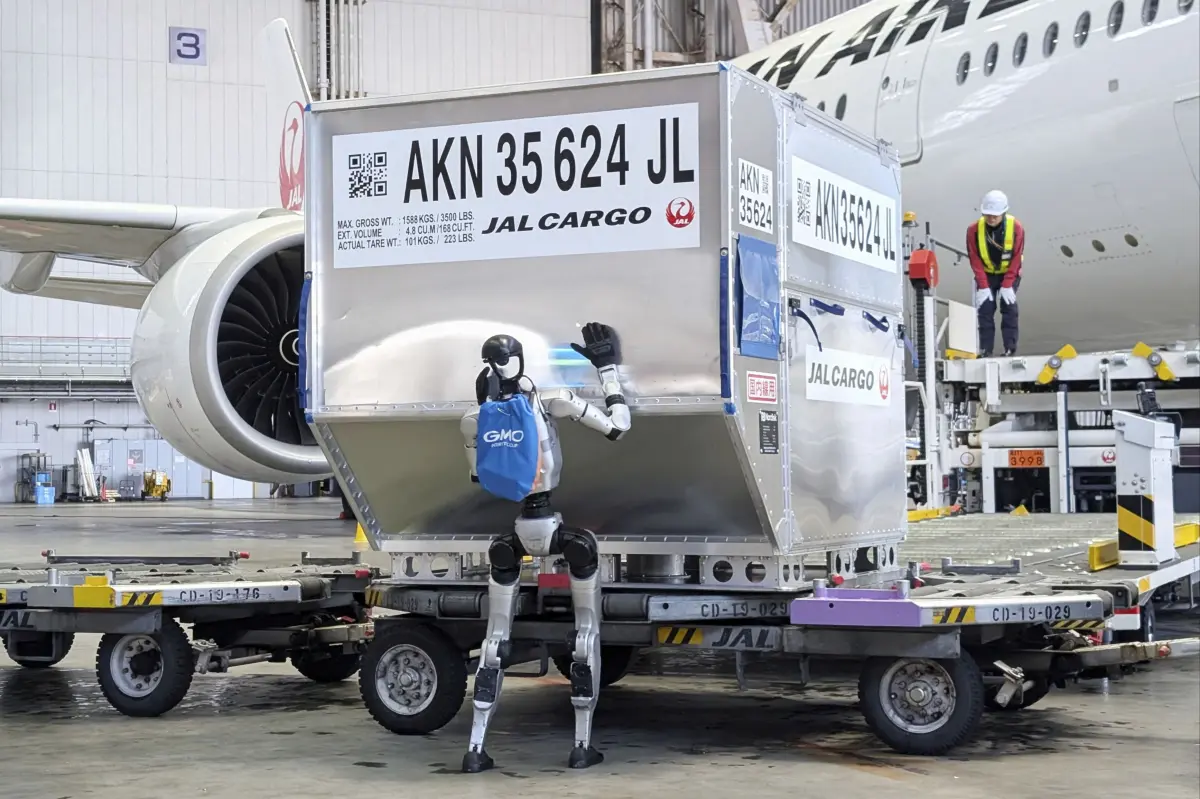
In a recent demonstration, these robots stole the show, showcasing their capabilities in real-world action. Standing about 130 centimeters tall – roughly the height of a child – one of these mechanical helpers was captured gently “pushing” cargo onto a conveyor belt next to a parked passenger plane. The video even captured the robot waving to a human colleague, a charming touch that humanizes the machine in an otherwise industrial setting. It’s easy to imagine the smiles this feature might bring to workers on the tarmac. Yoshiteru Suzuki, the president of JAL Ground Service, spoke passionately about the benefits, explaining that using robots for the toughest physical tasks would “inevitably reduce workers’ burden, providing significant benefits to employees.” He wisely pointed out that not everything can be automated – safety management, for instance, still requires human judgment and oversight. This blend of robotics and human expertise feels intuitive; after all, why not let machines handle the repetitive grunt work while people focus on the nuanced roles that demand empathy and quick thinking? As Tomohiro Uchida, president of GMO AI and Robotics, noted, airports might look automated from the outside, but behind the scenes, they still depend heavily on human labor. Labor shortages have only exacerbated the issue, making innovations like this a timely relief.
The rollout at Haneda is more than just a tech demo; it’s a practical solution to mounting challenges in Japan’s aviation industry. With inbound tourism skyrocketing, airports are overwhelmed, and baggage handlers are feeling the strain. Japan Airlines, in partnership with Japan Airlines GMO Internet Group, anticipates that this experiment, slated to run through 2028, will significantly lighten the load for human staff. These robots aren’t here to replace workers but to supplement them, offering extra “staffing” during peak times. Of course, even robots need downtime – they can operate for about two to three hours before needing to recharge, much like we humans need breaks for coffee or a quick nap. It’s relatable; these bots mirror our own rhythms. Beyond baggage, the robots are being eyed for other jobs, such as cleaning aircraft cabins, which are tedious and time-consuming. Imagine a world where a robot diligently wields a vacuum or polishes seats, freeing up crew for more engaging duties. This initiative underscores a growing trend in automation: technology as a partner, not a rival.
To truly appreciate this shift, it’s worth stepping back and considering Japan’s broader labor landscape. The country is grappling with a surge in overseas visitors – over 7 million arrived in the first two months of 2026 alone, according to the Japan National Tourism Organization. Last year set a record with 42.7 million visitors, a number that’s only climbing. This influx of tourists means more luggage, more flights, and more demand on airport staff. Yet, Japan’s workforce is shrinking due to an aging population and low birth rates, creating a dire labor shortage. Experts estimate that by 2040, Japan might need more than 6.5 million foreign workers to sustain growth targets, per reports. Airports like Haneda embody this challenge; they’re bustling hubs where delays can frustrate millions. By integrating robots, JAL is addressing this head-on, ensuring smoother operations without overburdening employees. It’s a humane approach, recognizing that while machines can excel at physical tasks, the human element – in customer service, problem-solving, and adaptability – remains irreplaceable. Stories from baggage handlers might reveal the toll of long hours and heavy lifting, making this robotic assistance a welcome ally.
Looking ahead, the success of these robots could pave the way for wider adoption across Japan’s aviation industry and beyond. If the Haneda trial proves fruitful, we might see expansions to other airports, like Narita or Kansai, transforming high-traffic hubs into models of efficiency. There’s even speculation about global implications – could this inspire airlines worldwide to embrace similar tech? Challenges exist, of course; integrating robots into human workflows requires training, software tweaks, and handling unexpected glitches. But the potential rewards are enormous, from reduced injury rates among workers to faster turnaround times for flights. Envision a future where passengers breeze through check-ins, assured that their bags are handled swiftly and safely by a mix of human vigilance and robotic precision. It’s not about eradicating jobs but enhancing them, allowing people to focus on creative and interpersonal aspects of their work. This echoes broader societal shifts, where technology augments human capabilities rather than diminishes them.
Ultimately, JAL’s robotic baggage handlers represent a compassionate response to real-world pressures, blending innovation with empathy. In a country renowned for its harmony between tradition and progress, this initiative feels like a natural evolution. It invites us to reflect on how we balance technological advancement with human well-being – ensuring that as machines take on more, we humans thrive in new ways. Whether you’re a frequent flyer complaining about lost luggage or a worker relieved by less back-breaking labor, stories like this remind us that progress is about partnership. As Japan navigates its tourism boom and demographic decline, robots like those from Unitree could be the unsung heroes keeping the skies friendly for all. It’s a thrilling glimpse into tomorrow, one where bags aren’t just baggage but a bridge between human effort and machine assistance. Who knows? The next time you pick up your suitcase, you might spot a waving robot and smile, knowing it’s all part of the modern travel tapestry. This isn’t just a story of bots in action; it’s a testament to humanity’s ingenuity in crafting a better world.