



The Stark Divide: From Desperation in Tehran to Prosperity in Tehrangeles
Imagine waking up in a bustling Iranian household, where the morning scramble isn’t just about the day’s routines but a desperate hunt for basics—like affordable meat or eggs—that have become luxuries amid economic turmoil. Families ration what they can, watching inflation skyrocket as job losses mount. This is the daily reality for millions in Iran today, where financial hardship has boiled over into mass protests, painting a grim picture of a nation grappling with unrest. But pivot thousands of miles west to Los Angeles, California, and you’ll find a thriving community of Iranian immigrants who’ve turned adversity into empires of wealth and influence. Known affectionately—or sometimes enviously—as “Tehrangeles,” this enclave boasts the largest concentration of Iranians outside their homeland. Here, doctors, lawyers, dentists, and real estate moguls aren’t just surviving; they’re thriving, owning multiple properties, driving luxury cars, and influencing local politics. It’s a tale of two Irans, separated by oceans and opportunities, born from the same historical upheaval in 1979. Yet, while Iranians back home face a regime that suppresses dissent with deadly force—in early 2026, protests over skyrocketing prices and economic despair led to thousands of deaths—those in LA embody a resilient dream deferred, a bridge between lost homelands and American success stories. Picture it like this: an elderly woman in Tehran, selling handmade crafts on a dusty street to afford bread, while her grandson in Beverly Hills designs high-end fashion boutiques. The contrast isn’t just economic; it’s emotional, a human echo of displacement and reinvention. For many, Tehrangeles isn’t just a city; it’s a sanctuary where the spirit of Tehran lives on, vibrant and undimmed by the chaos left behind. This duality reminds us how one country’s revolution reshaped lives globally, creating parallel worlds where some rebuild amidst deprivation, and others soar in abundance. Sarmen Gorjian, who fled Iran in 2010 to become an insurance agency owner, puts it poignantly: “If you cannot afford your rent, if you cannot pay for food, then you have nothing to lose.” His words capture the raw human cost of desperation, a feeling that many in Los Angeles carry like a quiet scar, even as they build gilded lives.
The Tragedy Unfolds: Protests and Suffering in Modern Iran
Delving deeper into the heart-wrenching struggles in Iran, the year 2026 stands as a harrowing marker, when economic desperation morphed into a nationwide cry for change. Following decades of sanctions, corruption, and mismanagement under the Islamic Republic, Iranians found themselves in a vortex of hyperinflation, where basic staples like meat and eggs—once everyday items—became prohibitive. Families huddled around kitchen tables, debating whether to skip meals or sell cherished heirlooms; parents whispered to children about rationing, their eyes heavy with worry. The toll was palpable: widespread unemployment left breadwinners idle, while soaring prices eroded savings accumulated over lifetimes. It wasn’t just numbers on a graph; it was the sting of hunger in a child’s tear-streaked face, the exhaustion in a shopkeeper’s sigh as customers haggled over pennies. By early 2026, this pent-up frustration erupted onto the streets in unprecedented protests. Citizen after citizen took to roads, chanting for justice, echoing Sarmen Gorjian’s logic that true desperation breeds unbreakable resolve. But the regime’s response was swift and brutal: security forces, armed and unyielding, clashed with demonstrators, resulting in thousands of deaths. Stories emerged of unarmed protestors felled by bullets, families torn apart in moments of chaos, lives extinguished in the name of control. For onlookers in Tehrangeles, watching from afar felt like reliving a familial tragedy; social media posts and grainy videos smeared screens with blood and tears, evoking memories of their own flight from tyranny. Yet, amidst the sorrow, there was a spark of defiance—a reminder that human dignity persists even in oppression. Many in LA, who had witnessed or experienced Iranian crackdowns in the past, felt a profound ache, pondering how the same revolutionary fervor that birthed their escape now condemned others to cycles of violence. It humanized their success abroad, turning wealth into a bittersweet legacy. The 2026 events weren’t isolated; they were the crescendo of systemic failures, where economic woes intertwined with political repression, leaving a nation scarred and divided.
Tracing Roots: The 1979 Revolution’s Dual Legacy
The threads connecting today’s divides stretch back to the seismic events of 1979’s Islamic Revolution, a pivotal moment that uprooted millions and set in motion bifurcated destinies. For Iranians in Tehrangeles, these roots run deep, etched into personal narratives of loss and rebirth. The revolution, overthrowing the Shah, unleashed a wave of regime change that sent refugees streaming out, many fleeing to the United States amid fears of persecution. They arrived as strangers in a foreign land, often leaving behind confiscated homes, frozen bank accounts, and shattered dreams. Amid the chaos back home, Iran plunged into a devastating currency collapse and rampant inflation, transforming a once-prosperous society into one mired in scarcity. Veterans of the exodus recall the heartache of abandonment: families split, inheritances lost to bureaucratic whims, and a homeland transformed into a place of uncertainty. Yet, Los Angeles offered sanctuary—a city that mirrored Tehran’s pre-revolution vibrancy. As Bobby Samini, a celebrity lawyer representing stars like T-Pain, reminisces, Tehran and LA felt like sister cities in the ’70s, bustling hubs of global culture. Immigrants seized this familiarity, rebuilding lives with grit. Ironically, the revolution that displaced them also inadvertently paved paths to prosperity abroad. While Iran grappled with war and turmoil—which persists in the wider Middle East today—these exiles dodged the economic abyss by integrating into America’s booming economy. They started anew: professors turned tutors, engineers became entrepreneurs, all channeling the entrepreneurial spirit fostered in pre-revolution Tehran. Personal stories abound—take Sharona Nazarian, Beverly Hills’ mayor, who fled as a child during the revolution. From her parents’ recounts of fleeing in covert night escapes to her own rise in philanthropy and politics, her journey encapsulates resilience. The 1979 exodus wasn’t just about survival; it was about transmuting trauma into triumph. For those who stayed, the revolution’s aftermath brought decades of austerity, war, and isolation, breeding the desperation fueling modern protests. In LA’s enclaves, old Tehran coffeehouses and kebab shops intertwine with new fortunes, a living testament to how history’s upheavals carve out parallel lives.
A Familiar Haven: Parallels Between Tehran and Tehrangeles
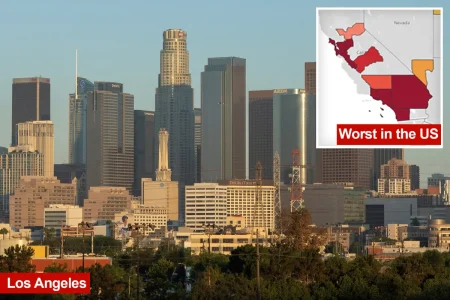
Stepping into Tehrangeles today feels like wandering through a living bridge to Tehran, where echoes of the old city blend seamlessly with Hollywood glamour. Imagine the smoggy Los Angeles skyline at dusk, adorned with Persian restaurants serving saffron-rich dishes that transport diners back to family gatherings in Iran. This sense of familiarity isn’t coincidence; it’s the cornerstone of why so many Iranian refugees chose LA as their new home. Post-1979, the community swelled from waves of immigration in the ’70s and ’80s, drawn by cultural parallels that made the transition less alienating. Bobby Samini’s observations ring true: early Tehran was a cosmopolitan jewel, teeming with international influences, much like LA’s melting-pot energy. Immigrants traded Tehran’s urban thrills for California’s palm-lined streets, finding solace in shared language, cuisine, and social customs. Beverly Hills, where about a quarter of residents claim Iranian roots, exemplifies this fusion. Here, Iranian architects and developers have left indelible marks, like the Mahboubi family, who immigrated in the 1970s and shaped Rodeo Drive into a luxury bastion. Their story is one of endurance: arriving penniless, leveraging connections and hard work to erect empires from the ground up. It’s personal too—think of a young immigrant couple, perhaps inspired by Mahboubi originals, mortgaging homes to start import businesses, their children growing up bilingual, navigating both worlds. Even royalty has made its home here: the exiled Crown Prince Reza Pahlavi’s daughter, Princess Noor, resides in this enclave, a symbol of lineage reclaimed in exile. Reality TV shows like “Shahs of Sunset” and “The Valley: Persian Style” amplify the community’s glamorous reputation, glamorizing opulent weddings and lavish lifestyles while rooting in authentic struggles. Yet, beneath the sheen lies humanity: immigrants like Shervin Roohparvar, a real estate developer and TV personality, recall evenings spent in homesick gatherings, sharing tales of lost streets and reborn dreams. The city isn’t just a backdrop; it’s therapeutic, offering glimpses of the Tehran they remember—vibrant, progressive—as a balm against revolution’s scars.
Prosperity Blooms: The Affluence of Iranian-Americans
In Tehrangeles, affluence isn’t an accident; it’s the fruit of deliberate reinvention, where Iranian immigrants have outpaced many groups in economic success. Shervin Roohparvar’s quip about Persians owning “four or five properties” with “two under construction” isn’t hyperbole—it’s common among professionals here. Doctors, lawyers, dentists, and business moguls dominate, their portfolios expanding faster than the city’s famed freeways. This isn’t limited to LA; across the US, Iranian immigrants boast median incomes 23% higher than other immigrants and 20% above the national average, according to data highlighting their upward trajectory. Personal narratives illuminate this ascent: imagine an engineer from Tehran, arriving with nothing but qualifications, who rises through Silicon Valley firms or real estate ventures, later coaching his kids on entrepreneurship. Success stories crop up like eloquent testimonials—Morris Aghilar, a logistics mogul, or even artistic figures like Moby’s manager Alan Silfen, all tracing roots to Iran. For many, the revolution’s dislocation spurred education and hustle; family emphasis on learning, inherited from Iranian tradition, translated into elite careers. Yet, it’s not just dollars; it’s community pride, manifested in philanthropic efforts funding schools back in Iran or aiding newcomers. Reality TV spotlights this wealth, but it underpins deeper resilience: losses from regime seizures fueled a “never again” mentality, driving investments in stable assets like property. Amid the glamour, though, lurk human costs—cultural clashes, identity negotiations—making the journey bittersweet. Sarmen Gorjian’s story, transitioning from Tehran’s turmoil to LA’s stability, mirrors many: starting an insurance firm, thriving not by accident but by marrying heritage with American opportunity. This affluence humanizes Tehrangeles, transforming stereotypes of “rich Persians” into compassion for roots, where prosperity isn’t boastful but a quiet rebellion against oppression. Watching from afar as Iran struggles, these immigrants grapple with guilt and gratitude, their wealth a bridge for remittances and advocacy.
Reflections on Divergent Paths: A Global Legacy in Flux
As we reflect on these parallel worlds, Tehrangeles embodies the enduring human capacity to pivot from crisis to prosperity, a narrative resonant in immigrant histories worldwide. The 1979 revolution’s wounds linger in Iran’s economic despair and violent suppressions, as seen in 2026’s tragic protests, whereas LA’s enclaves thrive on reinvention. Yet, this prosperity begs questions: How does one community’s success balance the other’s plight? For those in Tehrangeles, funds flow back to Iran via relatives, charities, or informal networks, easing hardships. Personal reflections abound—families reuniting via video calls, sharing recipes and dreams, the prosperity of one side fueling hope for the other. Bobby Samini’s wish for Tehran and LA as sister cities feels prescient, evoking unfulfilled potentials lost to ideology. Shows like “Shahs of Sunset” and figures like Princess Noor keep Iran alive in the diaspora, but also spark debates on assimilation versus heritage. Ultimately, this story humanizes migration: not as cold statistics, but as intimate journeys of loss reclaimed. As wars ripple through the Middle East, Tehrangeles stands as a beacon, reminding us that history’s forks don’t define us—they shape what we become. Immersing in this tale invites empathy, urging viewers to explore the video for deeper insights into these lives. For updates, follow California Post on social platforms, where such stories unfold daily in our interconnected world.