




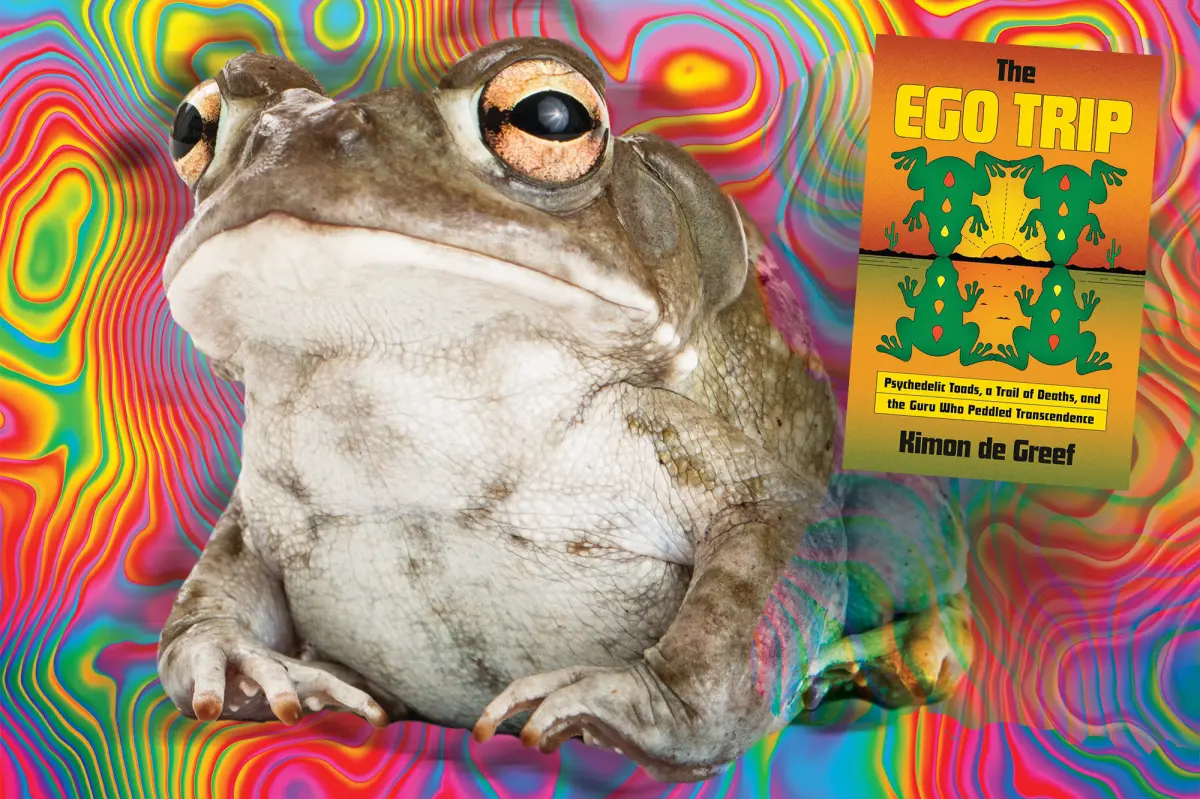
We live in a culture deeply bruised by alienation, starved for genuine connection, and perpetually searching for a shortcut to the divine. This collective ache has paved the way for the meteoric rise of 5-MeO-DMT, a chemical compound so profoundly potent that it has earned the moniker “the God Molecule.” Extracted from the parotoid glands of the Sonoran Desert toad, Incilius alvarius, this substance does not merely induce visual hallucinations; it completely dismantles the human ego, thrusting the initiate into a state of absolute, non-dual oneness with the universe in a matter of seconds. For fifteen minutes, the boundaries of time, identity, and personal history vanish entirely, replaced by what many describe as a blinding, white-hot immersion in pure, unconditional love and infinite consciousness. In an era where traditional religious institutions are crumbling and mental health crises are skyrocketing, the promise of instantaneous salvation is incredibly seductive. Seekers travel from all over the globe, carrying their deepest traumas, addictions, and existential anxieties to remote retreats, desperate to lay their burdens down at the feet of this evolutionary catalyst. Yet, this desperate search for healing has created a highly volatile and unregulated ecosystem. When vulnerable humans surrender their consciousness in pursuit of the ultimate truth, they require a guide—a compassionate shepherd to hold the space while their reality dissolves. Unfortunately, the vacuum created by this modern spiritual gold rush has not been filled by cautious, humble healers, but rather by self-styled prophets who weaponize the profound vulnerability of the psychedelic experience to feed their own insatiable egos. The allure of the God Molecule is inseparable from the human tragedy of those who seek to control it, turning a sacred, natural sacrament into a stage for their own megalomania.
At the center of this modern psychedelic drama stands the archetype of the charismatic, self-proclaimed prophet—men like Octavio Rettig and Gerry Sandoval, who positioned themselves as the exclusive, divinely ordained gatekeepers to this chemical heaven. Rettig, a former doctor from Mexico, branded himself as a savior who had survived his own severe battle with crack cocaine addiction through the grace of the toad venom. Armed with this compelling personal narrative of redemption, a magnetic presence, and a flair for theatrical ritual, he traveled the world administering the potent venom to thousands of eager disciples. He did not merely present himself as a facilitator; he cultivated an aura of divine appointment, claiming to have reintroduced a lost, ancient indigenous tradition, despite anthropological evidence suggesting that the Sonoran Desert tribes had no historical tradition of smoking toad venom. Under his guidance, the ceremony became less about quiet, introspective healing and more about a high-stakes, dramatic exorcism where he acted as the ultimate arbiter of the soul. The prophet’s ego expanded in direct proportion to the number of people he “saved,” and he began to view himself as a messianic figure chosen by the toad itself. He built a global empire of devotion, charging exorbitant fees, demanding total submission from those who entered his circle, and training a legion of disciples to spread his gospel. This is the tragic paradox at the heart of the movement: a molecule that systematically obliterates the human ego became the primary vehicle for the inflation of one man’s monstrous self-importance, proving that even the most sacred experiences can be corrupted when filtered through the lens of unexamined power.
To understand how a healer transforms into a tyrant, one must examine the insidious psychological phenomenon of spiritual inflation. When a facilitator repeatedly witnesses the profound, tearful surrender of hundreds of individuals—many of whom wake up from their trip weeping, hugging the facilitator’s knees, and declaring that they have been saved—it creates a highly toxic psychological feedback loop. Unless the facilitator is deeply grounded, disciplined, and supported by a robust community that holds them accountable, they will inevitably begin to believe their own press. The boundaries between the medicine and the medicine-giver begin to blur; the facilitator attributes the miraculous healing properties of the God Molecule to their own personal genius, spiritual purity, or divine favor. In the case of these rogue prophets, this inflation manifested as a total loss of humility, empathy, and self-awareness. They came to believe they were above the law, above ethical boundaries, and above the basic human duty of care. They began to view their clients not as sovereign human beings in need of support, but as blank canvases upon which they could paint their own delusions of grandeur. This psychological drift is particularly dangerous because it masquerades as spiritual authority; the prophet genuinely believes they are acting out of divine love, even as their behavior becomes increasingly erratic, controlling, and abusive. They occupy a position of absolute power over individuals who are temporarily completely helpless, a dynamic that is ripe for exploitation and has historically led to the destruction of the very communities these leaders promised to protect.
As the prophet’s ego grew unchecked, the actual ceremonies devolved from safe spaces of healing into arenas of physical and psychological terror. Reports began to emerge from the shadows of the psychedelic underground, detailing horrific abuses of power that shattered the utopian myth of the God Molecule. During these high-volume sessions, seekers were often subjected to extreme physical restraint, had water or other substances forced into their mouths while unconscious, and were left to thrash violently on the ground without adequate medical supervision. The prophet, convinced of his own infallibility, viewed these dangerous interventions as necessary “exorcisms” to clear deep-seated trauma, dismissing the frantic cries of terrified onlookers as mere ignorance of the medicine’s power. In some tragic instances, these reckless practices resulted in severe physical injuries, prolonged psychological trauma, and even death. When victims or their families attempted to speak out, they were met with fierce gaslighting, threats, and excommunication from the community. The prophet and his loyal disciples would argue that those who suffered simply “resisted the medicine” or lacked the spiritual fortitude to integrate the experience, shifting the blame entirely onto the traumatized individuals. This gaslighting reveals the deepest wound of the prophet’s empire: the systematic denial of the victims’ humanity to preserve the myth of the leader’s perfection. It exposes a chilling truth about the dark side of the psychedelic renaissance—that under the guise of cosmic love and unity, the same old patterns of patriarchal violence, exploitation, and disregard for human life can flourish unchecked.
However, the blame does not rest solely on the shoulders of the egomaniacal prophets; it also lies in the collective complicity of a culture desperate for quick fixes and the unchecked greed of the emerging psychedelic gold rush. In our eagerness to escape our pain, we often willingly surrender our sovereignty to anyone who speaks with enough conviction and wraps themselves in the aesthetic of indigenous wisdom. We want to believe in magic, and we want to believe that someone else has the keys to our lock. This desperation blinds us to red flags, making us excuse abusive behavior, ignore the warnings of survivors, and silence dissenters in order to protect our own hope of healing. Furthermore, the commercialization of psychedelics has created a high-pressure market where “influencer shamans” are highly incentivized to prioritize volume, speed, and profit over safety, ethics, and integration. The mainstreaming of these substances has stripped them of their communal, slow-paced, and integration-focused contexts, replacing them with fast-track, high-cost spiritual tourism. When a single weekend retreat can generate tens of thousands of dollars, the incentive to ask hard questions about a facilitator’s mental stability, safety record, or ethical behavior vanishes. The community became a silent partner in the abuse, enabling the prophet’s behavior by feeding him a steady stream of vulnerable clients and shielding him from accountability in the name of preserving the reputation of the “psychedelic movement.”
The fall of these false prophets, catalyzed by brave whistleblowers and dedicated activists who refused to be silenced, serves as a crucial turning point and a profound, necessary cautionary tale for the future of medicine. It has forced a painful but healthy reckoning within the psychedelic community, dismantling the naive belief that these substances are inherently healing regardless of the context, intention, and safety measures in place. True healing does not come from a fifteen-minute cosmic explosion orchestrated by a charismatic leader; it comes from the quiet, difficult, and deeply grounded daily work of integration, supported by safe, accountable, and humble communities. We must learn to decouple the majesty of the God Molecule from the flawed human beings who administer it, recognizing that no single facilitator possesses the monopoly on divine truth or healing. As we move forward into a new era of psychedelic medicine, the focus must shift away from the worship of charismatic shamans and toward the establishment of rigorous safety standards, ethical accountability, peer support, and, above all, the reclamation of our own personal sovereignty. The true lesson of the God Molecule is not that we need a prophet to show us the light, but that the light already exists within us, waiting to be discovered not through submission to an egomaniac, but through the patient, loving reclamation of our own humanity.