





The Garlic Revolution: How a Kitchen Staple Became the Internet’s Favorite Biohack
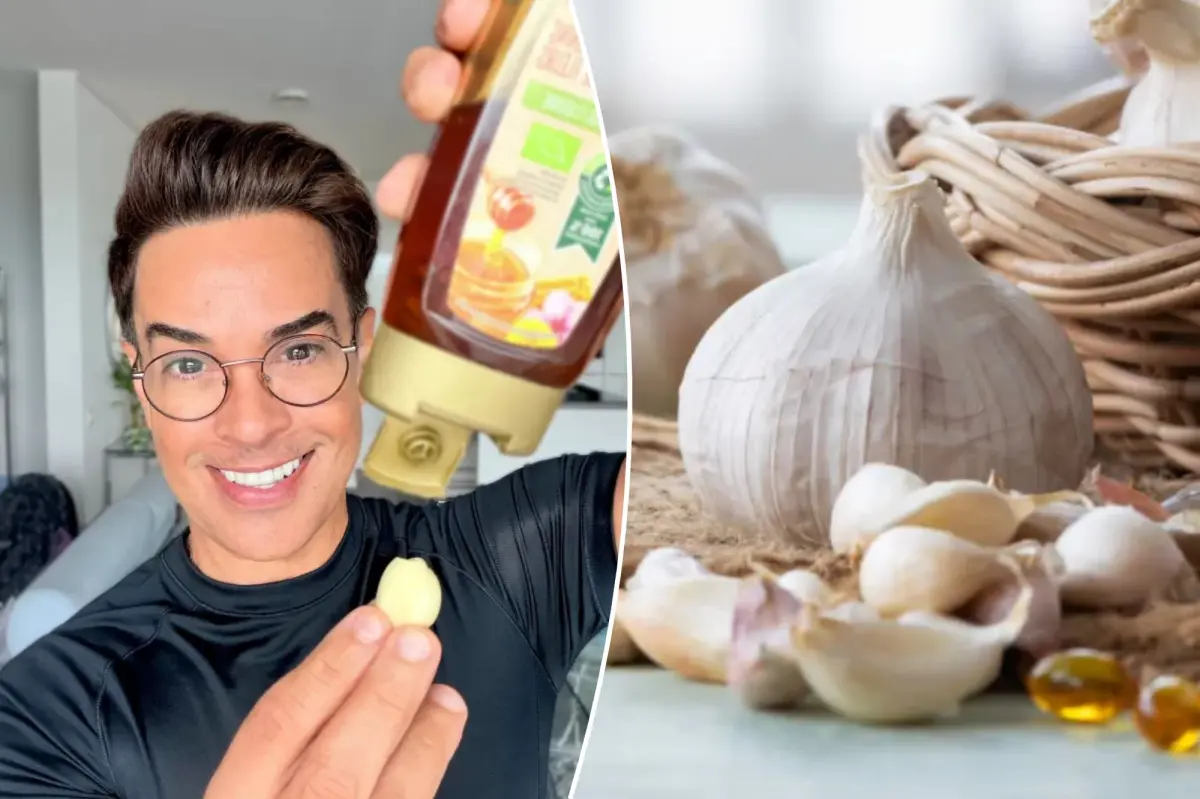
Every morning, Edson Brandao begins his day with a ritual that would make most people cringe. The 59-year-old biohacker and anti-aging coach reaches for a clove of garlic, crushes it with practiced precision, and mixes the pungent paste with a spoonful of honey before swallowing it in one swift motion. It’s not exactly the breakfast of champions by conventional standards, but Brandao swears by this peculiar morning routine. “It’s a small habit, but it supports my healthy lifestyle,” he explains, crediting this daily dose of nature’s medicine for his youthful appearance and remarkably stable energy levels. But this wasn’t always his reality. Just a few years ago, Brandao found himself in a darker place, struggling with depression, unwanted weight gain, and the unwelcome signs of aging that seemed to appear overnight. “I didn’t like what I saw in the mirror,” he recalls honestly. The transformation came when he decided to take control of his health naturally, and garlic and honey became his unlikely allies in this journey toward renewal. Now, he reports feeling more energized than ever, with better digestion and a immune system that seems to repel illness with remarkable efficiency.
Brandao isn’t alone in his garlic devotion. Across the vast landscape of social media, a garlic renaissance is taking place, with biohackers, longevity enthusiasts, and wellness warriors resurrecting this ancient remedy as the newest must-have addition to any self-respecting health optimization routine. The testimonials read like something out of a miracle cure advertisement, but the enthusiasm feels genuinely infectious. One Reddit user gushes that chopped garlic outperformed every supplement they’d ever tried, describing its mood-boosting and blood flow effects as simply “insane.” Another commenter, clearly astonished by their experience, wonders aloud if the humble garlic clove is practicing some kind of culinary sorcery, noting how a single piece of raw garlic provided more energy than an entire bowl of energy drinks. The crowning moment came when a particularly devoted fan declared garlic the “ultimate biohack,” cementing its status in the wellness pantheon. The creativity doesn’t stop at simple consumption either. While some, like Brandao, mix garlic with honey to soften the aggressive flavor profile, others have elevated this practice to an art form by fermenting the combination, creating what devotees describe as a potent elixir that destroys harmful gut bacteria while simultaneously reigniting fat-burning capabilities. Social media influencers have gone further, making claims that would make even the most enthusiastic traditional medicine practitioners pause, suggesting garlic can lower cholesterol, eliminate parasites, support heart health, improve insulin sensitivity, clear persistent acne, banish brain fog, and even cure a common cold within a mere 24 hours.
But what does science actually say about these bold claims? Interestingly, garlic isn’t just another wellness fad built on flimsy evidence and wishful thinking. The research backing some of garlic’s benefits is surprisingly robust, particularly when it comes to cardiovascular health. Gary Brecka, a prominent biohacker and host of “The Ultimate Human Podcast,” points to compelling meta-analyses—studies that analyze and combine the results of multiple research papers—showing that garlic can reduce systolic blood pressure by up to 10 points in people with elevated readings. To put that in perspective, that’s comparable to the effect of a prescription blood pressure medication, which is no small feat for a kitchen staple. Dr. Joel Kahn, a cardiologist and founder of the Kahn Center for Cardiac Longevity, has been ahead of the curve on this front, regularly recommending aged garlic extract supplements to his patients. He cites the proven benefits: lowered blood pressure, modest reductions in LDL cholesterol, decreased homocysteine levels, and even contributions to stabilizing arterial plaque and potentially reversing some cardiovascular damage. The benefits extend beyond the heart, with emerging data suggesting positive effects on muscle health and the production of NAD+, a molecule crucial for cellular energy and longevity. From a nutritional standpoint, Amy Shapiro, a registered dietitian, emphasizes that garlic delivers a respectable package of essential nutrients including manganese, vitamin B6, vitamin C, selenium, and fiber, along with those celebrated sulfur compounds like allicin that form when garlic is crushed or chopped.
Yet the scientific picture isn’t entirely rosy, and garlic’s reputation becomes more complicated when subjected to rigorous examination. The research landscape has some notable gaps, as Brecka candidly acknowledges. Many studies are short-term, use inconsistent doses and forms of garlic, and some evidence comes from laboratory or animal studies that don’t always translate to human experience. The cholesterol story provides a cautionary tale. In 2007, Stanford University researcher Dr. Christopher Gardner conducted what remains the most comprehensive independent study on garlic and cholesterol, comparing raw garlic, powdered garlic, aged garlic extract, and a placebo over six months with 200 participants. The results were surprisingly disappointing: absolutely no improvement in cholesterol levels across any group. When it comes to more dramatic claims, like garlic’s cancer-preventing properties, the strongest long-term observational studies largely fail to support the hype. Even the cognitive benefits championed by some enthusiasts face contradictions. Dave Asprey, the best-selling author who essentially coined the term “biohacking,” reports the opposite effect, noting that when he tracked his brain activity using EEG technology, garlic consistently decreased his alpha waves, which are associated with focus, calm, and mental clarity. He warns that regular high-dose garlic and onion consumption might actually create what he calls “cognitive drag,” potentially impairing rather than enhancing mental performance.
The potential downsides of garlic consumption deserve attention as well, beyond the obvious social consequences of persistent garlic breath. Shapiro warns that consuming large amounts of raw garlic can trigger heartburn, bloating, and uncomfortable gas, not to mention the distinctive body odor that accompanies heavy consumption. More seriously, garlic possesses natural blood-thinning properties, meaning high doses or concentrated supplements could increase bleeding risk, particularly for individuals already taking blood thinners or preparing for surgery. For those attempting to navigate this complex landscape of conflicting information and exaggerated claims, the experts offer practical guidance. Brecka emphasizes that garlic isn’t magical—it’s simply providing your body with something it already recognizes and can use effectively. He recommends a straightforward approach: crush or chop garlic and allow it to rest for about ten minutes before consuming, which allows the beneficial compounds to fully develop. This can be incorporated into cooking or eaten raw, whichever suits your palate and tolerance. For those who prefer supplements, clinical trials have typically used 600 to 900 milligrams of standardized garlic powder daily, or approximately 1.2 to 2.4 grams of aged garlic extract. As for the garlic-honey combination that has captured the internet’s imagination, Brecka notes the lack of research but acknowledges it as a reasonable food choice, even if it shouldn’t replace evidence-based approaches for blood pressure and heart health.
The ultimate verdict on garlic’s status as the supposed “ultimate biohack” is more nuanced than social media would suggest, but it’s far from dismissive. Garlic is neither the miracle cure some claim nor the worthless kitchen spice others might dismiss. It occupies a middle ground—a genuinely beneficial food with legitimate health properties, particularly for cardiovascular health, but not a panacea that can override poor lifestyle choices. As Brecka wisely points out, garlic isn’t going to save anyone from the consequences of a garbage diet, chronic sleep deprivation, or a completely sedentary existence. The fundamentals of health—proper nutrition, adequate sleep, regular movement, and stress management—remain the non-negotiables, with garlic serving as a complementary addition rather than a replacement for these core pillars. Brandao, who started this entire journey with his morning garlic-honey ritual, embodies this balanced perspective perfectly. “Garlic and honey is just one part of my routine,” he emphasizes, listing his full arsenal: consistent exercise, quality nutrition, dedicated skin care, red light therapy, stress management, prioritized sleep, positive thinking, and gratitude practice. It’s this holistic combination of habits, rather than any single magical ingredient, that he credits for his vitality. Perhaps that’s the real lesson from the garlic trend—not that we should all be choking down raw cloves every morning, but that small, consistent, evidence-informed choices, layered together over time, can create remarkable transformations. Garlic, with its ancient pedigree and modern scientific validation, has earned its place at the wellness table, but it’s most powerful when seen as one ingredient in a comprehensive recipe for health rather than the secret sauce itself.