






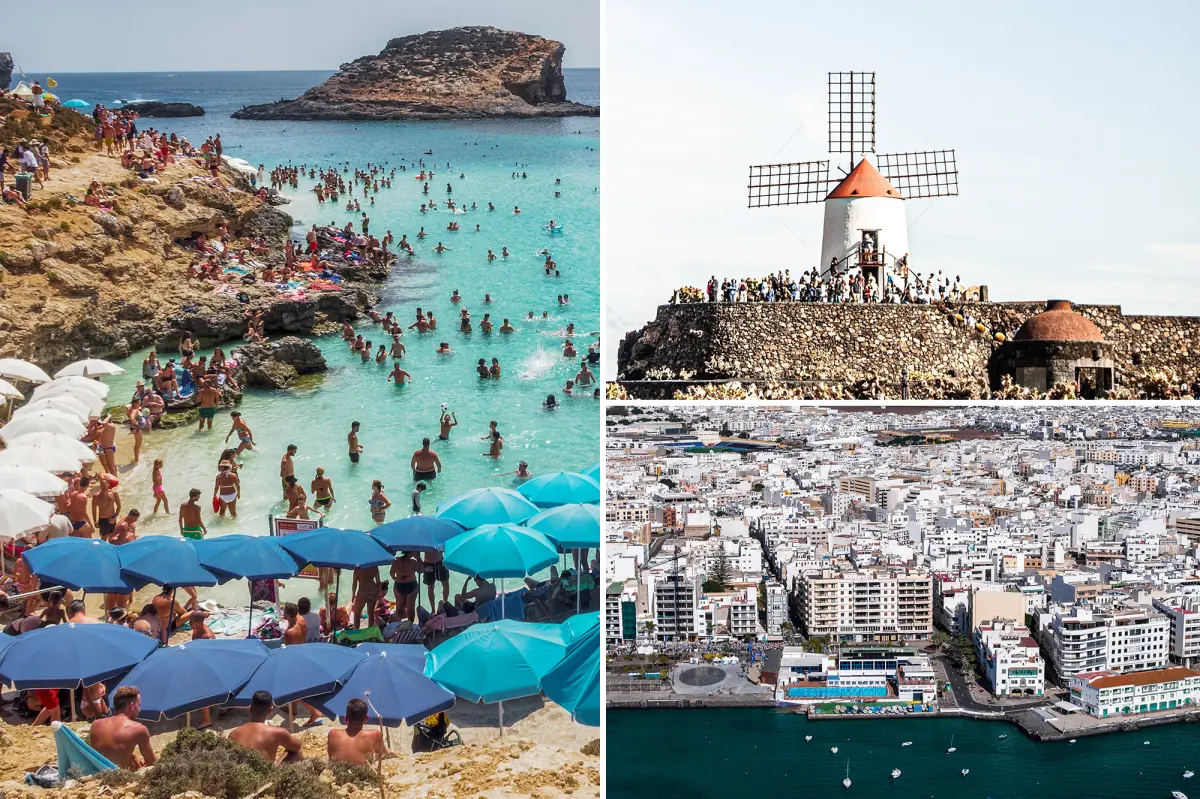
Imagine stepping onto a sun-drenched island in the heart of the Mediterranean, expecting a tranquil paradise, only to find yourself shoulder-to-shoulder with thousands of other travelers shuffling down narrow, historic streets. This is the reality facing Malta, an incredibly tiny but highly sought-after archipelago that has officially earned the title of Europe’s most overcrowded island destination for 2026. A recent study by wellness getaway platform BookRetreats, which analyzed European Commission tourism density data, reveals that Malta’s popularity is soaring to unprecedented heights. However, this massive influx of visitors is placing such immense strain on the island’s infrastructure that experts are raising urgent alarms about an impending ecological and social collapse.
To put Malta’s situation into perspective, the entire country spans a mere 316 square kilometers—small enough to easily fit inside New York City nearly three times. Yet, despite its miniature footprint, the island manages to cram in an astonishing 38,000 overnight stays per square kilometer. This level of tourist density has left residents feeling overwhelmed and frustrated, spark-landing viral social media campaigns like “Overtouristed Malta,” which documents the daily struggles of locals navigating gridlocked pedestrian paths and sweltering summer crowds. Popular natural sanctuaries like the famous Blue Lagoon on the neighboring islet of Comino have historically seen up to 12,000 daily visitors, forcing authorities to step in and implement strict caps of 4,000 arrivals per day alongside mandatory booking systems to protect the fragile coastal ecosystem from total ruin.
Despite these warning signs, a troubling disconnect remains between local communities and policy makers. While residents beg for relief from the “hellish” summer congestion and a seemingly limitless flow of visitors, the Maltese government is actively pushing to expand annual arrivals to a staggering 4.5 million by the year 2034. Many fear that in chasing these ambitious economic targets, the island risks permanently destroying the unique cultural charm, historical authenticity, and natural beauty that made it a global hotspot in the first place. This conflict raises a crucial, existential question that many travel hubs must now face: can a destination continue to aggressively chase tourism growth without completely sacrificing its soul and viability for those who call it home?
Malta is far from alone in this struggle, as islands across Europe find themselves victims of their own success. Taking the second spot on the list of overcrowded escapes is Lanzarote, the volcanic jewel of Spain’s Canary Islands. Revered for its dramatic landscapes, black-sand beaches, and perfect year-round climate, Lanzarote now sees over 21,600 overnight stays per square kilometer. While tourism fuels a vital 35% of the Canary Islands’ gross domestic product, the everyday locals are paying a heavy price. Native residents are actively protesting, arguing that the severe environmental degradation and skyrocketing cost of living are stripping away their quality of life, leading to passionate pleas for stricter caps on newcomers and a crackdown on unregulated holiday rentals.
Similarly, the legendary Balearic parties and pristine beaches of Ibiza and Formentera have landed them at number three on the list. After playing host to an overwhelming 3.7 million holidaymakers in 2024, these iconic islands have hit a breaking point. The massive influx of travelers has triggered severe housing shortages, priced locals out of their neighborhoods, choked narrow island roads with traffic, and overwhelmed public waste systems. In an attempt to reclaim their communities, local officials recently passed aggressive “Tourism Containment Measures,” which include outright bans on new short-term rental permits in apartment buildings and heavy penalties for unlicensed holiday hosts, signaling a desperate effort to restore balance.
Ultimately, these crowded hotspots represent a much larger, continent-wide shift in the travel landscape. From Greece’s idyllic Corfu and Zakynthos to Portugal’s Madeira and the famous Spanish island of Mallorca, Europe’s most beautiful coastal escapes are buckling under the weight of global wanderlust. As international travelers, the congested state of these destinations serves as a powerful reminder that our holiday choices have real-world consequences. Traveling more mindfully, exploring lesser-known destinations, and respecting the carrying capacity of vulnerable local communities are no longer just trends—they are necessary steps if we hope to preserve these precious island paradises for generations to come.