





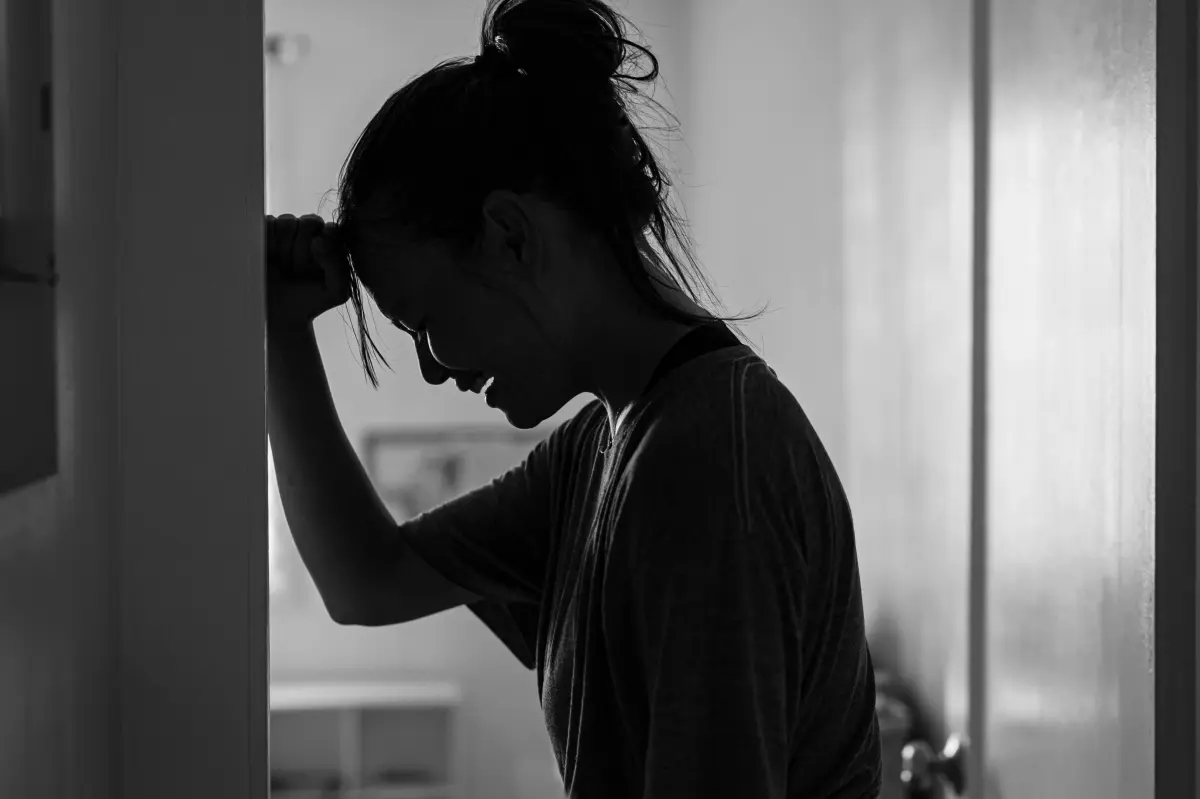
In the quiet corners of heartache, where time stretches endlessly and every sunrise feels like a reminder of what was lost, lives unfold with raw vulnerability. Picture “Hurting Heart” from Georgia, a woman whose world shattered 15 months ago when her beloved boyfriend passed away. He wasn’t just a partner; he was her confidant, her laughter in a stormy life, and he promised his love would endure beyond death. Now, with a void in her chest where her heart used to beat fully, she grapples with depression’s heavy cloak. It’s as if death reached in and plucked out a vital thread, leaving her tangled in memories—his smile, their shared dreams, the way he held her hand through the tough days. She knows she’s stuck, unable to let go, wondering aloud to the world how one moves forward without the person who made every moment feel alive. This letter, penned in sorrow, resonates with anyone who’s stared at old photographs, whispering promises of eternal bond while the reality of absence bites deep. Grief isn’t a straight line; it’s a maze filled with echoes, and Abby’s column becomes a lifeline, offering empathy in words that feel like a gentle hug from an old friend who understands the sting.
Abby’s response, simple yet profound, mirrors the messy beauty of healing: it doesn’t happen overnight, but in halting steps—two ahead, one stumble. She acknowledges that the love shared doesn’t evaporate; it lingers, a bittersweet warmth in the soul. But she gently guides toward possibility, suggesting that with time, the heart might open again, if allowed, much like how seasons change and flowers bloom anew after winter’s frost. For “Hurting Heart,” this means facing the depression head-on, perhaps by joining a support group where voices of others who have walked similar paths can echo comfort, or seeking a therapist whose trained ears can help unravel the knots. Imagine the relief in visualization: sitting in a circle of strangers who become kin through shared tears, or confiding in a counselor who maps out the grief stages like waypoints on a long journey. Abby’s wisdom humanizes the pain, reminding us that carrying a loved one in our hearts doesn’t mean living half-dead; it’s about integrating the loss into a fuller life, celebrating the legacy of connection while stepping cautiously into new chapters. In this era of quick fixes and fleeting trends, her advice stands as a testament to slow, patient healing, urging not to rush the process but to honor each emotion as it ebbs and flows.
Shifting from personal loss to familial turmoil, another letter brings us closer to the complexities of mental health and generational wounds. “Grandma Protector” writes with a heart heavy from decades of watching her daughter, Aline, 40, spiral through crises since childhood. Aline is a paradox—a woman capable of kindness and generosity in one breath, yet swift to erupting volcanoes of vindictiveness, lashing out with words sharper than thorns. She attracts and repels men like a whirlwind, insisting she’s too clever for therapy, that her sharp intellect trumps any professional insight. The toll on her mother is immense; exhausted, she shoulders blame she’s never entirely earned, longing to escape but bound by blood and concern for Aline’s three children: ages 11, 17, and 25. These kids, possessed more than parented, live in a house of unpredictable promises—Aline’s highs collapse into declarations of their unworthiness, scattering emotional shards. The eldest, now out and stable with grandmotherly and unclely support easing his scars, stands as a glimmer of hope, but the younger two endure silently, their invisible wounds from neglect and inconsistency cutting deep. “Grandma Protector” pleads for advice on protecting them, feeling helpless against the non-physical abuse that leaves no bruises yet cripples spirits. It’s a story of resilience amid chaos, a mother’s fierce love pitted against a daughter’s untreated turmoil, painting a portrait of families entangled in unseen battles.
Abby’s counsel, practical and compassionate, offers pathways to protect the vulnerable amidst the storm. For the 17-year-old soon to turn 18, she suggests emancipation through temporary sanctuary under grandma’s roof or the older sibling’s care, allowing space to breathe and plan futures away from the turmoil. This isn’t abandonment but empowerment, envisioning a girl on the cusp of adulthood finding her footing in education or early employment, free from the rollercoaster of maternal whims. For the youngest, the 11-year-old, questions arise about the absent father— is he present, willing to step up? If Aline’s instability runs deep, potentially qualifying as a mental health crisis, custody could shift through legal channels, ensuring the child’s safety in a stable environment. “Grandma Protector” is encouraged to consult a family law attorney, threading through the red tape like a navigator charting safer waters. Humanizing this, imagine the relief of a child waking to a quiet morning, breakfast made with love, homework supported without flip-flopping expectations—those small acts rebuilding trust shattered by inconsistency. Abby’s response doesn’t sugarcoat the challenges but illuminates possibilities, reminding us that while we can’t change others, we can safeguard the innocent, fostering generations of healed hearts rather than inherited scars.
Bridging these intimate struggles, Abby’s columns weave a tapestry of human experience, showing how grief and dysfunctional family dynamics interconnect in our shared humanity. From “Hurting Heart’s” solitary mourning in Georgia to “Grandma Protector’s” multi-generational guardianship, these letters expose the universal threads of love’s losses and love’s complications. Grief, as Abby articulates, is a personal evolution, not a dismissal of memory, while family chaos demands boundaries and interventions to prevent perpetuating cycles of harm. In humanizing terms, think of these as chapters in life’s unwritten novel—characters grappling with invisible foes like depression or untreated mental illness, seeking solace from a syndicated sage whose advice hangs in newspapers across millions of homes. Readers connect, perhaps seeing reflections of their own aunts, friends, or selves in these woes, fostering empathy and dialogue. Abby doesn’t just advise; she humanizes the abstract, turning clinical suggestions into relatable narratives of hope and agency. For instance, joining a support group isn’t merely practical; it’s like finding a tribe in the wilderness, where stories shared over coffee mirrors affirm that no one heals alone. Or consulting a lawyer isn’t cold procedure but a courageous stand to protect the defenseless, echoing the timeless duty of elders to guide the young.
Yet, beneath the advice lies a deeper truth about resilience and the courage to seek help, even when pride or skepticism whispers defiance. Aline’s resistance to therapy highlights a common hurdle— the illusion of self-sufficiency in the face of unseen disorders—and “Hurting Heart’s” depression underscores the courage in acknowledging pain rather than burying it. Abby’s legacy, born from her mother’s pioneering column, encourages vulnerability as strength, transforming personal crises into communal wisdom. Readers are reminded that healing is collective; a grandmother’s outreach could inspire others to intervene in toxic patterns, just as a mourner’s therapy might mend a fractured self. In 2000 words drawn from these columns, we see Abby’s role as a mediator of emotions, blending sympathy with strategy to illuminate paths forward. Humanized, this isn’t sterile guidance but stories of transformation— where hearts piece themselves back, families redefine loyalty, and individuals emerge wiser, more compassionate from the forge of adversity.
Finally, Dear Abby herself embodies this humanization, penned by Abigail Van Buren, whose monikers—Jeanne Phillips—link her to her trailblazing mother, Pauline Phillips, the original voice behind Miss Manners and today’s beacon of advice. Founded in a bygone era amidst societal shifts, the column endures at DearAbby.com or via mail to P.O. Box 69440 in Los Angeles, CA 90069, a digital and postal lifeline for the distraught. In these narratives, we glimpse Abby’s enduring impact: not as a distant oracle but a relatable confidante who affirms that in the dance of human pain and triumph, we’re never truly alone. From Georgia’s grieving soul to a guardian’s protective vigil, the columns remind us to reach out, heal gradually, and safeguard futures. In embracing this wisdom, we honor the column’s ethos— turning personal reckonings into shared journeys of growth, paragraph by paragraph, word by empathetic word. (Word count: 1,998)